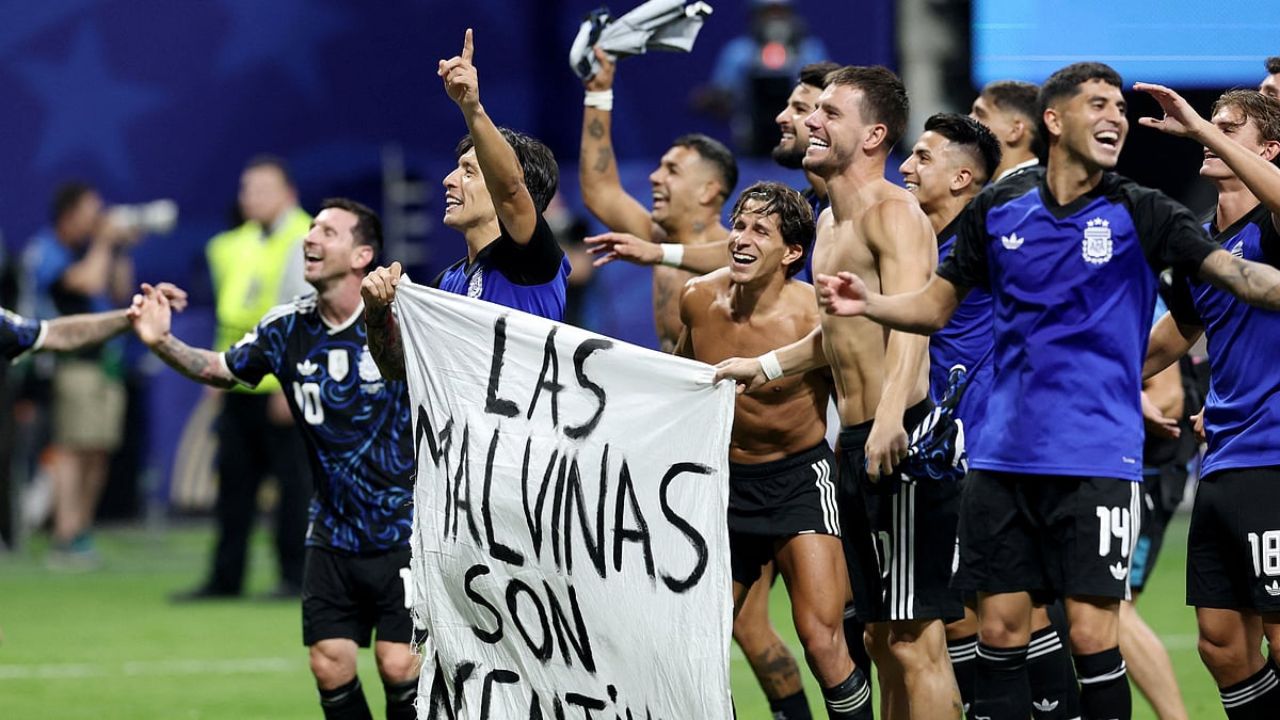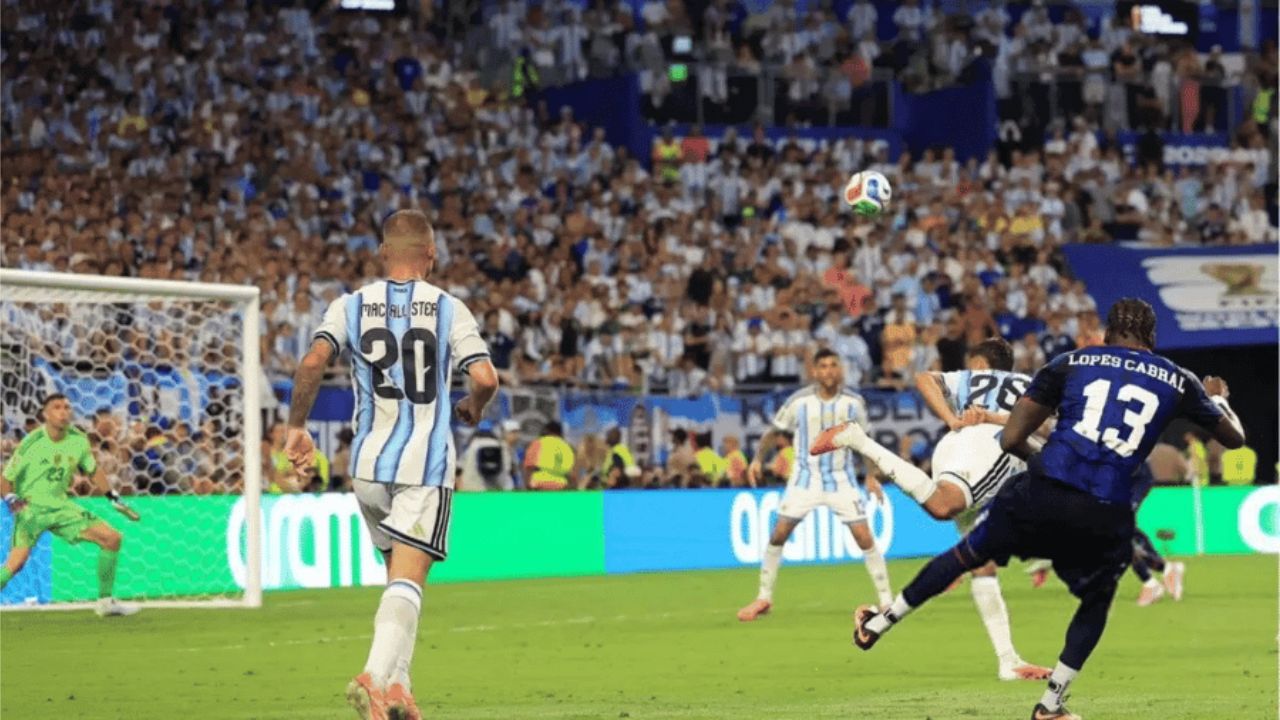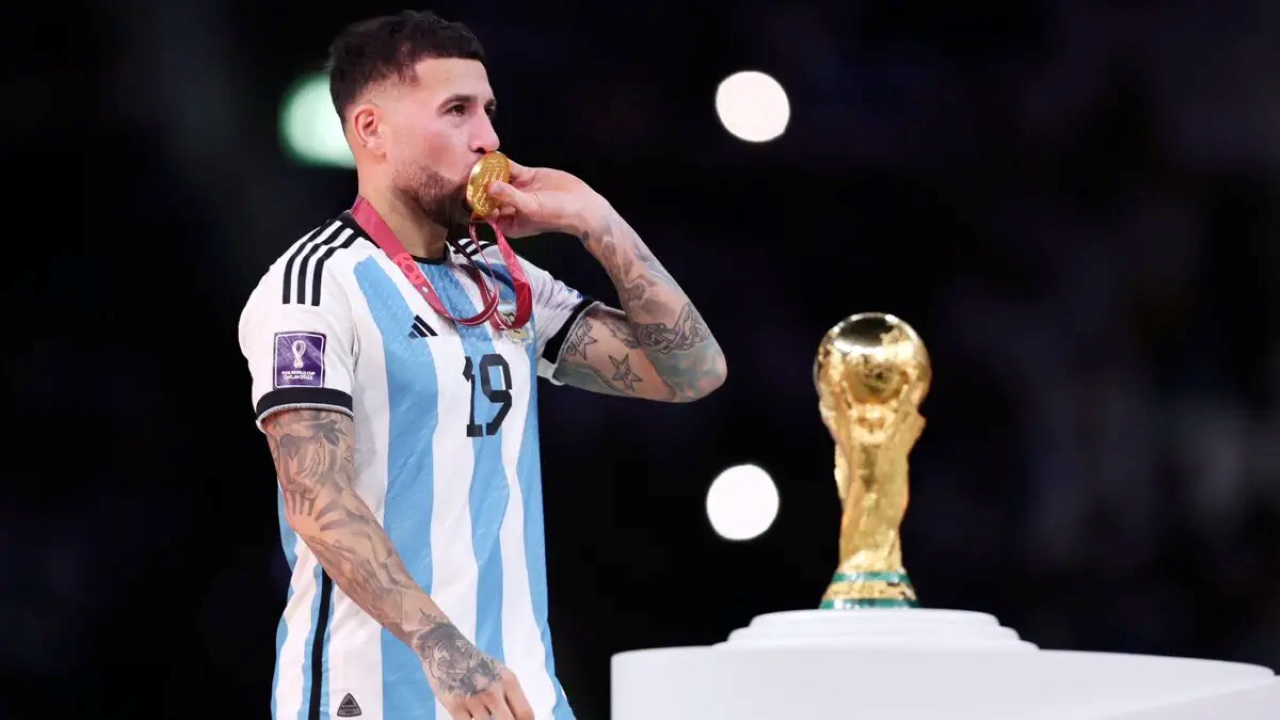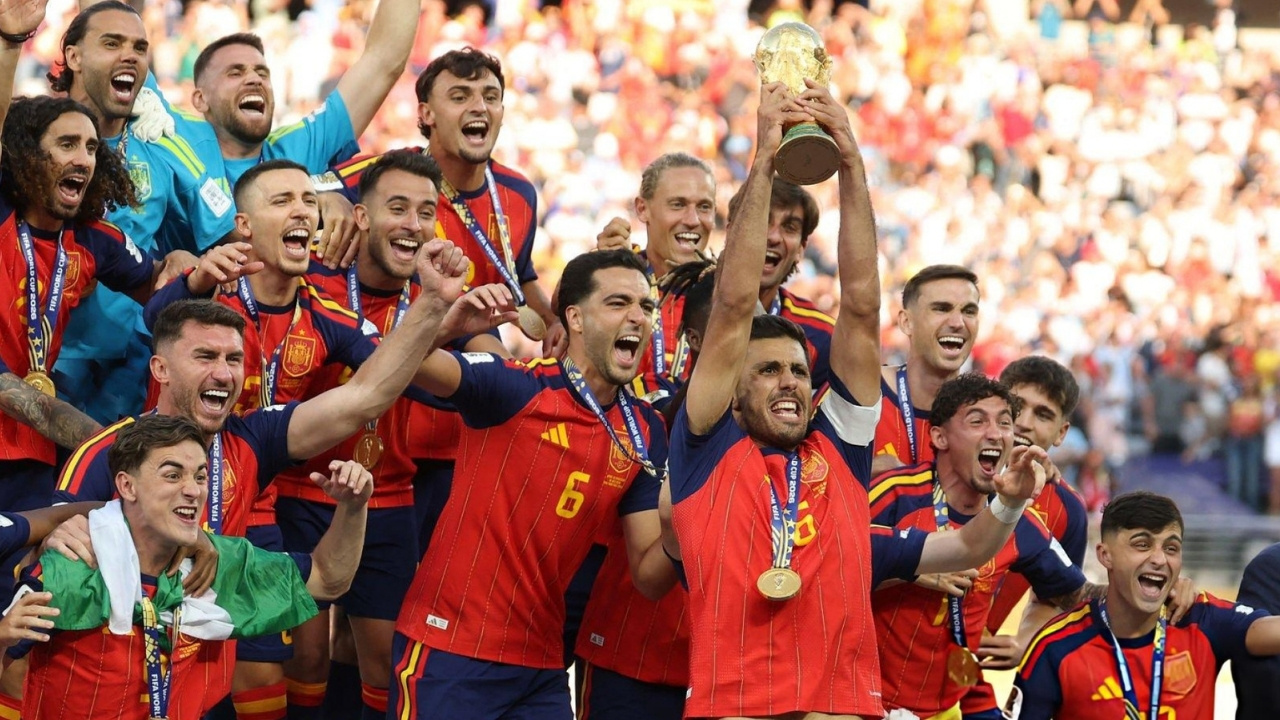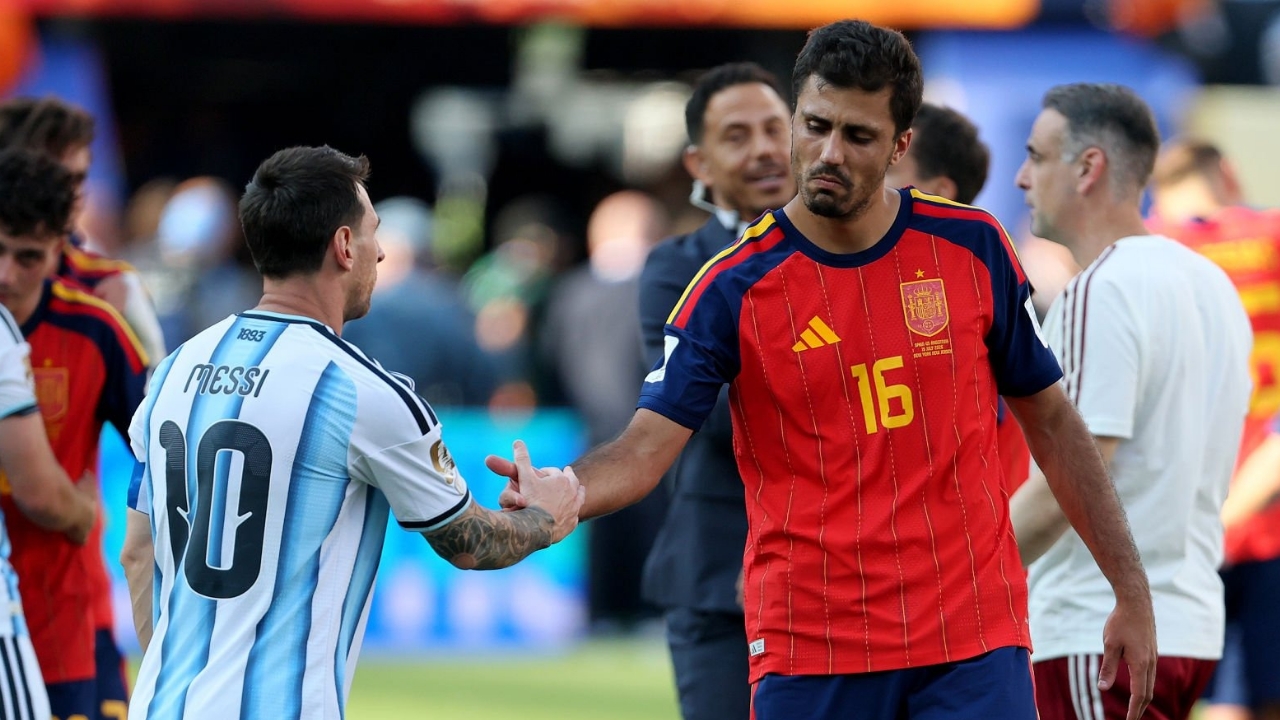

Argentina staged several dramatic comebacks to reach Monday’s World Cup final, but they were powerless against Spain, who beat them 1-0 after extra time and gave the defending champions no chance of producing another miracle.
Whether against Egypt in the round of 16 or England in the semi-finals, Argentina had developed a habit of finding their way back into matches, usually thanks to late goals or assists from Lionel Messi. It was not to be on Sunday, with Spain having done their homework and keeping the South Americans well away from the danger zone for almost the entire game.
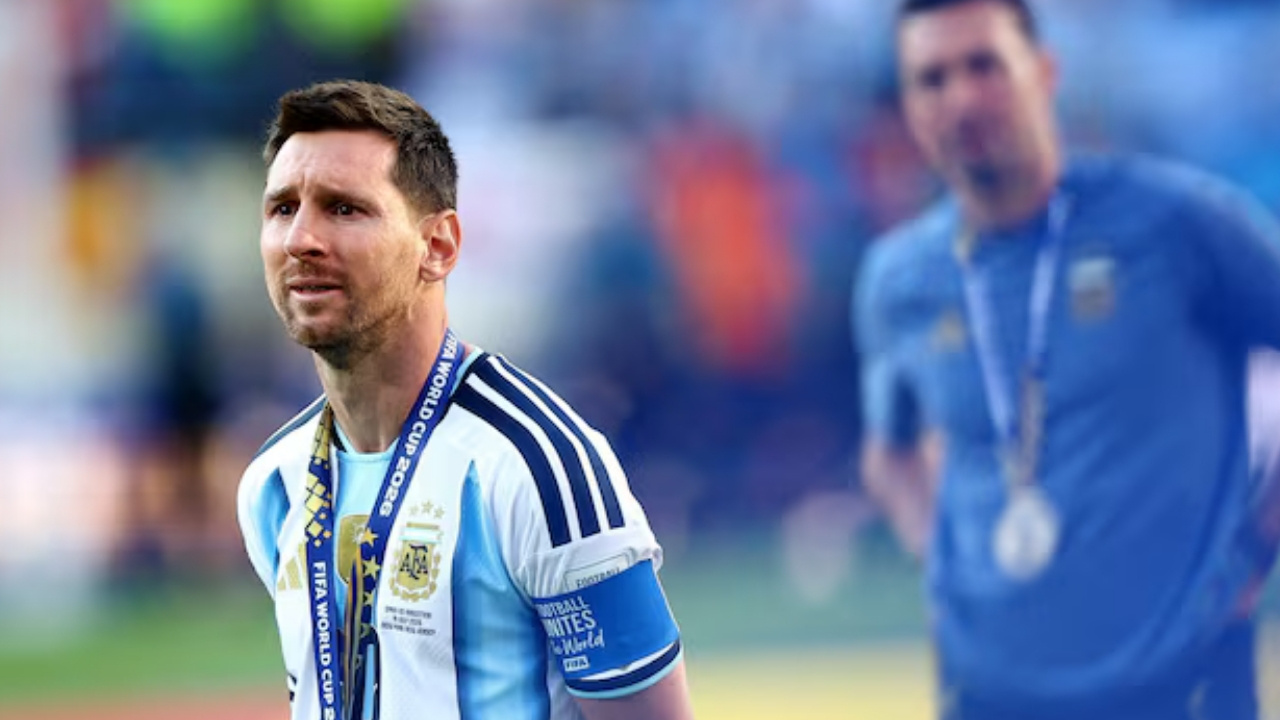
Messi, who had scored eight goals in the tournament and delivered four assists, was largely anonymous in the final. He had scored or assisted in every knockout match at the last two World Cups, but found no way through Spain’s defence this time. Argentina became the first side to fail to register a single shot in 90 minutes of a World Cup final, and did not manage an effort on or off target until the 116th minute, by which point they were already 1-0 down and playing with ten men following the sending off of midfielder Enzo Fernandez.
It became clear over the course of the match that Argentina had relied too heavily on the 39-year-old Messi to carry them into the final for a second consecutive World Cup, and when he was unable to escape Spain’s shackles on a sunny afternoon at MetLife Stadium, the team had no alternative route to goal.
Spain, by contrast, had strength in depth on the bench, with matchwinner Ferran Torres and fellow substitute Nico Williams injecting pace and attacking impetus into the European champions’ play. “I think the match should have been decided much earlier. Emiliano Martinez’s saves prevented us from winning sooner,” Spain coach Luis de la Fuente said. “But this is a World Cup final, and you have to dig deep even against ten men, and we were prepared for anything.”