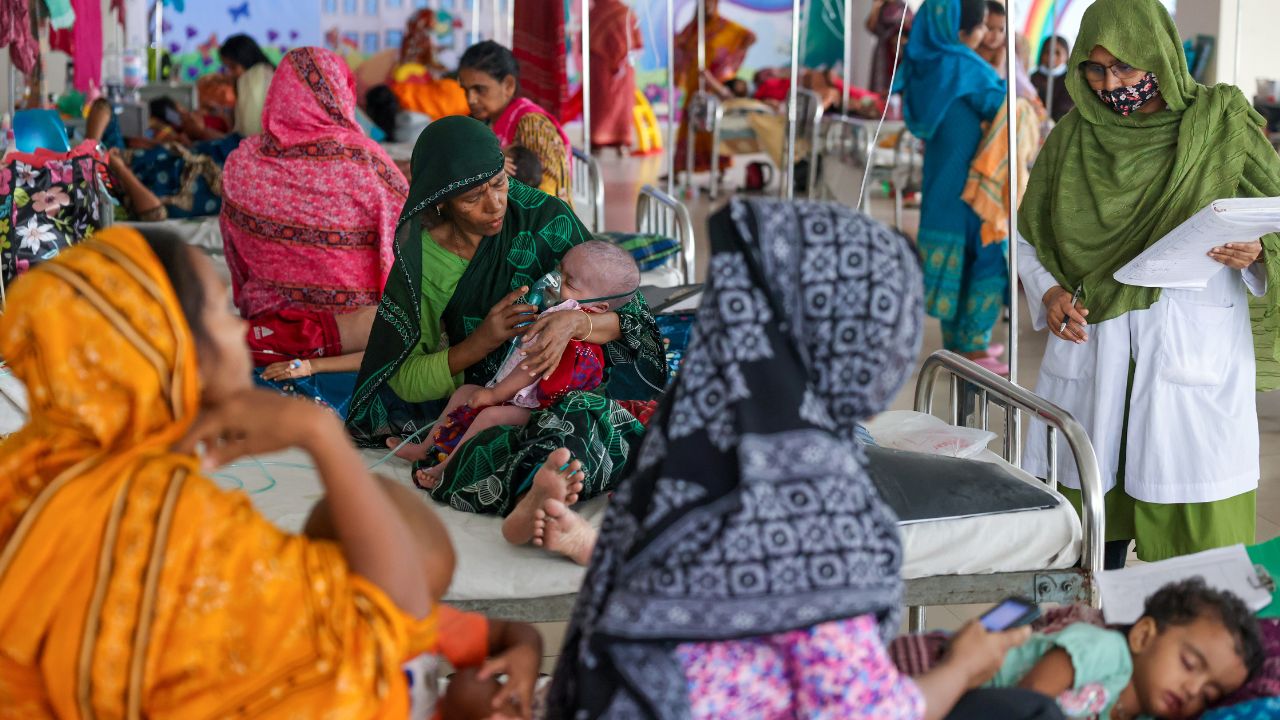
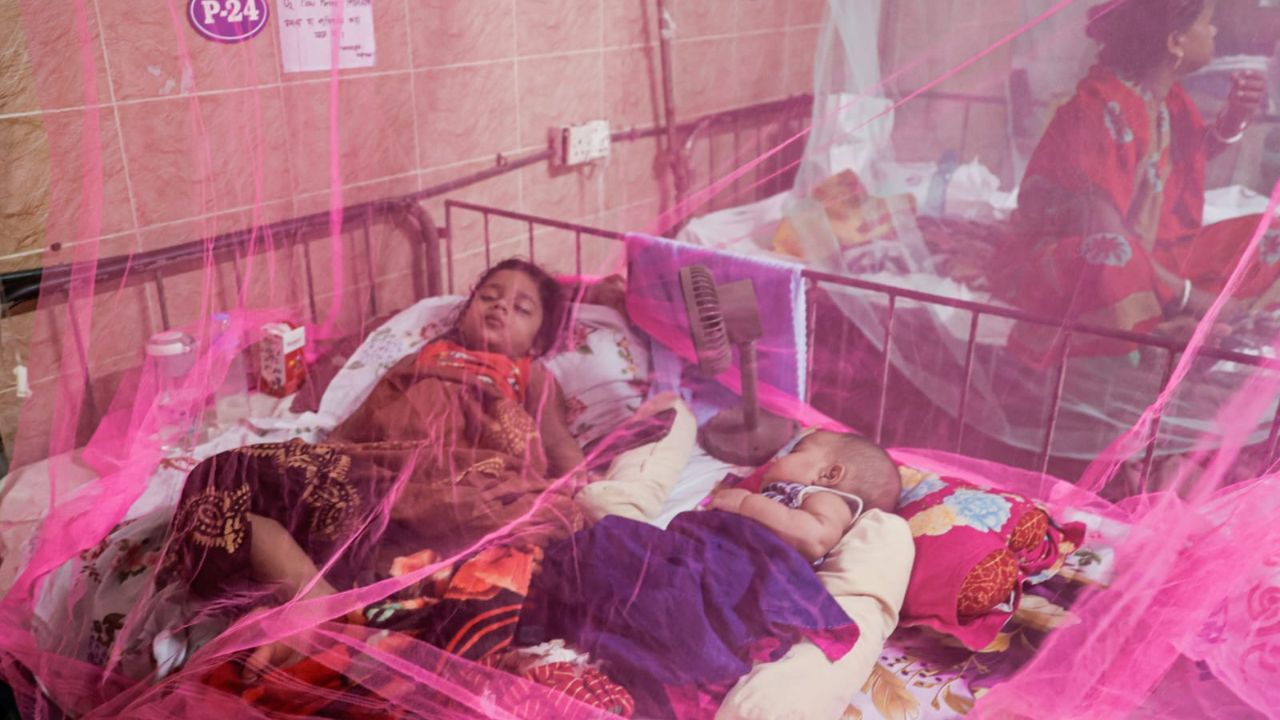
In Betbaria village, Khulna’s Meherpur district, Imarul Islam found himself bedridden, his hands wrapped in gauze.
“A goat in our village was sick. We slaughtered it, and I helped with the meat. Soon, my hands started burning,” he recalled, describing the onset of his ordeal.
Doctors later confirmed that the blisters developing on his skin were caused by cutaneous anthrax, a bacterial infection typically transmitted through contact with infected livestock.
Imarul’s case is not isolated. This year, Meherpur has reported 464 anthrax cases, with 97% concentrated in Gangni upazila. Other districts across the country are also witnessing similar outbreaks, raising alarm, particularly among livestock farmers.
Experts highlight that many farmers, eager to avoid financial loss, hastily sell sick animals, a practice that has become more prevalent, particularly before Eid-ul-Adha.
Agricultural economist Professor Jahangir Alam Khan underscored the potential economic fallout. “If the outbreak spreads widely and affects Eid-ul-Adha, it could severely disrupt supply chains and lead to significant losses for producers unable to sell their livestock properly,” he warned.

The panic surrounding anthrax has already begun to impact local markets. “We’re scared to buy or eat meat now, fearing it could expose us to anthrax,” said Md Fayaz Ali, a university student from Rangpur.
In the 2022-23 fiscal year, Bangladesh produced about 8.71 million tonnes of meat. In 2024, the sacrificial animal market saw transactions worth around Tk 69,141.12 crore, mostly benefiting the rural economy.
Northern regions like Rajshahi and Rangpur, known for livestock rearing and cattle fattening, are major suppliers of sacrificial animals and contribute significantly to the country’s meat production.


Infection spreads across northern districts
Beyond Meherpur, the Rangpur division is also grappling with a severe anthrax outbreak. Pirgachha, Kaunia, and Mithapukur in Rangpur district, as well as Sundarganj in neighbouring Gaibandha, have reported between 50 and 200 suspected human cases, with at least 25 confirmed infections.
In Sundarganj, a particularly alarming incident occurred when 11 people showed symptoms after handling meat from a single infected cow.
Adding to the concern, three suspected anthrax-related deaths were reported in Rangpur and Gaibandha between late August and mid-October.
However, the Institute of Epidemiology, Disease Control, and Research (IEDCR) was unable to confirm the cause of death due to the absence of live samples for testing.
The outbreak follows a wave of livestock deaths linked to Bacillus anthracis. Authorities have identified the improper disposal of infected carcasses as the primary source of environmental contamination, which is directly contributing to the human infections.
Dr Mushtaq Ahmed, a public health expert and adviser at icddr,b, stressed the need for a protective measure for farmers, telling TIMES of Bangladesh, “There is a need for a government compensation scheme to discourage the practice of selling sick animals.”
Locals have directed blame toward the lack of preparedness of livestock and health departments for the rapid spread.
Dr Mushtaq highlighted a key challenge in mounting an effective response, pointing out that despite having capable institutions, “there is a significant shortage of field-level personnel to respond effectively.”
The Livestock Department acknowledged resource constraints. Gangni Upazila Livestock Officer Dr Mottaleb Ali confirmed the struggle, stating, “We only received 30,000 anthrax vaccines, of which 20,000 have been administered.”
He stressed that the dual challenges of a lack of manpower and insufficient vaccine supply at the upazila level are severely hindering eradication efforts.
To combat the crisis, the Department of Livestock Services has launched vaccination drives, awareness campaigns, and monitoring in high-risk districts. Operating under the ‘One Health’ approach, they are collaborating with health authorities to promote safe livestock practices.
Approximately two million vaccines are now being allocated to the worst-hit areas, and a high-level team is investigating the source of the outbreak.