






For pedestrians in Dhaka, crossing a busy road often feels less like following traffic rules and more like taking a calculated risk. Over the years, authorities have introduced several technology-based initiatives to improve road safety, but many have followed a familiar pattern: a promising launch, followed by neglect and eventual failure.
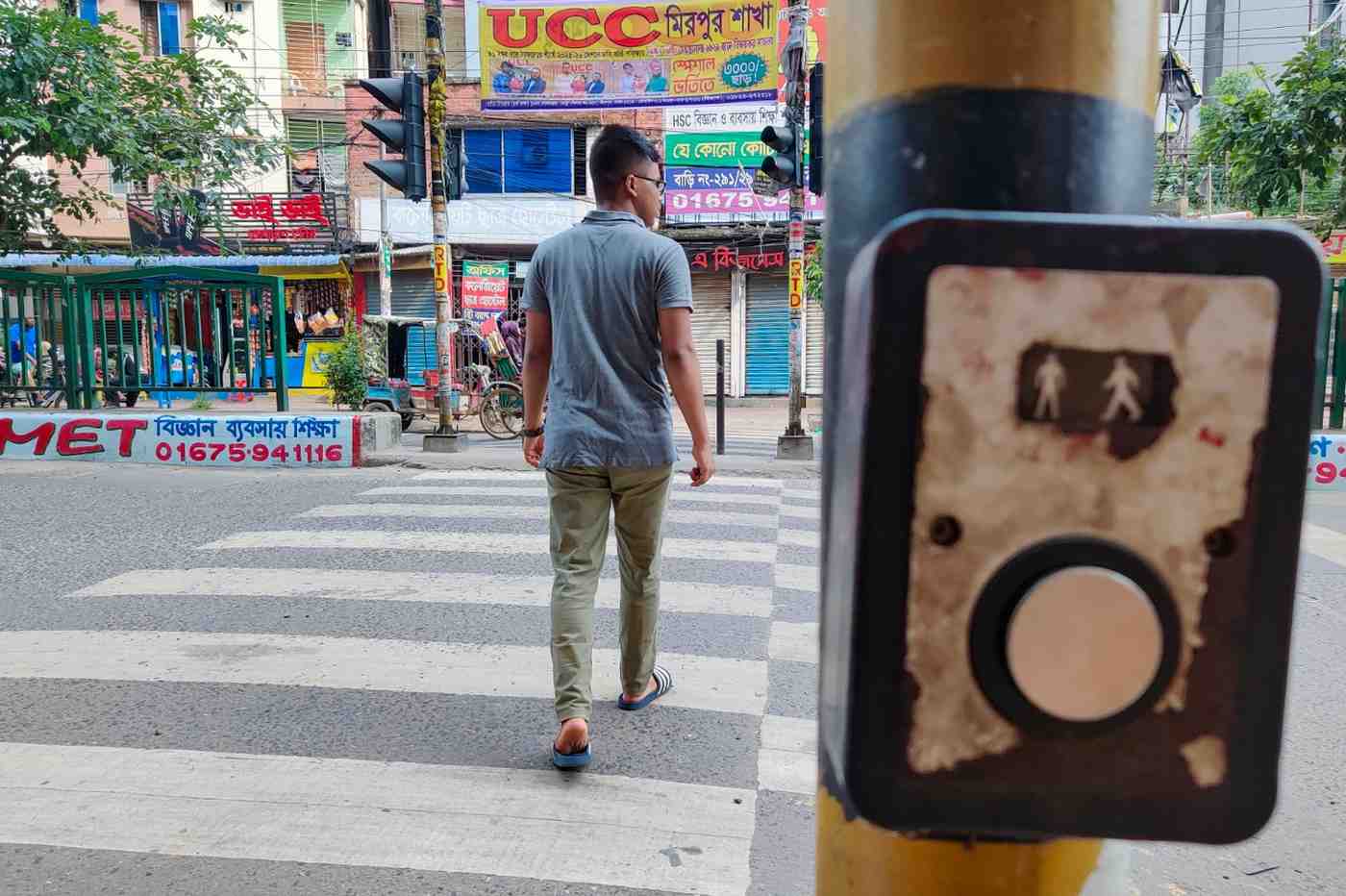
The latest example is in Mirpur. On April 20, 2025, authorities introduced a push-button pedestrian crossing system at two locations: in front of the National Heart Foundation Hospital and Mirpur University College.
The initiative was launched under the Dhaka Road Traffic Safety Project (DRTSP) with support from Dhaka Metropolitan Police (DMP) and Dhaka North City Corporation (DNCC).
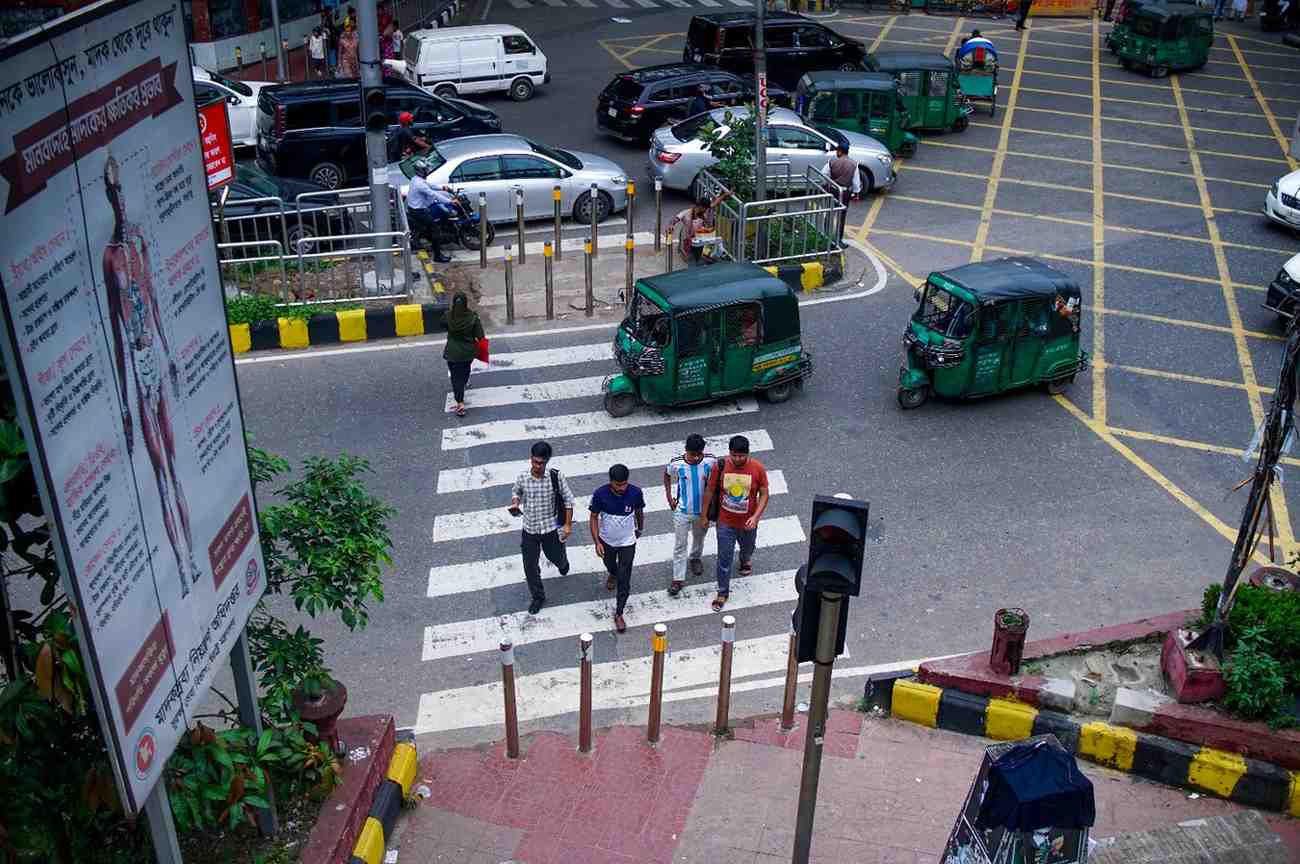
The system was designed to make road crossings safer and more organised. Pedestrians could press a button beside a zebra crossing, triggering a green signal for pedestrians and a red signal for vehicles. After a set period, the signals would switch back, allowing traffic to resume.

At the inauguration, former DMP Additional Commissioner (Traffic) Md Sarwar described the project as an important step towards improving pedestrian safety. Authorities also expressed hope that, if successful, similar crossings could be installed at major intersections across the capital under a JICA-funded programme.
Those expectations, however, have not materialised. A recent visit to both locations found the systems no longer functioning. Although some of the infrastructure remains, the crossings are effectively inactive. Pedestrians were seen crossing whenever traffic gaps appeared, while vehicles continued moving according to traffic police directions and normal traffic flow.




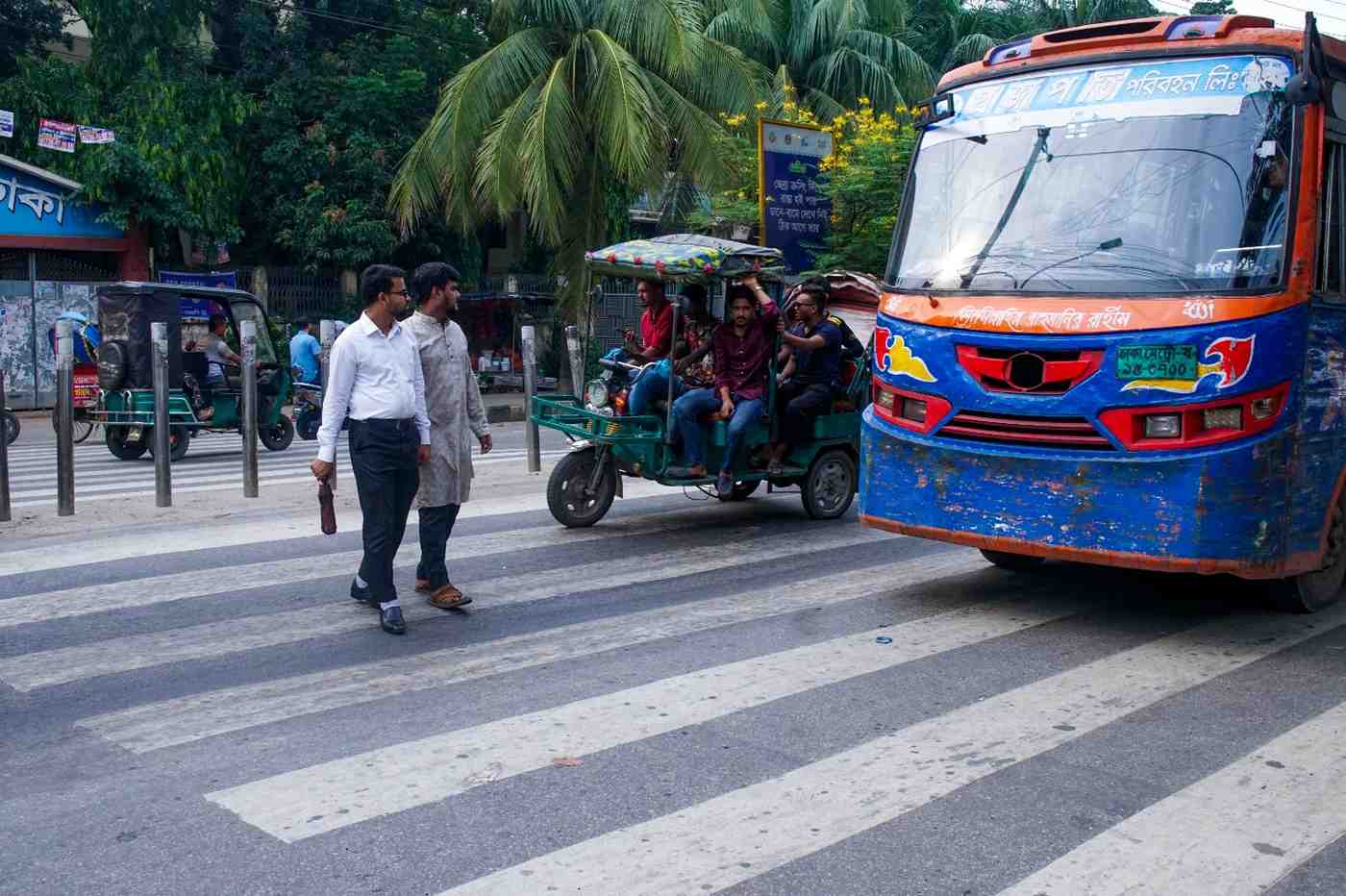
The crossings that were meant to represent a smarter and safer future now stand largely ignored. More concerning is the absence of a clear explanation for their failure.
Officials from DMP’s Mirpur Traffic Division were unable to provide a definite reason for why the system stopped operating. Speaking to Times of Bangladesh on condition of anonymity, a senior official said the crossings had been inactive for months.
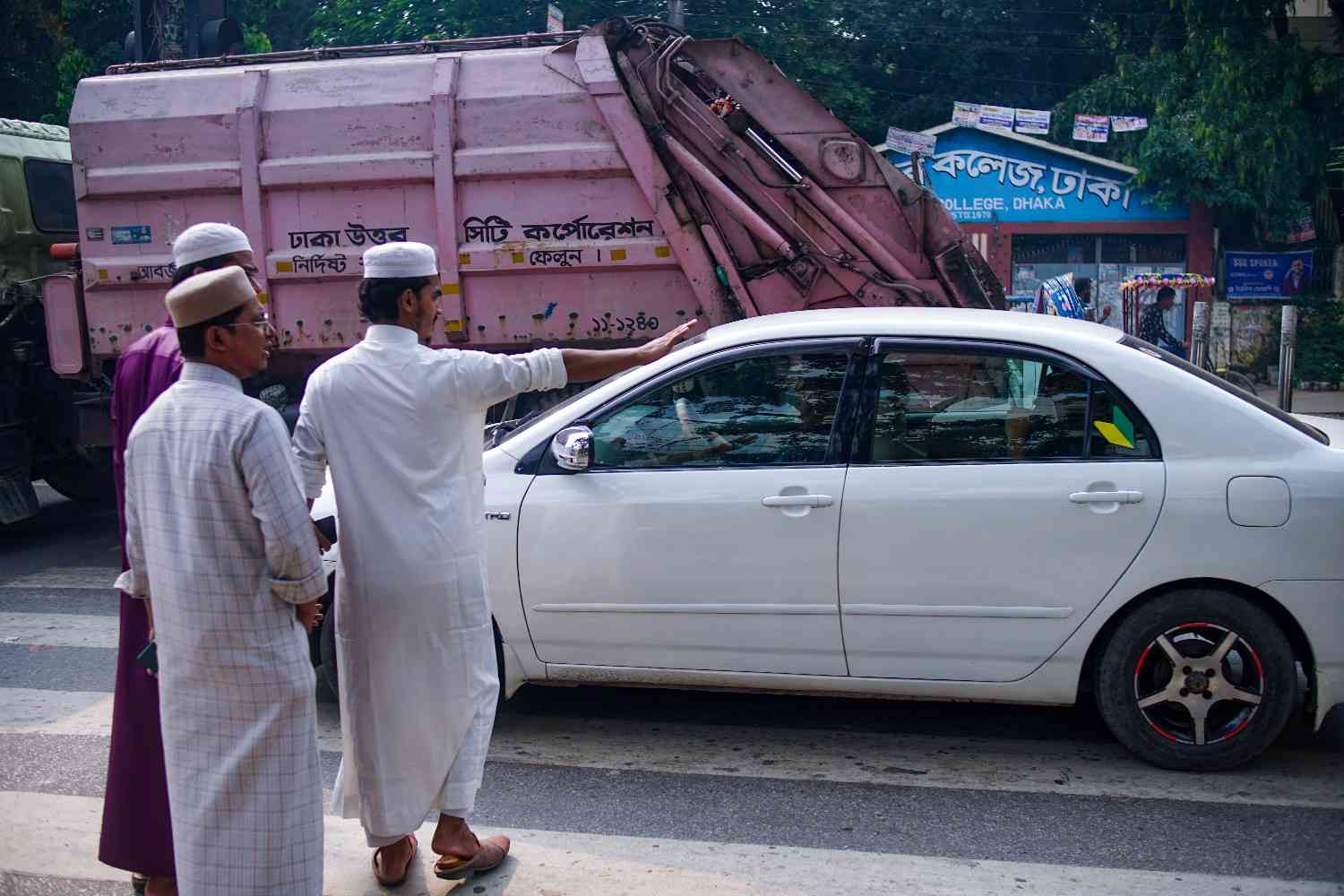
“The push-button signal system had been inactive even before August 5. We informed the project authorities several times but received no response,” the official said.
According to the official, authorities are now focusing on introducing an AI-based traffic signal system rather than restoring the pedestrian crossings. “As work is underway to integrate the AI camera system, there is little opportunity to focus on this issue right now,” he added.
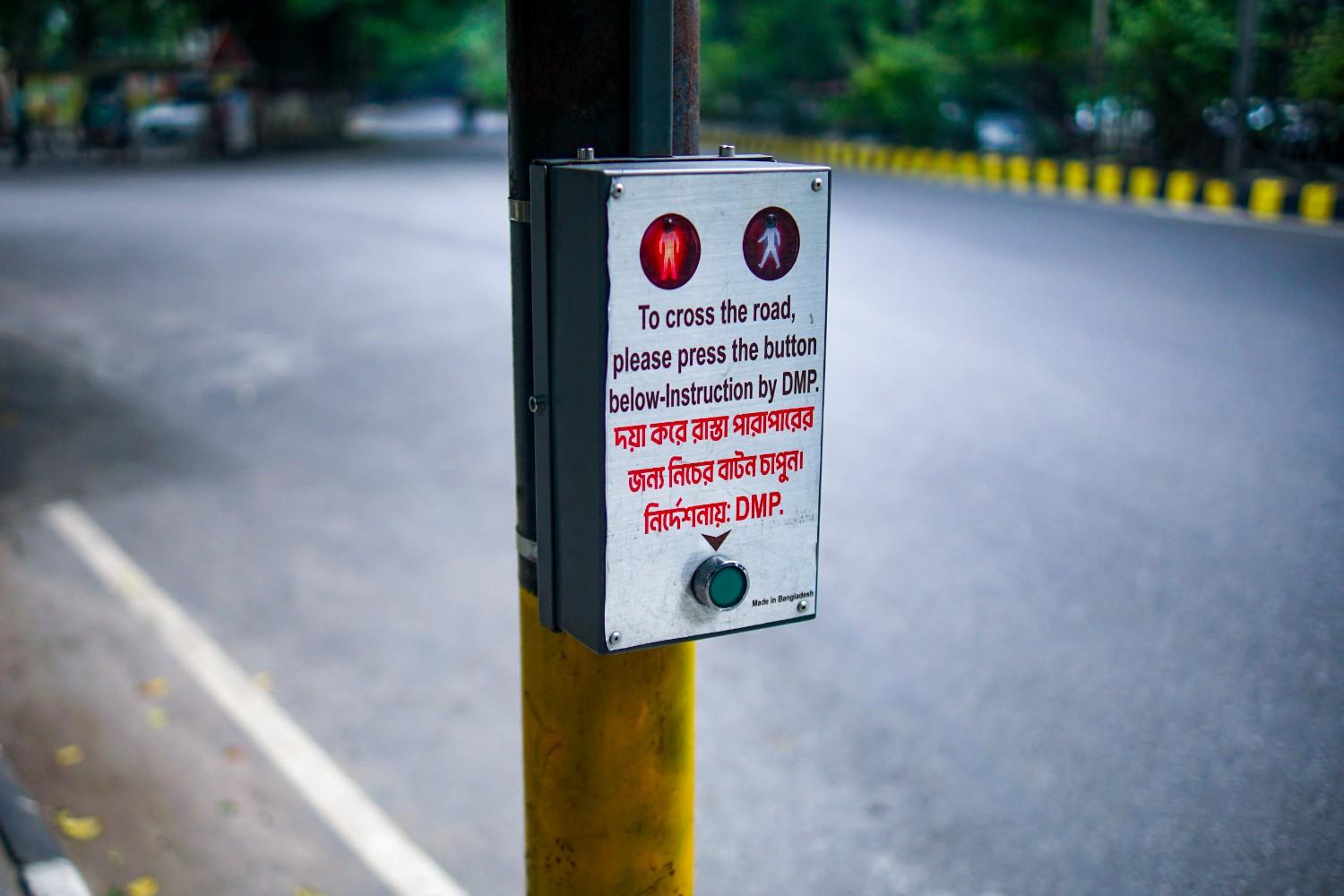
DNCC was also unable to provide a clear explanation. The Mirpur project is not an isolated case. Similar push-button traffic signals introduced at several intersections in 2019 also fell out of use after a short period.
The abandoned crossings highlight a broader problem in urban management: projects are often launched with considerable publicity but receive inadequate maintenance, monitoring and institutional commitment once the initial attention fades.
The failed crossings in Mirpur serve as a reminder that technology alone cannot improve road safety. Without long-term planning, accountability and coordination among agencies, even the most promising innovations risk becoming little more than roadside monuments to unfulfilled promises.







