



The world waited. And then, on a brilliant Thursday morning in Mexico City, it stopped waiting.
Everything that came before the protests, the politics, the noise, the doubt receded into the background the moment those opening notes rang out across the Estadio Azteca.
That is the remarkable, almost mystical power of this tournament. It arrives like a tide, and whatever stood in its way simply gets swept aside. The world does not just watch the World Cup. The world becomes the World Cup.
The world is watching
Right now, in living rooms and cafés, in Lagos and Lahore, in Buenos Aires and Bangkok, billions of people are doing the same thing: eyes fixed on a screen, hearts fixed on a game. For the next six weeks, time zones will be ignored, sleep will be sacrificed, and office productivity will quietly collapse. That is not a complaint. That is a love letter.
The FIFA World Cup 2026 is the biggest edition in history: 48 teams, three host nations, and a stage that stretches from the mountains of Mexico to the skyscrapers of Toronto to the sun-drenched boulevards of Los Angeles. It began the only way it could: with a ceremony that made the planet feel small and the moment feel enormous.

A ceremony worth the wait
Ninety minutes before Mexico faced South Africa in the opening match, Mexico City’s stadium was transformed into something more than a football ground. It became a stage for the world.
The opening ceremony was built around a stunning visual concept: the FIFA World Cup Trophy reimagined through the art of papel picado, the cut-paper craft that has decorated Mexican festivals for generations. Bright, delicate, and full of meaning, it was the perfect symbol for what this tournament aspires to be: tradition meeting joy, craftsmanship meeting spectacle.
And then came the music. Shakira ignited the crowd. J Balvin brought the energy of a generation that grew up with reggaeton and football intertwined. Mana gave Mexico its rock soul. Alejandro Fernandez carried the weight of mariachi tradition with effortless grace. Burna Boy connected continents in a single beat. Tyla brought South Africa’s sound to meet South Africa’s football team on the same day.
After all the hurdles
The road to this moment was not smooth. Mexico City arrived at its World Cup opener carrying weight. Teachers’ unions camped in protest. Missing people’s families hung photographs across buildings. Guadalajara, one of the three Mexican host cities, had been shaken by cartel violence only months earlier.
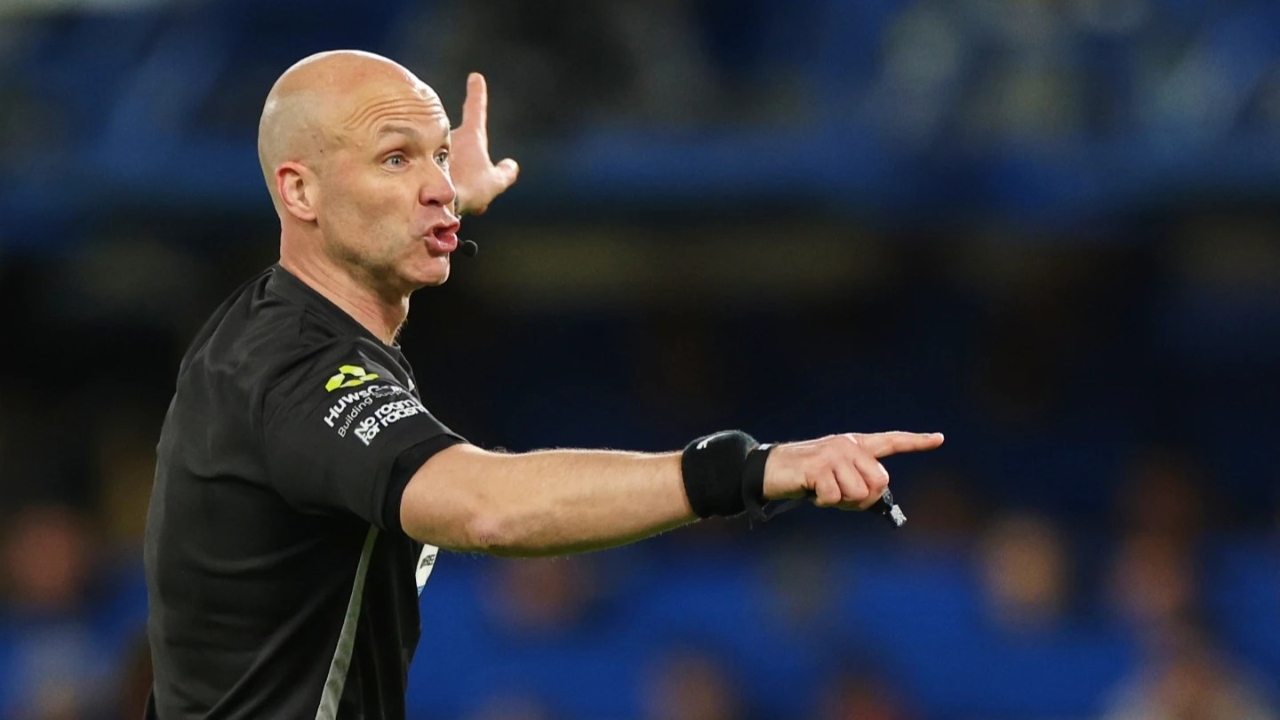
The complications did not end there. On the eve of the opener, FIFA president Gianni Infantino was forced to address the case of Somali referee Omar Abdulkadir Artan, who was denied entry to the United States despite holding a valid visa.
It was a reminder that even football’s grandest celebration cannot entirely escape the world’s harder realities. Infantino urged patience. “Maybe sometimes it’s good as well to chill, relax,” he said. “We are not the kings of the world who can rule over governments and police forces. We are a sports organisation.”
He was equally measured on broader visa concerns. ‘Sometimes to immediately start screaming and shouting has the opposite effect of finding a solution,” he said.
Infantino also pointed to Iran’s participation as proof of FIFA’s capacity to navigate geopolitical complexity. “People were saying Iran couldn’t come to the World Cup. I promised them they will come. We want to unite the world.”
Security deployments of over 100,000 soldiers, marines, National Guard and police officers fanned across the host cities. Anti-drone teams and surveillance networks were quietly embedded into the fabric of the tournament. And yet, fans buzzed through Mexico City’s streets beneath FIFA banners and orange marigold decorations.
Rodolfo Valencia, a 22-year-old from Guadalajara, put it simply: “We are feeling very safe. Having the World Cup here has helped because the authorities had to take action.” The competition is projected to bring $3 billion into Mexican hotels, restaurants, and venues. Whatever the obstacles, the infrastructure of joy proved stronger.
This is what great tournaments do. A truly exciting World Cup, once it takes hold, tends to cancel out all the noise. The drama on the pitch, the goals, the upsets, the heroics, creates a gravity so powerful that everything peripheral simply falls away.
Six weeks of pure football
In the days ahead, the groups take shape. Stars emerge. Underdogs shock. Hearts break and soar. For six weeks, billions of people will be glued to their screens.
The world is always messy. But football, at its best, cuts through the mess and offers something rare: a shared language, a shared feeling, a shared now. The ball is rolling. Let the celebration begin.