



From the hills of Bandarban to the shores of St Martin’s Island, and finally to the world’s toughest endurance races, Mohammad Shamsuzzaman Arafat has carried Bangladesh’s spirit farther than most could imagine. A banker by profession but an adventurer at heart, Arafat has transformed from a Dhaka University runner into the nation’s first Ironman World Championship finisher.
In a country with no triathlon federation, limited training facilities and countless obstacles, he has forged his own path, swimming across the Bangla Channel, running 1,000 kilometres across Bangladesh, and cycling for hours before sunrise.
In an exclusive interview with Daily Times of Bangladesh, Arafat shares the story of how he turned discipline into destiny, the challenges behind his global success, and what it truly takes to become an Ironman.
How did your athletic journey begin?
I didn’t even know triathlon was a sport when I first started out. During my student days at Dhaka University, I began running for fitness. Later, I became interested in mountaineering, although I never got the chance to climb an actual mountain. Since Bangladesh is mostly flat, I searched for adventure in the hills of Bandarban, climbing wherever I could.
But that still didn’t satisfy my urge for a real challenge. At the time, there was a 16km swimming event from Teknaf to St Martin’s Island. It was one of the toughest endurance activities in Bangladesh then, and I decided to train for it.
When did you first come across the idea of Ironman?
In 2013, after completing a half-marathon, I heard someone mention the Ironman competition. When I looked it up, I discovered that it involved a 3.8km swim, 180km cycling, and a full marathon of 42.2km running.
At first, it seemed impossible. But after watching YouTube videos of older athletes and people with disabilities completing Ironman events, I was inspired. Their determination made me believe that I could do it too. That’s when my journey began.
How did you prepare for such a demanding sport?
I started by swimming. My first major challenge was crossing the Bangla Channel from Teknaf to St Martin Island. I believed that if I could complete that swim, I could face the Ironman.
When I finally crossed the channel, it changed my mindset. I became mentally stronger and started believing that human beings can achieve anything if they truly want to.
For swimming, I received huge support from Lipton Sarker, who has crossed the Bangla Channel many times. We trained together, and his experience helped me tremendously. I trained alone for running, but swimming was a team effort.
What was your first international experience like?
After finishing university in 2015, I started working at NRB Commercial Bank in early 2016. Once I began earning, I decided to participate in races abroad.
There were no full marathons in Bangladesh at the time, only one annual half-marathon, so I travelled to India to run the Cherrapunji Marathon. Seeing people of all ages running there increased my passion for the sport.
When I returned home, I wanted to inspire others to take up running. I set myself the target of running from Teknaf to Tetulia, roughly 1,000km, to promote running and healthy living. I planned to cover 50km a day and finish in 20 days. It was a tough challenge with many obstacles, but I completed it. That achievement gave me the confidence to pursue Ironman seriously.
How did you train for the cycling leg of Ironman?
Cycling has always been part of my life. I used to cycle to school as a child, and sometimes bunk classes on my bike too! But Ironman cycling required a different level of fitness and endurance.
After finishing my 1,000km run, I began structured cycling training. The discipline and long-distance stamina I had developed earlier helped a lot during this phase.
Tell us about your Ironman experience.
My first Ironman was in Malaysia in November 2017. Completing it was an incredible feeling. After that race, I learnt that athletes could qualify for the Ironman World Championship based on their performance.
That became my next goal. I wanted to be the first Bangladeshi to represent our country at the World Championship. I continued training and competing, and in 2019 I took part in Ironman Frankfurt.
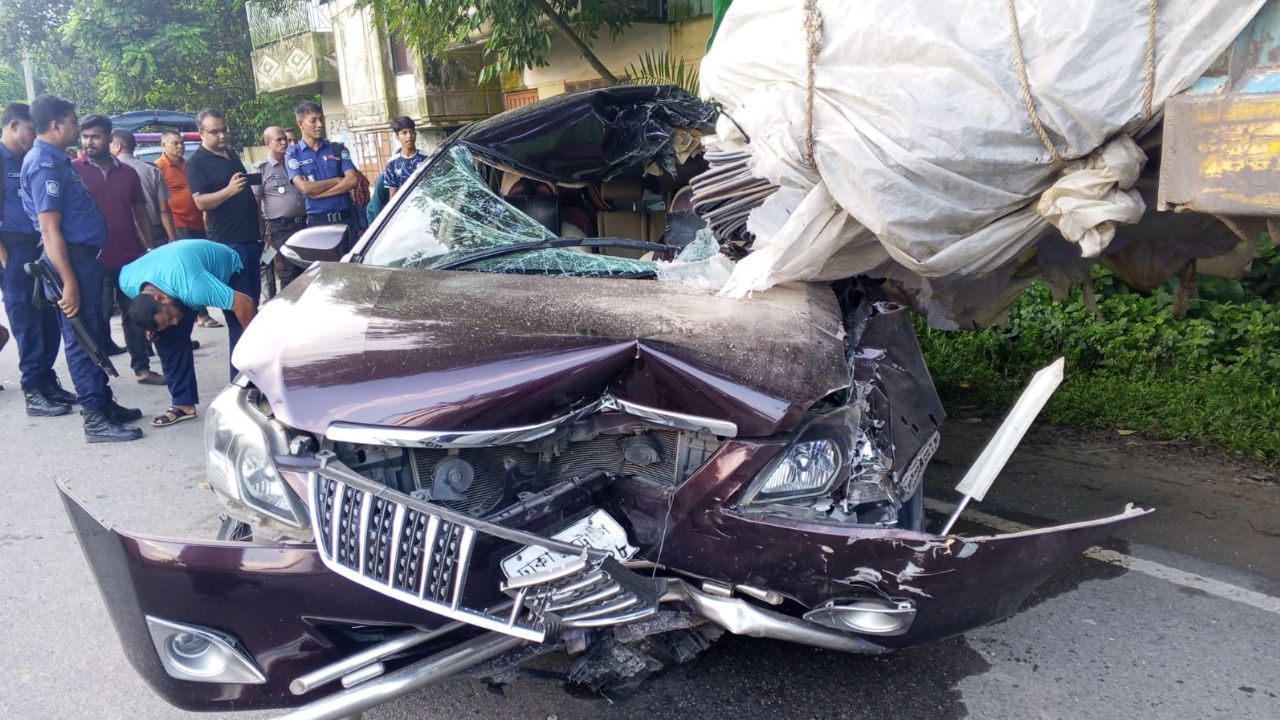
My first race will always be special, but the most memorable one was the 2022 Ironman World Championship in the United States. I had an accident after cycling 170km, but I didn’t quit. I finished the race despite the pain, and that experience taught me the true meaning of perseverance.
What does your training schedule look like now?
Once I set my sights on Ironman, my training became very structured. I wake up at 5 am and train until 8 am before going to work. After office hours, I do light training in the evening.
On weekends, I train for about seven to eight hours, which includes long-distance cycling of 150–200km or runs of 25–30km. I still follow this routine.
Since 2021, I’ve been training under an international coach, Bjorn Ludick, also known as Tricoach Bjorn, who is based in Ireland. He trains me online, and sometimes joins me in international events. We mostly communicate through WhatsApp, where he updates my training plan and I follow it accordingly.
How do you balance training with work and family life?
It’s all about setting priorities. My top three are work, family, and friends. I live close to my office, which saves time and helps me fit training into my daily routine.
I usually train early in the morning when the roads are empty and I can focus completely. Evenings are harder due to work and family commitments, so I sometimes have to adjust.
My social life is limited because training takes up most of my time. But I make up for it by involving my family. I often train with my children; we cycle and run together, which is one of my favourite parts of the day.
Have you received any official support in Bangladesh?
Not in the early days. I never saw triathlon as a professional sport then, and I pursued it independently. My family and friends were my biggest supporters. Without them, it would have been very difficult. My first Ironman competition was entirely self-funded. Later I found MGI, Clearmen , Beacon Pharma, Prothom Alo, Turaag Active, Dabur Honey, DHS Motors as my sponsor to participate in races since I qualified for the World Championships.
There’s still no triathlon federation in Bangladesh, although I now have contact with the running and cycling federations, who assist me with administrative matters.
I’m also fortunate to receive great support from my workplace, Bangladesh Bank. Their encouragement and flexibility have made it much easier to continue competing internationally.
What advice would you give to aspiring triathletes in Bangladesh?
I’ve trained a number of new athletes, and I always tell them that swimming is the most crucial part of triathlon. Unfortunately, there are very few proper swimming facilities in Dhaka. Running is easier; you can do it almost anywhere, especially early in the morning.
Cycling, however, is the toughest to train for due to traffic and safety issues. But with determination, anyone can find a way. My advice is simple: stay consistent, stay patient, and believe that nothing is impossible.


