In Bangladesh, fire isn’t just an accident; it’s a symptom. For decades, workers have lived and died inside buildings that were never meant to save them. Each new blaze brings a few days of outrage; headlines filled with horror and government promises that fade as quickly as the smoke. Behind every inferno lies the same story: profit before people, rules on paper and regulators who look away.
Factories rise quickly and cheaply, often without fire alarms, extinguishers or emergency exits. Restaurants stack LPG cylinders beside kitchens with no ventilation. Chemical depots store hydrogen peroxide next to combustible cargo. Every tragedy is preventable, yet every year, more lives are lost. Not to fire alone, but to indifference.
Deadliest fire incidents in the last 5 years
Garments and chemical warehouse fire, Mirpur, Dhaka
The most recent tragedy struck on October 14 this year. At least 16 people have been killed, and 8 others injured in a blaze that engulfed a garment factory and chemical warehouse in Mirpur. The fire spread rapidly, exposing severe noncompliance in the building’s electrical wiring and fire safety systems.
Officials reported that DNA testing is being used to identify some of the victims, as several bodies were burned beyond recognition.
In the wake of the disaster, Chief Adviser Muhammad Yunus expressed deep sorrow and condolences. He also called on the authorities to thoroughly investigate the cause and extend support to the victims’ families.

As of now, no official probe report has been made public. But the pattern is already familiar: negligence, weak inspection and political silence.
Hashem Foods Ltd factory fire, Rupganj, Narayanganj
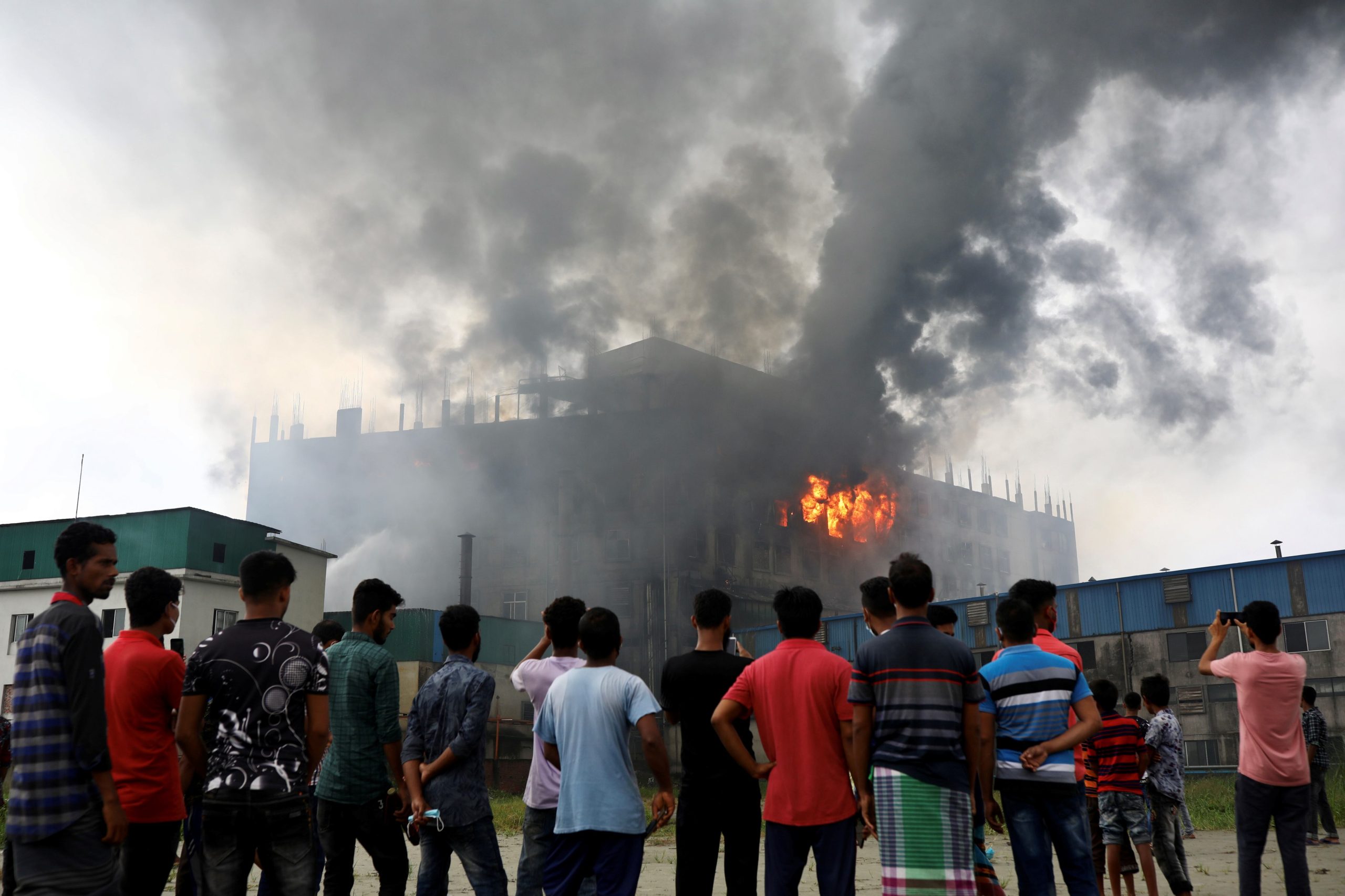
When flames tore through the six-storey Hashem Foods and Beverages factory in Rupganj on July 8, 2021, workers were trapped behind locked doors. Most of the 52 victims were young women and children, and around 50 others were injured. Many were found later clustered near sealed staircases and windows. The fire raged for hours before rescuers could reach the upper floors. 50 others
Investigations revealed almost no functioning fire alarms or emergency escapes. Exits were blocked and gates had been padlocked from the outside. Civil society probes also found evidence of child labour and irregular hiring practices.



Regulators, including the Department of Inspection for Factories and Establishments (DIFE) and the Fire Service, had cleared the facility despite glaring safety violations.
Government response: A few arrests, a few days of mourning and promises of “strict monitoring.” No major legal reform followed. Families of victims still await full compensation and justice.
BM Inland Container Depot Fire, Sitakunda, Chattogram
The Sitakunda depot explosion killed 49 people and injured more than 300 on June 4, 2022. The deceased also included firefighters who rushed into the warehouse unknowingly, filled with hydrogen peroxide. The blast illuminated the night sky for miles. It was a literal explosion of negligence.
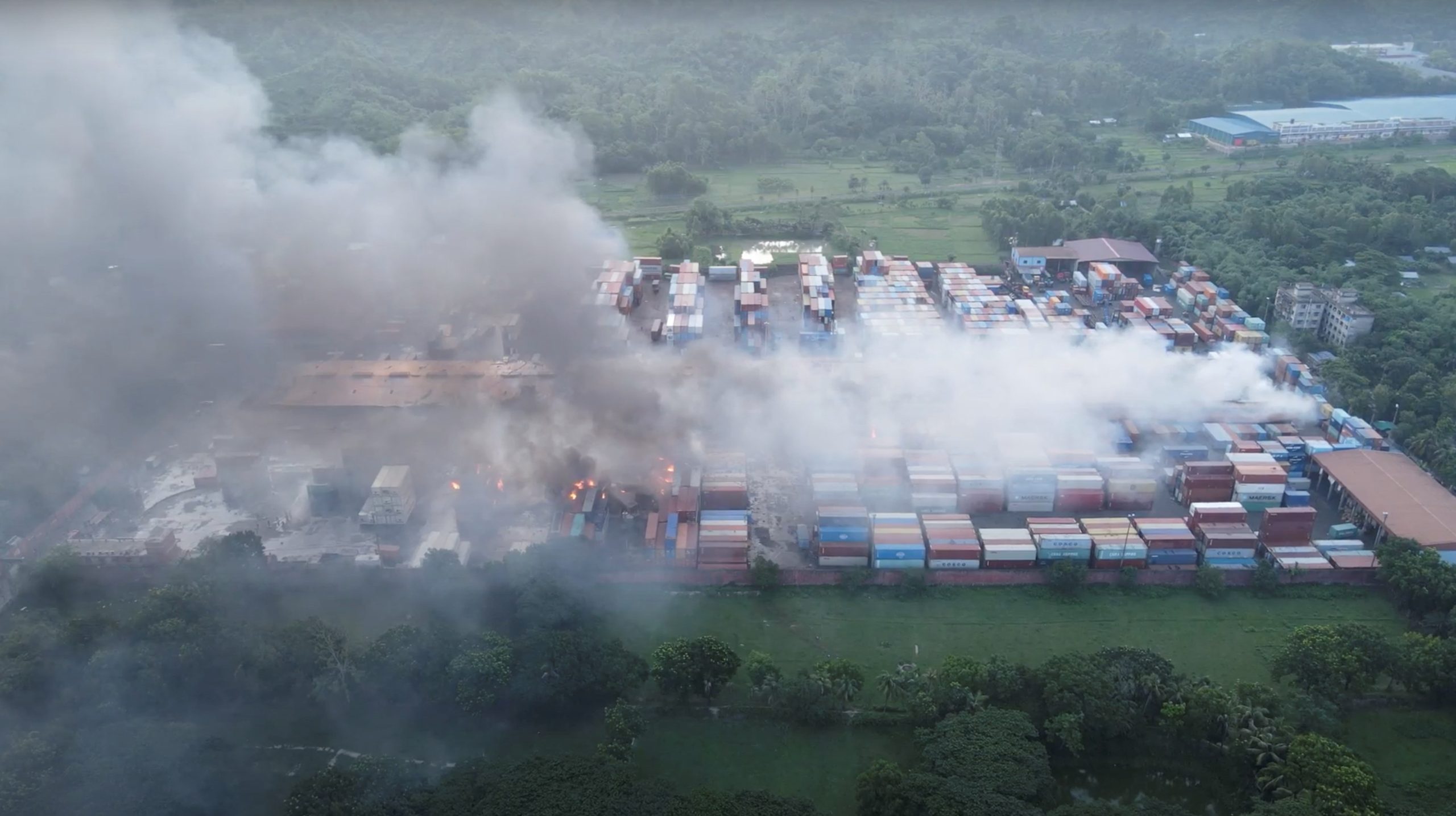
Probe findings pointed to improper storage and handling of hazardous chemicals, inadequate firefighting infrastructure and missing safety permits. From customs to the port authorities had failed to monitor the dangerous cargo. The depot had been operating without full compliance clearance for years.
Government response: Officials suspended a few local officers and promised revisions to the Dangerous Cargo Act. Those amendments remain under process. The depot quietly resumed partial operations months later.
Bailey Road Fire: Green Cozy Cottage, Dhaka
On February 29, 2024, what began as a quiet evening in a popular restaurant hub turned into a scene of panic and smoke. A fire, reportedly from an electrical short circuit, spread through kitchens stocked with gas cylinders. Stairways, meant for evacuation, were jammed with storage. Within minutes, 46 lives were lost, dozen more were injured.
RAJUK and Fire Service investigations revealed that the building had been approved for mixed-use commercial purposes. Instead, it was illegally modified into a maze of restaurants. Emergency exits were blocked or sealed to make space for additional seating. Even after multiple previous warnings, authorities had allowed the establishment to operate.
Government response: RAJUK launched a series of drive inspections in Dhaka’s clustered restaurants. It was a brief show of force that faded after the initial outrage. No clear accountability for the building’s owners or regulators followed.
Mosque explosion, Fatullah, Narayanganj
It was September 4, 2020, just after the Isha prayers, when the explosion rippled through the Baitus Salat Jame Mosque. At least 40 people were burned when six air conditioners exploded, and 28 of them died.
Investigators later found that a leaking gas pipeline had filled the basement with fumes. And when the air conditioners were switched off, it ignited.
Titas Gas officials admitted to years of complaints about the leak that went unaddressed. Faulty maintenance and illegal gas containers were cited as the primary cause.
Government response: A few Titas employees were suspended and later reinstated! There was no structural reform in the utility’s inspection or maintenance.
After every inferno, the government vows “zero tolerance.” Yet factories reopen under new names, owners secure bail and oversight bodies return to their comfortable blindness. Behind the scenes, inspectors are bribed, NOCs are sold, and reports vanish in bureaucratic drawers.
For the victims, there is no justice. Only burnt photographs, missing pay slips and lifetime scars. Until accountability replaces corruption and enforcement replaces excuses, the next fire is not a question of if, only when.