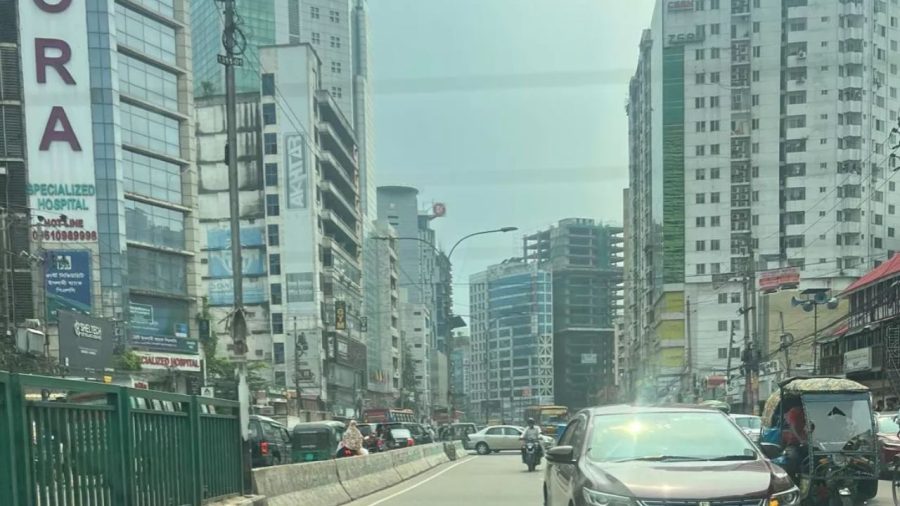



On a city morning when Dhaka’s roads would normally be crowded with battery-run rickshaws weaving through traffic, several streets appeared noticeably clearer on Monday as the vehicles stayed largely off the roads amid a drivers’ protest.
The absence of the three-wheeled vehicles, which have become a familiar feature of Dhaka’s urban transport landscape, brought an unusual change to the streetscape.
Roads at Malibagh, Mouchak, Badda, Rampura, and adjoining areas saw fewer battery-run rickshaws, leaving more space for other vehicles and pedestrians to move.

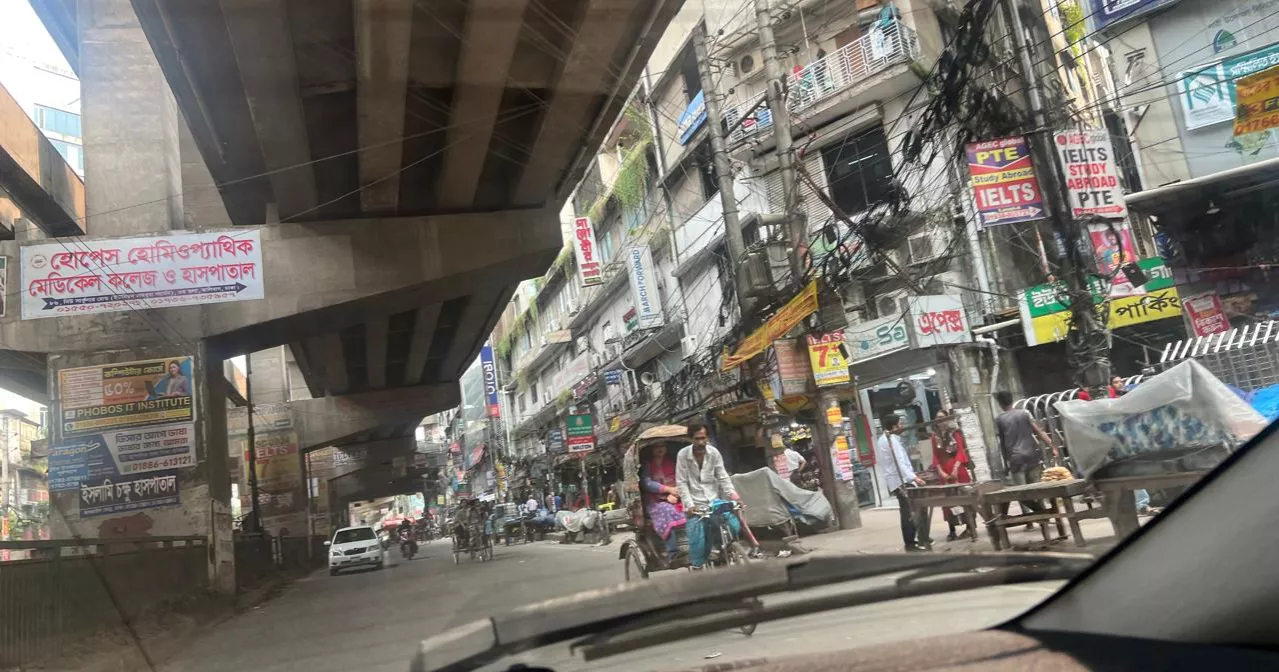
For some city dwellers, the relatively open roads offered a brief respite from the congestion and roadside disorder often associated with the heavy presence of these vehicles.
However their sudden absence therefore created difficulties for some passengers.




Many commuters, particularly those travelling short distances or connecting to main roads from residential areas, rely on the vehicles for quick and relatively inexpensive journeys.
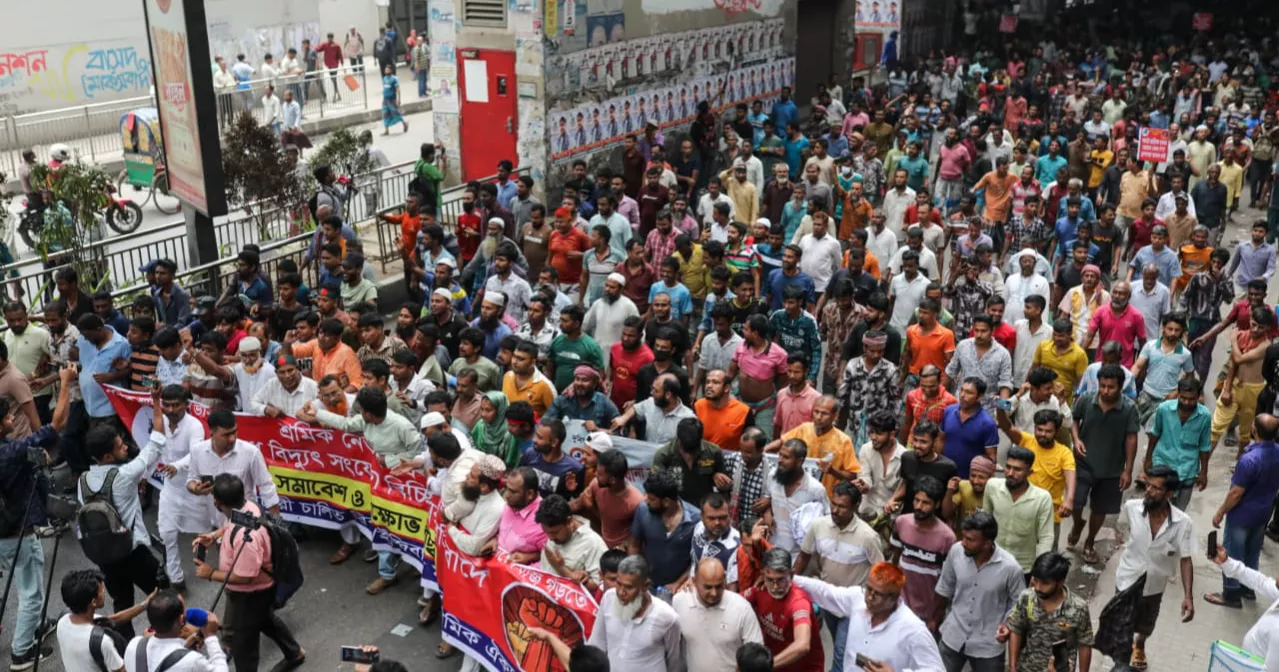
The contrast was particularly visible around the Jatiya Press Club area after around 10:30am, when a protest by battery-run rickshaw drivers began.
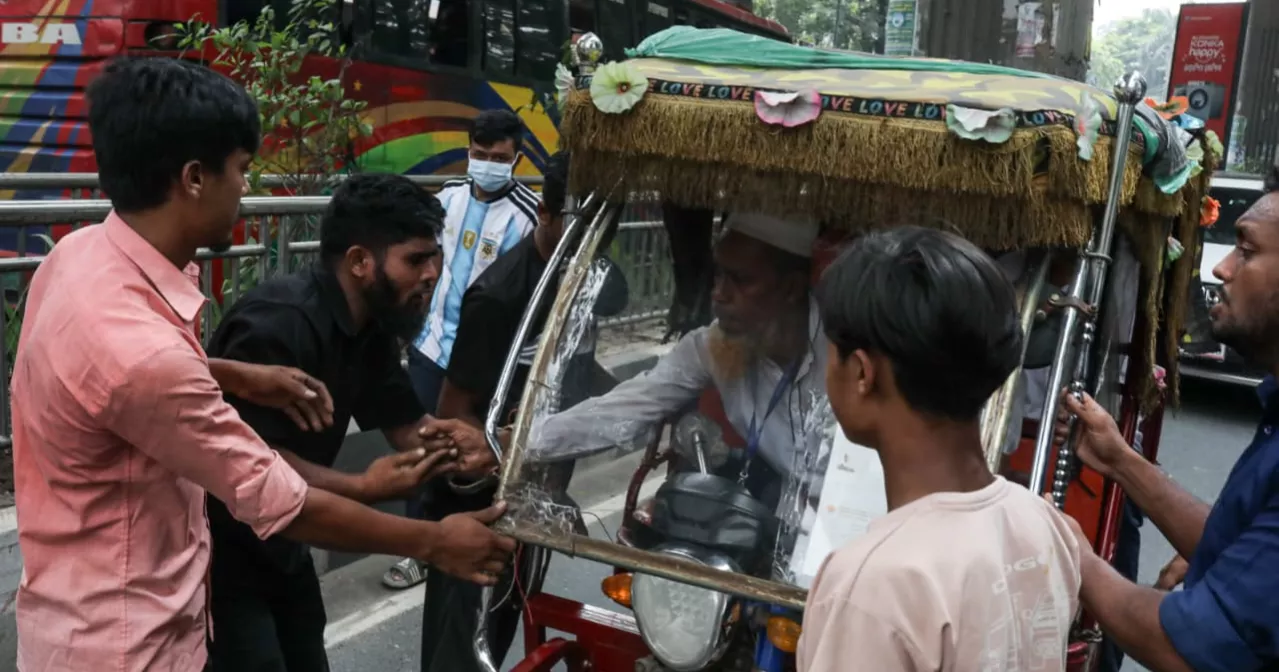
During the protest, demonstrators stopped several battery-run rickshaw drivers who were continuing to operate in the area despite not joining the demonstration.
In some cases, protesters pulled out electrical wires from the vehicles, rendering them inoperable.
Pedestrians could be seen using roads and crossings without having to navigate the constant movement of three-wheelers, while other vehicles appeared to have more room to move.
The situation also underscored the complicated role of battery-run rickshaws in Dhaka’s transport network: while their large numbers are often associated with traffic pressure and disorder, they also provide an essential last-mile transport service for thousands of commuters.