Adding to a series of murders and shootings, a shocking attack on worshippers inside a mosque has pushed concerns regarding law and order in Khulna to a peak. The unchecked use of firearms and brutal assaults are causing widespread panic.
After sunset, the city is cloaked in a frightening atmosphere, where screams frequently shatter the night.
According to police, at least seven armed groups are battling for dominance across the metropolis, fuelled by political corruption, drug syndicates, and the illegal arms trade.
Data from the Khulna Metropolitan Police (KMP) crime branch reveals approximately 90 murders occurred over a 22-month period from August 2024 to last May, with 34 involving terrorist factions.
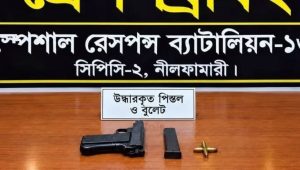
In response, authorities have blacklisted 181 criminals across eight police stations and begun preparing fresh, localised watchlists.
Public anxiety intensified after two worshippers were shot inside a mosque in Daulatpur on Sunday.
Police report that armed men breached the premises and fired indiscriminately after Fajr prayers.

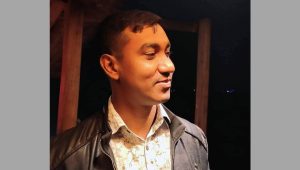
Eyewitnesses recounted that Lokman Hakim was sitting inside reciting the Quran when the bullets targeted at him also struck Alam Sheikh.
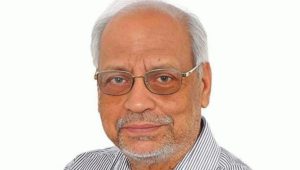
Reacting to the violence, Qudrat-e-Khuda of the Conscious Citizens’ Committee (SANAK) questioned the safety of ordinary citizens if even a sacred space is violated.
He suggested the incident stemmed from a rivalry to establish dominance, noting that the area has a history of violent clashes over the control of a local oil depot.
Confirming this motive, KMP Commissioner Zahidul Hasan said that the mosque intrusion and subsequent shooting were strictly business-related.




He clarified that the attackers and Lokman Hakim have a long-standing conflict over the oil trade.
The commissioner assured the public that law enforcement is actively working to arrest the suspects, adding that while the identities of those involved have been uncovered, their names are being withheld in the interest of the ongoing investigation.
Attacks, shootings, and murders now regular phenomena
Violence has become a routine occurrence.
Just two days prior, a BNP leader named Rafiq Gazi was shot in public in the Mathabhanga Kazi Para area, which falls under the city’s Labanchara police station. He was attacked while sitting on a motorcycle in front of a shop.
A day earlier, on Thursday at 9pm, police recovered cocktails from the road situated in front of the government Coronation School on the city’s Ahsan Ahmed-PTI Mor Road.
Prior to that, on 2 June, a young man named Md Rashed was picked up and killed in a school located in the Sachibunia area of Khulna’s Labanchara police station.
Trained shooters in slums
Alarming intelligence reveals that the city’s slums have become breeding grounds for violence, with at least a hundred trained shooters residing across more than fifty slum areas.
These juvenile criminals and hired guns are utilised by influential figures to maintain dominance, often engaging in internal clashes, murders, and mischief for financial gain. Demonstrating their expanding reach, a hit squad was hired from Khulna to murder content creator Rakibul Islam Rakib at Dhaka’s Central Shaheed Minar on 15 March over a relationship dispute, proving these terrorists can cross regional borders.
However, KMP Commissioner Zahidul Hasan offered a contrasting perspective, noting that external conflicts from places like Chattogram sometimes manifest in Khulna.
In response to the escalating crisis, law enforcement agencies launched joint operations across the metropolis in early June.
Over a 14-day period, the KMP arrested more than 600 drug peddlers, gang members, and accused criminals; however, no major masterminds were among those detained.
Khulna Nagarik Samaj member secretary Md Babul Howlader emphasised that a massive operation is crucial for ultimate results, especially since terrorists now employ modern technology.
He noted that the spread of terrorism is driven by unemployment and deep-rooted political factors that will take considerable time to resolve.
Elaborating on the motives behind the bloodshed, KMP Commissioner Zahidul explained that out of 15 recent murders, five were family-related, three remain unknown, and seven stemmed from disputes among friends, drug dealing, or turf wars over tenders, markets, oil, and shipping businesses.
He confirmed that powerful syndicates are involved in these incidents and announced that a special 10-day operation was underway, which will soon be reinforced through joint forces to dismantle these criminal networks.