For millions of households, the LPG cylinder is an everyday companion. A quiet metal drum fuels stoves, lights family dinners and keeps kitchens running smoothly. It sits in a corner, mostly ignored. But the line between a routine appliance and a deadly hazard is frighteningly thin.
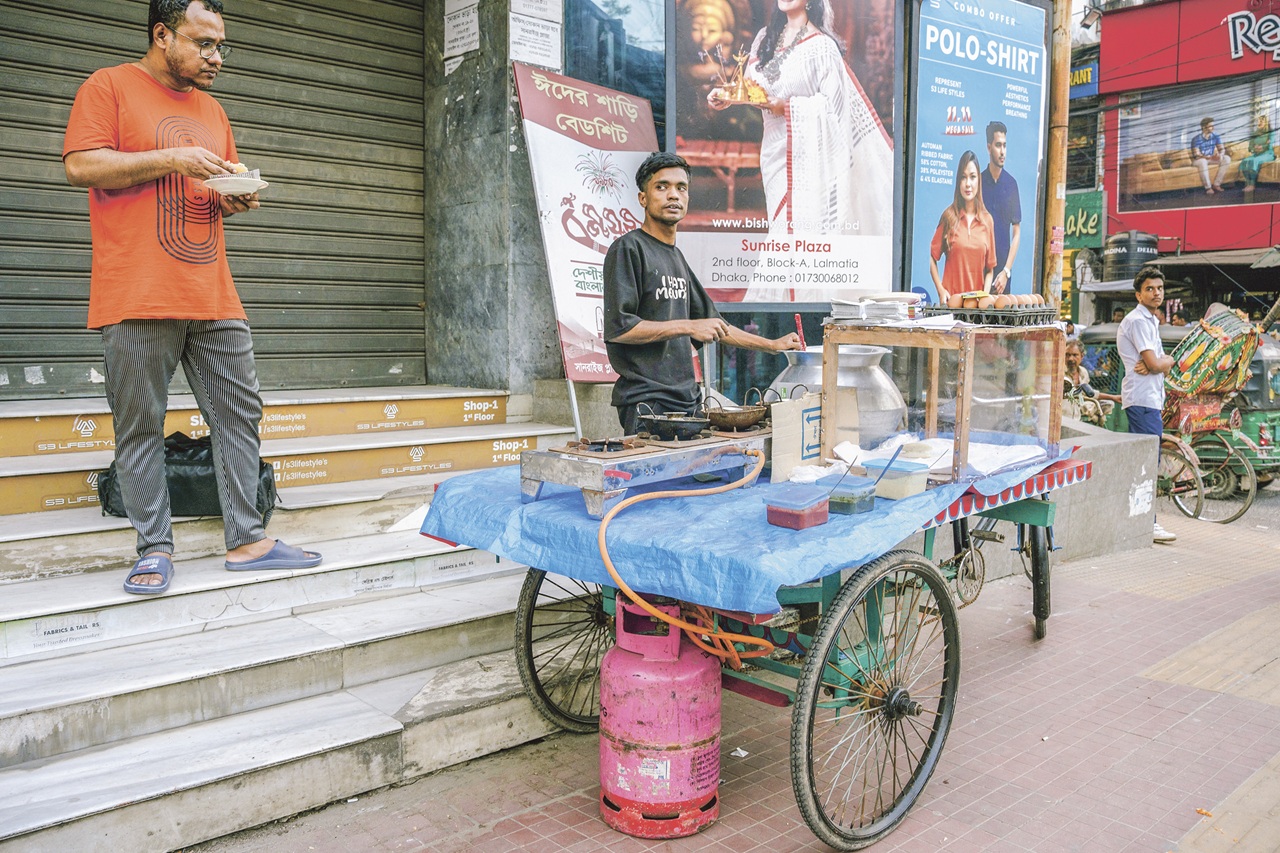
Across Bangladesh’s streets, the LPG cylinder has become a familiar sight. From roadside tea stalls and makeshift kitchens in markets to food carts, these gas cylinders sit inches away from open flames, wobbling stoves and crowds passing by. They run our street food economy. But they also carry a danger we routinely ignore.
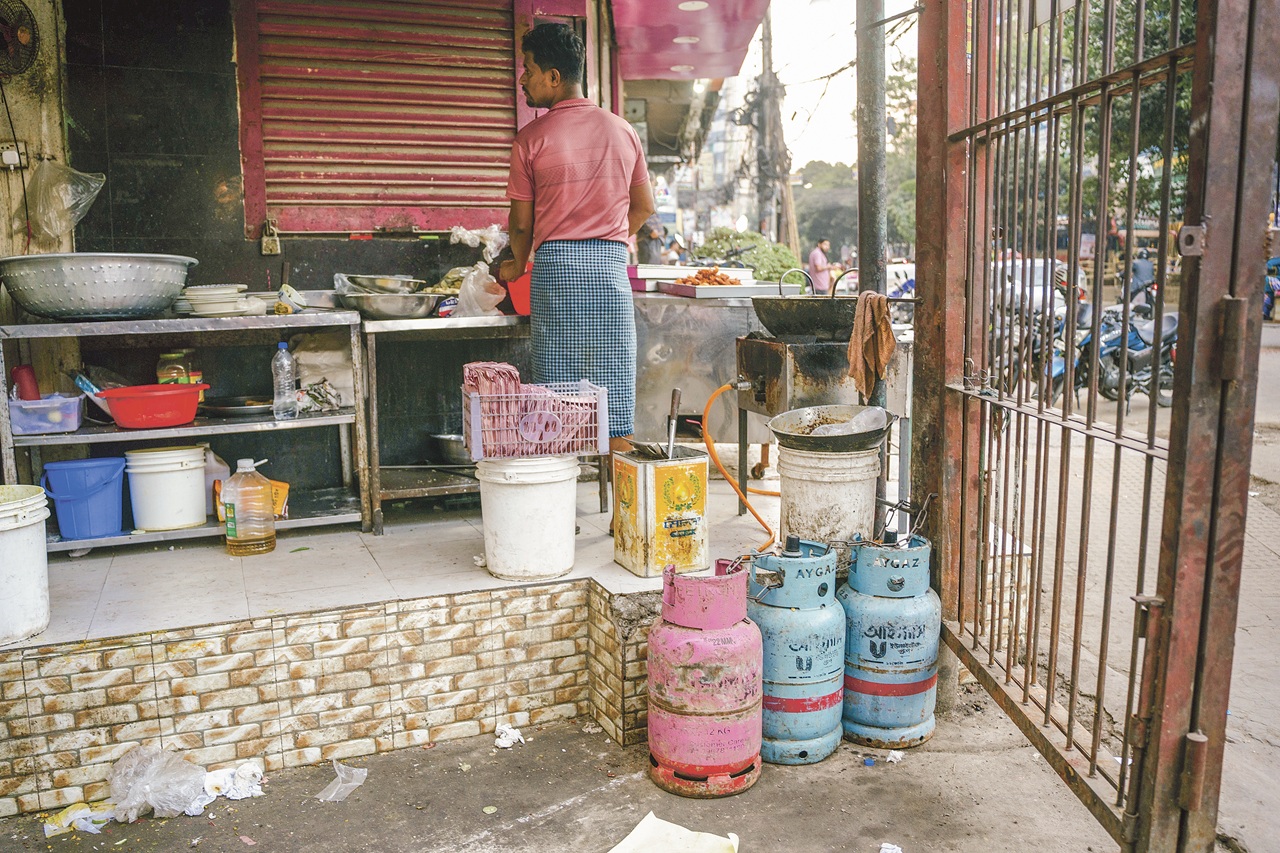
In outdoor setups, safety is almost always treated as optional. Cylinders rest on uneven footpaths, lie on their sides behind carts or stand wedged between wooden planks and plastic sheets. One small leak, one gust of trapped gas and a single spark from a lighter, a stove or even friction can trigger a fireball. Firefighters often describe these incidents as “flash events,” where people have only seconds to react, if at all.

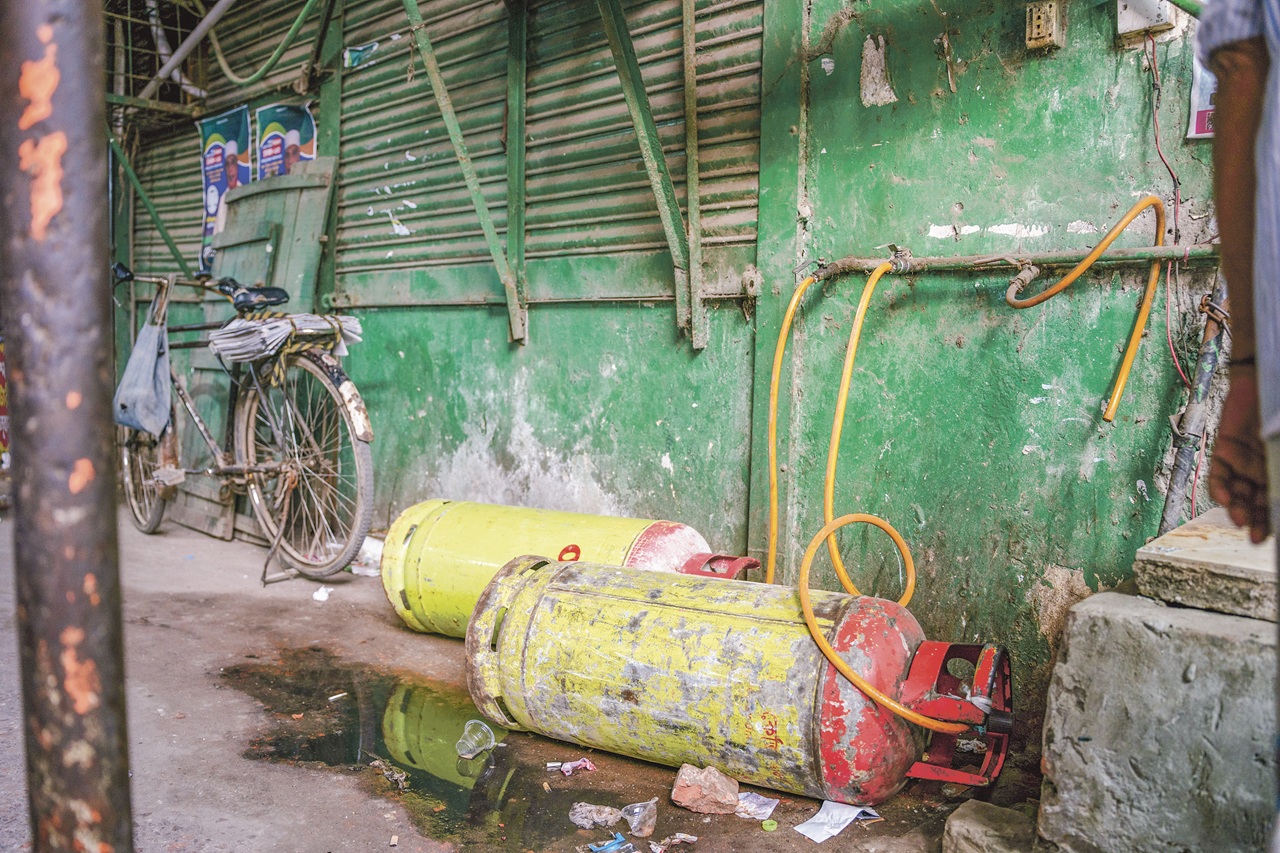
LPG is stored under pressure. That means even a tiny opening can release gas rapidly. Unlike households, where a gas smell might alert residents, outdoor LPG leaks often go unnoticed. Wind can carry the odour away. Crowded environments drown out the subtle hiss. By the time someone senses danger, the gas has already built a deadly pocket around the stove.




Transport makes things worse. Delivery workers stack cylinders on open trucks without restraints. Heat accumulates. Valves loosen. People walk and work around them with no idea they are inches from a potential explosion.

The numbers are worrying. According to the Fire Service and Civil Defence, 704 fire incidents in 2024 were linked to gas leaks. Another 44 cases resulted directly from cylinder explosions. Many of these happened in public spaces, markets, food stalls and temporary kitchens. Yet every one of these accidents is preventable.
Vendors need training. Stalls must use certified regulators and approved hoses. Cylinders must be kept upright, shaded and away from flames. Authorities must enforce inspections, especially in high-density food zones.
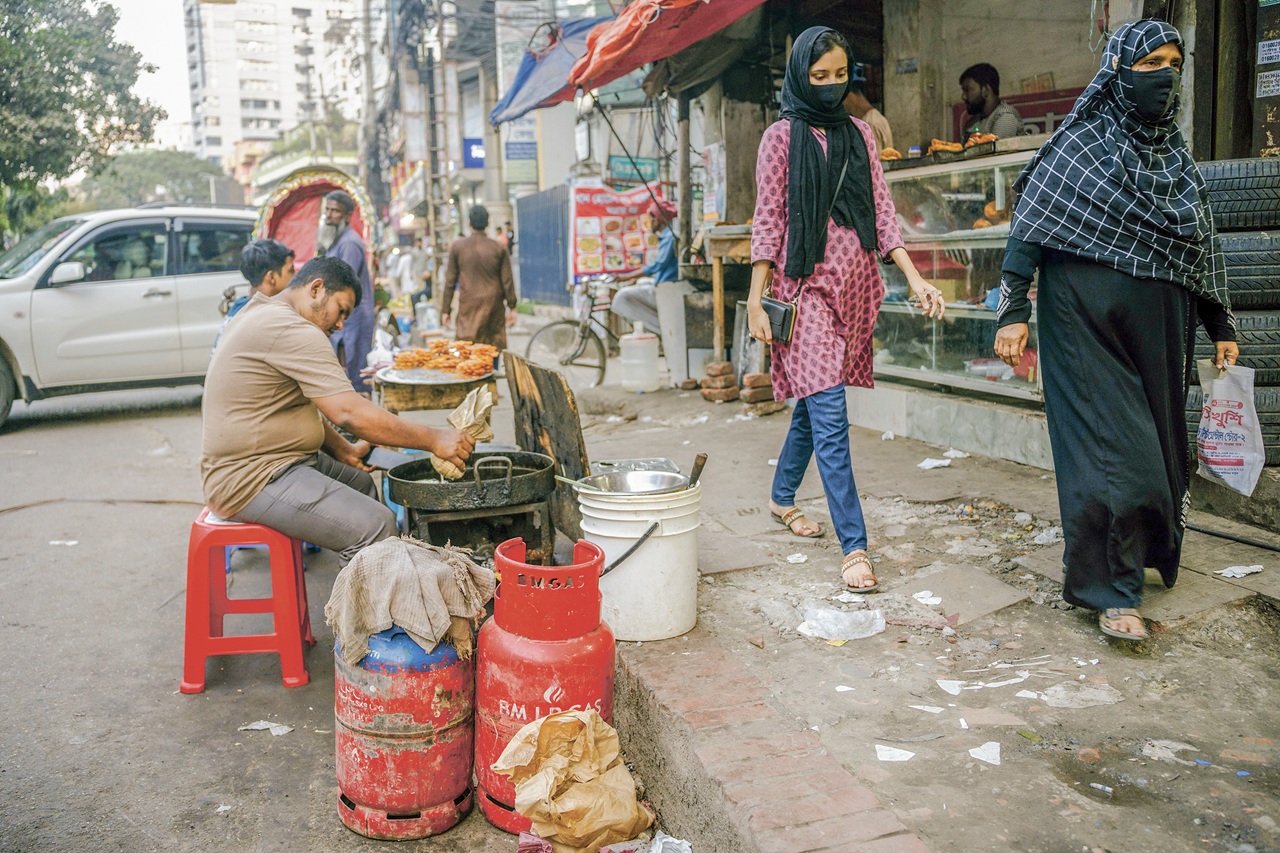
LPG makes modern life easier. The steel cylinder may look harmless. It may have served faithfully for years. But respect for it cannot fade. Because one lapse, one moment of haphazard use, can turn the busy street or the heart of a home into an inferno.