Marketing legend Syed Alamgir represented Bangladesh at the Global SME Summit in Davos last month, where his life story, including his pioneering “halal” marketing, was presented to the world.
Ahead of the eighth Bangladesh Marketing Day on October 17, in an interview with TIMES of Bangladesh’s Mahfuz Ullah Babu, he shared how Bangladeshi SME firms can build winning brands, alongside his observations on local conglomerates’ efforts to build brands that can last for a century.
“Quality at a fair price” should be at the heart of brand-building, he suggested, pointing to the emergence of the consumer class in the growing economy.
He also raised concerns about the widespread short-termism across local industries, citing a visible lack of vision, effort, and investment to build brands that can thrive and last for centuries.
TIMES: What is your takeaway from Davos?
Syed Alamgir: Alongside the summit’s appreciation for my work in the field of marketing, I saw how much the developed world and developing economies are pushing for their SMEs.
In around 100 sessions, experts, entrepreneurs, and policymakers discussed the problems facing SMEs, including issues with scale, skills, access to finance, technologies, and markets. They also outlined solutions.
In most of the 51 participating countries, SMEs contribute to over half of their GDP and play a significant role in job creation.
In Bangladesh, around a third of GDP is contributed by SMEs, while around 80% of economic activities are in the SME sector.

Also, the booming global Halal industry was a key attraction at the summit. I was praised for the disruptive marketing concept of Halal soap in the early 1990s, which spread everywhere.
From finance to tourism to consumer products, a growing consumer base is asking for Halal, even in countries without a Muslim majority. Many non-Muslims are also looking for Halal products and services. The $2.7 trillion global industry is estimated to grow to $5 trillion in three years.
We have a big opportunity there. We just need to prepare accordingly.
TIMES: What are the major issues facing Bangladeshi SMEs?
Syed Alamgir: Finance usually comes at the top. SMEs do need easier financing. The government can plan subsidies for SME growth while strengthening market-based financing, which is a must.
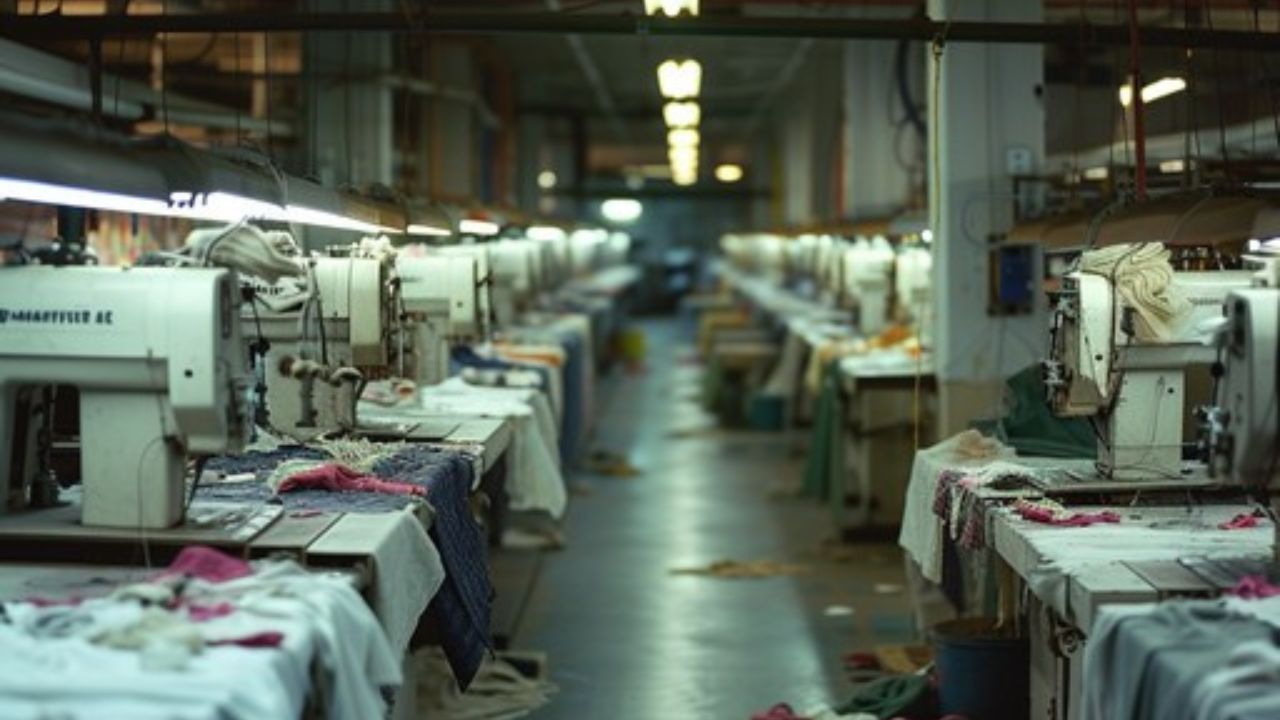
Even bigger problems for SMEs, I feel, are their weaknesses in terms of skills and technologies. We need to walk a long way to train tens of thousands of small and medium entrepreneurs so that they can enhance their quality and efficiency in production, operations, and marketing.



The informal nature of employment in SMEs also needs to be formalized. Time is changing, and workers need a secure life.
Scalability of SMEs is rarely discussed here. But we need to spread the vision among entrepreneurs to grow from a local business to a national scale, and ultimately beyond the border.
Across the world, SMEs are thriving in exports too. For export competitiveness, SME firms need a supportive ecosystem, and the government should take necessary steps.
Brand-building is the most overlooked factor, I feel, that should not continue.
We need a widespread culture within firms that will increase awareness and specialization in brand-building.
TIMES: How to build a winning brand?
Syed Alamgir: First, you have to connect the dots. Foresee the demand and plan the right product or service to deliver. Coming up with marketing innovations is also crucial.
For instance, in Jamuna Group, sneakers were being imported for urban consumers in Bangladesh, and I came up with the local brand Pegasus that won the market.
Muslim consumers in Bangladesh loved Aromatic Halal soap, which shook the multinational market leader Lux.
Everyone used to consume traditional salt. In ACI, I introduced iodine-fortified salt that is genuinely helping in the formation of a stronger brain. Now no one consumes salt without iodine.
Without delivering, you cannot build a brand with mere marketing gimmicks.
Price is another key factor for success. You must charge higher for a better product, but consumers must believe that the price is fair.
Here comes the question of cost control, efficient manufacturing, and operations.
A popular local brand lacking standards, quality, and competitiveness will easily be defeated by global brands. For instance, once well-known “Alam er 1 No Pocha” ball soap is not selling that much. Because superior quality products by multinationals grabbed the market.
On the flip side, quality at a fair price with proper marketing helped the local disinfectant Savlon defeat the global brand Dettol and sustain market leadership.
TIMES: SMEs are nowhere in brand-building. Are local corporates doing enough?
Syed Alamgir: Nowadays, it seems most of the homegrown companies are focused on doing profitable business over the next few years.
For a century-lasting brand, they need to invest more in superior quality and strategic brains. Most are happy with a business that is available without higher investments and painstaking efforts.
Demand for quality products is there. See, the volume of premium chips or chocolates being imported every year. Local companies are lagging, missing opportunities.
TIMES: If you are given Tk 5,000 crore in capital, what will be your next venture?
Syed Alamgir: Branded consumer staples. Consumers are paying more for the quality assurance of the rice, flour, edible oil, and lentils they consume.
TIMES: What is your message to young marketing professionals on the eighth Bangladesh Marketing Day?
Syed Alamgir: Think beyond…