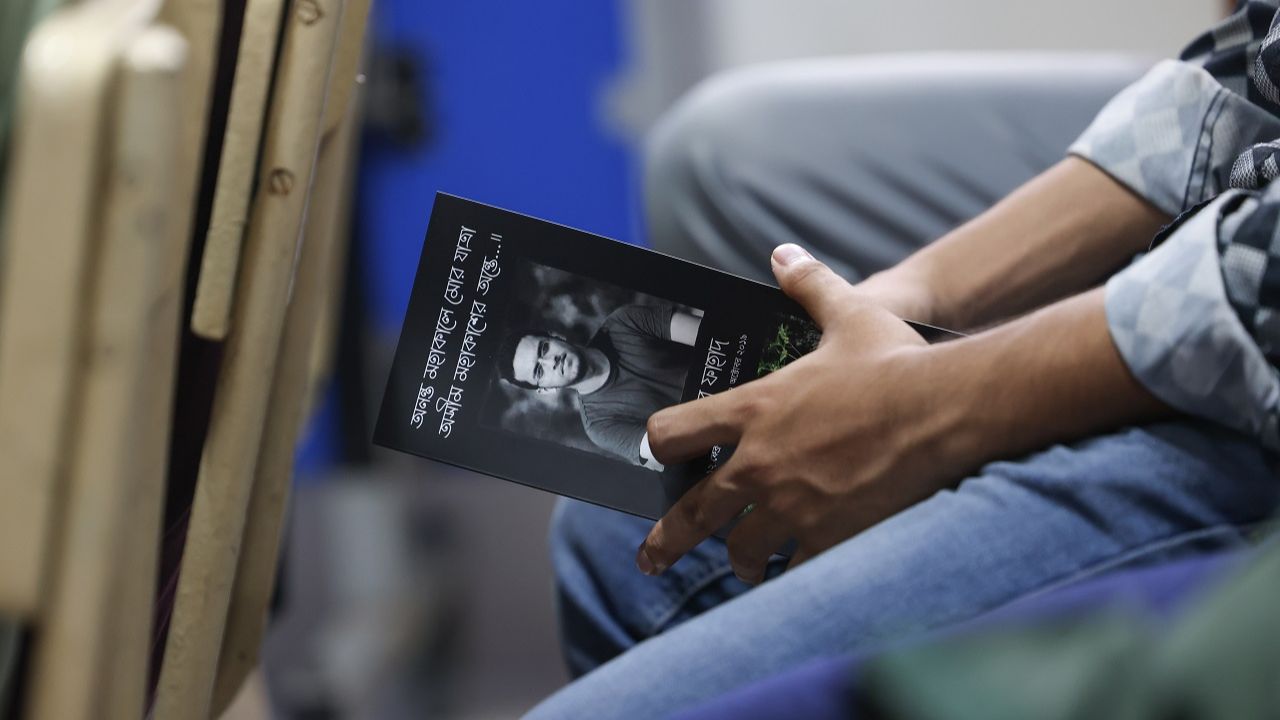

On the night of October 6, 2019, the narrow corridors of BUET’s Sher-e-Bangla Hall carried a sound no campus should ever hear. It was the desperate cries of a young man being beaten to death. Inside a small dorm room, a life full of promise was slowly fading, not at the hands of strangers, but by fellow students who wore the mask of leadership.
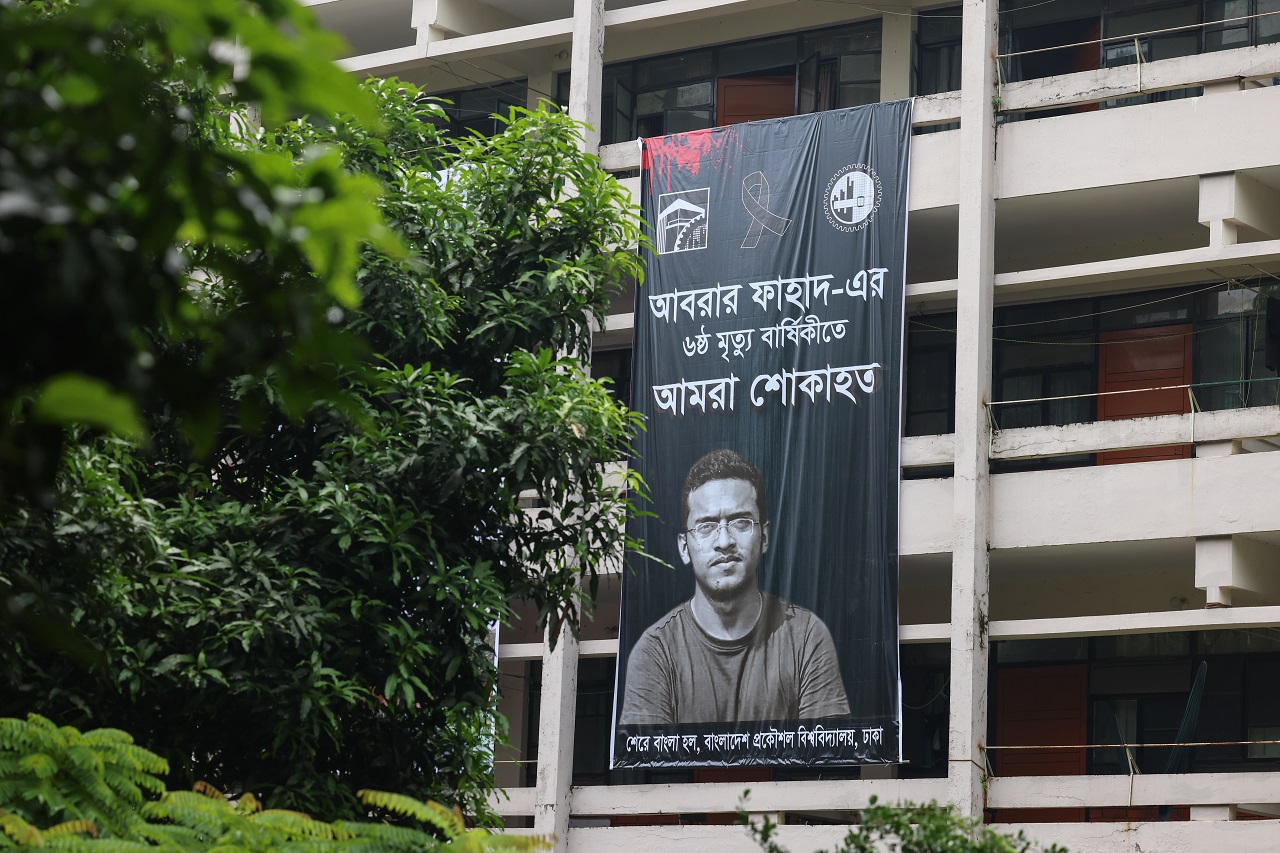
His name was Abrar Fahad. A name that would soon echo across the nation as both a wound and a warning.
Abrar was born in Kushtia. He was a quiet, middle-class boy with a bright mind and a gentle spirit. He grew up with big dreams and a simple belief that honesty still mattered. After studying at Dhaka College, he earned his place at the Bangladesh University of Engineering and Technology (BUET).
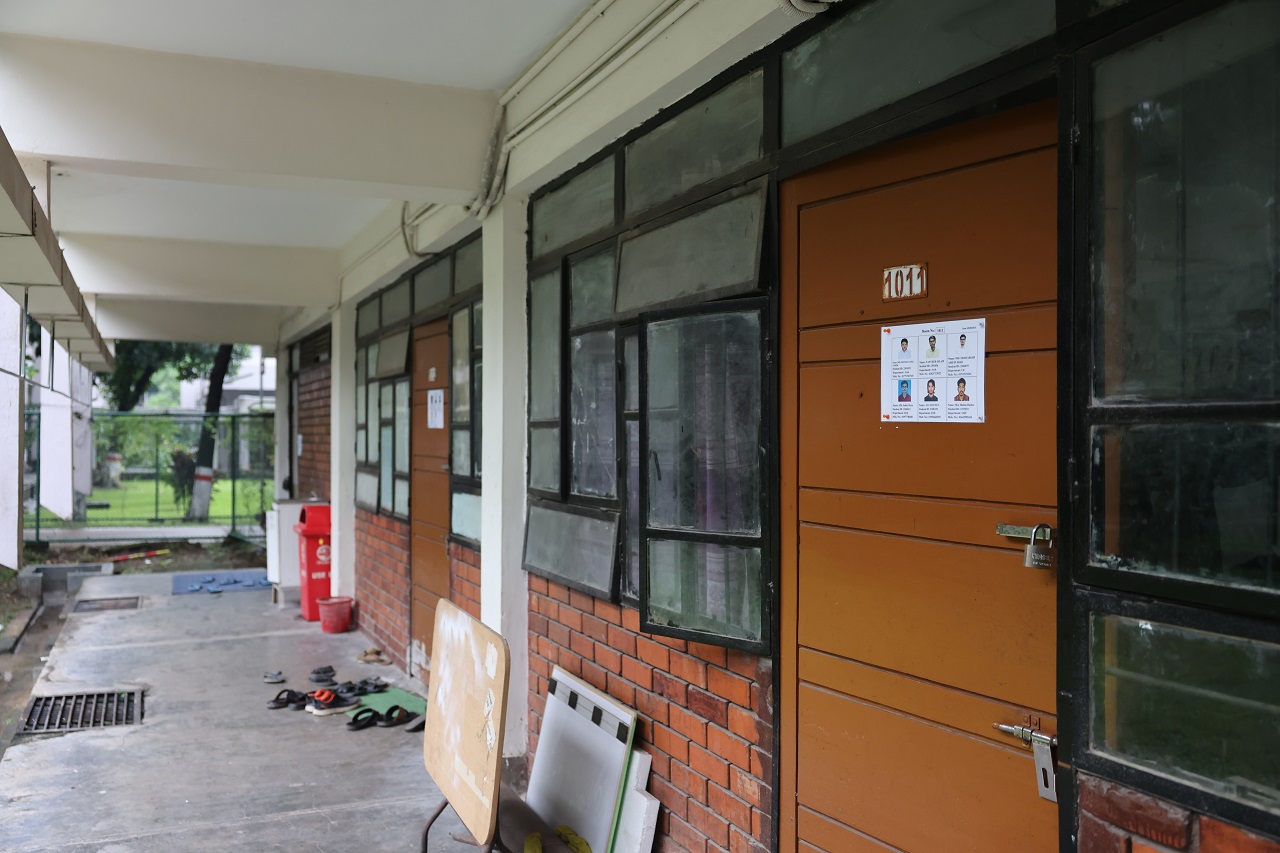
Hours before he died, Abrar shared a Facebook post about a water-sharing deal between Bangladesh and India. It was a thoughtful comment, not an attack, not a slogan. That evening, members of the Chhatra League unit at BUET called Abrar to Room 2011. They accused him of siding with the opposition. What came next was not an argument; it was a nightmare.

According to investigations, ten leaders of the ruling party’s student wing took turns beating him with cricket stumps, iron rods and cables. It went on for hours. They asked questions he couldn’t answer. They ignored his pleas for mercy. When Abrar begged for a sip of water, they denied him even that.
By the time they were done, his body was broken beyond help. His killers dragged him to the staircase and left him there, lifeless, alone, his glasses still beside him. Students later said they heard dull thuds, cries muffled behind closed doors and then an awful silence.
Abrar’s murder didn’t come from nowhere. It grew from a system that has long poisoned Bangladesh’s public universities, where ruling-party activists dominate dormitories and fear replaces friendship. At BUET, like many other campuses, political identity often decides who gets a seat, who gets a voice and who stays safe.




When the sun rose the next morning, the news hit like a storm. Photos of Abrar’s body spread across social media. His mother fainted at the sight of him. His father stood frozen beside the coffin, unable to speak.
Thousands of students gathered in front of BUET’s main gate, silent at first, then furious. Their chants echoed through Dhaka, “We want justice, not politics.” It was the sound of a generation’s grief and defiance.
That week, BUET banned all political activities on campus, the first such ban in its history. It remains in force today. A victory, yes, but also a reminder of what it cost.
For a moment, justice seemed to move quickly. The police arrested the culprits, all Chhatra League activists. In 2021, a Dhaka court sentenced 20 men to death and five to life imprisonment.
But years later, the appeals still linger in the Supreme Court. The wheels of justice turn slowly here, too slowly for the grieving parents. At a memorial this year, Abrar’s mother whispered through tears, “I only want to see the verdict executed before I die.”
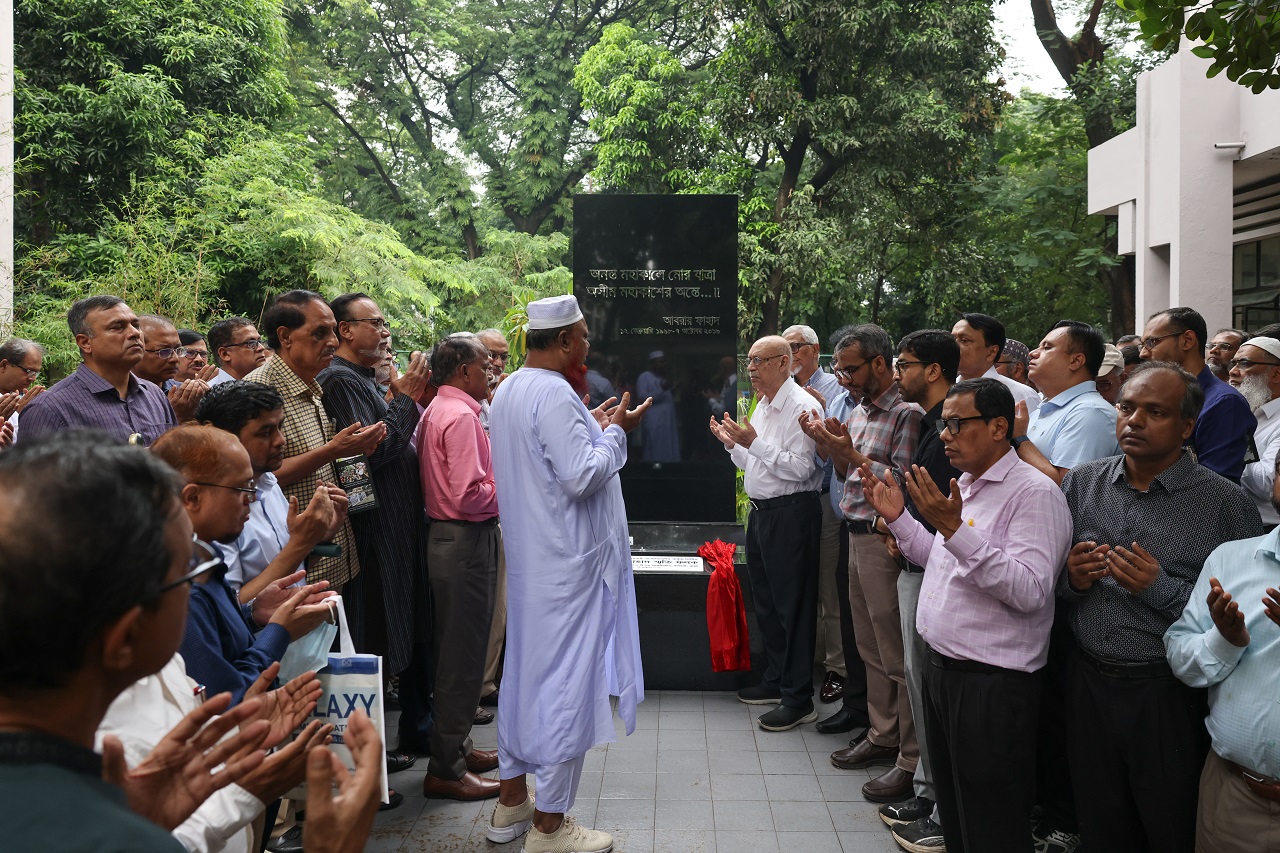
Today, BUET is quieter. No slogans. No processions. Only quiet footsteps, cautious voices and memories that refuse to fade. Students still speak of Abrar- the boy who smiled, who questioned, who believed thinking freely was his right.
Six years have passed. Abrar’s bed lies empty, but his presence lingers in classrooms, in protests, in whispers. His story reminds every student in Bangladesh of both the cost and the courage of speaking the truth.
Because in the end, Abrar Fahad didn’t die for politics. He died for honesty. And his memory still asks the same question every conscience must answer: How many more must fall before freedom of thought stops being a death sentence?