In a stunning turnaround, Islami Chhatra Shibir, the student wing of Jamaat-e-Islami, has gone from political outcast to dominant force in the Dhaka University Central Students’ Union (Ducsu) elections.
Scarred by decades of stigma over its role in the Liberation War of 1971, this election marked the first time Shibir openly fielded a panel. The result was emphatic: the group captured the three top posts, VP, GS and AGS, along with nine of the 12 secretary positions.
Once consigned to the margins, Shibir now stands at the centre of student politics, sending shockwaves through Bangladesh’s political and cultural landscape.
A dark past
Shibir’s history is inseparable from the crimes of 1971. Its political patron, Jamaat-e-Islami, was accused of collaborating with the Pakistani occupation forces. Senior leaders were linked to the killing of freedom fighters, the rape of women, and the murder of intellectuals in the final days before independence.
That legacy long kept Shibir under informal bans and social ostracism at University of Dhaka, the very campus that had driven the Liberation movement. Open politics by Shibir had been effectively shut down since the 1990s.
Because of this, the group was treated as a pariah. On campus, it survived on the fringes, known more for ideological rigidity and violent clashes than for genuine student leadership. Even during the Awami League’s decade and a half in power, Shibir operated only from the shadows, its activists maintaining a quiet footprint that finally surfaced in the wake of the July Uprising.
The turning point
The tide shifted with last year’s mass uprising, which toppled Sheikh Hasina’s government. Shibir quickly claimed credit for helping drive the protests. Whether overstated or not, the group benefited from the power vacuum that followed.

This time it re-emerged in full view, rallying supporters across halls and positioning itself as the most disciplined force on campus. Other student organisations, divided and weakened by their ties to erstwhile ruling parties, struggled to compete.
For disillusioned students angry at corruption and years of broken promises, Shibir offered a ready-made alternative. The results showed just how far that message travelled. Shibir drew unprecedented support from the women’s halls, which together account for nearly half the electorate.
Allegations of rigging
Yet the victory has not come without controversy. Rival student groups alleged widespread rigging and intimidation during the polls. Reports of voter suppression and irregularities cast doubt on whether Shibir’s dominance truly reflected student choice or whether pressure and manipulation tilted the balance.
Chhatra Dal’s VP candidate Abidul Islam Khan rejected the results outright in a Facebook post, calling the outcome a “pre-planned farce”. Independent candidate Umama Fatema, a leading organiser of the July Uprising, described “novel” methods of rigging and termed the election a “black chapter”.
These claims deepened the unease. For many, it suggested that Bangladesh’s political culture is not only shifting toward conservatism but also straining the democratic process itself.



A chant that divided the hall
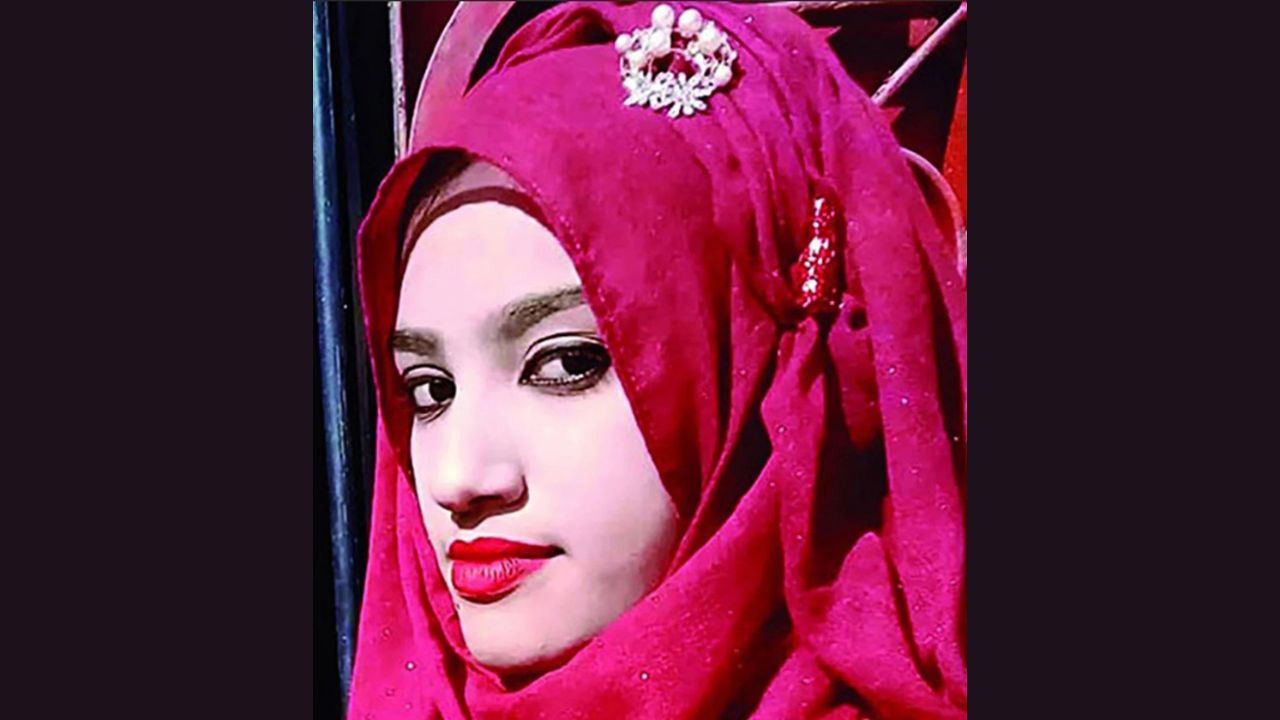
The most striking moment came after the results were announced. A woman candidate in a hijab, mocked earlier on the campaign trail, emerged victorious. Shibir supporters erupted into chants of “Hijab, hijab!”
To her backers, it was a celebration of resilience and a proud assertion of religious identity. But to secular students and teachers, the chant carried a threat. It seemed less about one woman’s win and more about a demand for conformity.
The broader vote pattern, with Shibir sweeping all five women’s halls, deepened those anxieties. Fears grew that what began as a cheer could harden into moral policing, dictating how women dress, behave and participate in public life.
The fear is not unfounded. Across Bangladesh, women have been pressured out of the public sphere.
They have been barred from inaugurating shops, concerts cancelled, plays stopped mid-performance. One famous case saw Jamil Ahmed, then head of the Shilpakala Academy, walk onstage himself to halt a theatre production after a hostile crowd demanded it end.
Against that backdrop, the symbolism of the Senate Bhaban celebration loomed large. The chant was a reminder: this is not just about student politics. It is about reshaping cultural life across the nation. For many, the Ducsu outcome is a bellwether of a wider cultural realignment beyond campus.
Culture and the shifting social fabric
The election results unfolded against a backdrop of renewed pressure on Bangladesh’s secular foundations. On 7 September, Jamaat, Shibir’s political patron, demanded the government scrap plans to recruit music and dance teachers for primary schools, urging instead the appointment of religious teachers to “strengthen students’ moral and ethical foundations”. The party argued that the absence of proper religious instruction had led to a “decline in social and moral values” and a detachment from “religious and cultural history and heritage”.
The move highlighted a wider reality. Bangladesh was founded on secular ideals, with secularism enshrined in the constitution as a principle of the state. Yet over the decades, religion has claimed a larger role in politics and society. Shibir’s success in Ducsu may represent the clearest expression of that shift in student politics. Jamaat’s stance on schools shows how the same battle is being waged in the classroom and the cultural sphere.
With many young people disillusioned with the Awami League and unconvinced by the BNP, Shibir’s message of discipline, piety and justice has found fertile ground. Combined with Jamaat’s policy push, the Islamist movement is now exerting cultural as well as political pressure, pushing Bangladesh further from the pluralistic vision of 1971.
Women under pressure
The first casualties of this new order may be women. What began as a chant of support risks becoming a tool of coercion. Secular voices warn that “Hijab, hijab” could soon translate into stricter expectations around women’s clothing, freedom of movement and role in public spaces.
Female students’ overwhelming swing toward Shibir is being read in sharply different ways, either as empowerment through religious identity or a foretaste of tightening social norms. Already, women are being excluded from stages, ceremonies and leadership roles. If Shibir’s influence deepens, women’s equality could become the first major sacrifice in this new climate.
The coming months in the halls and departments will reveal whether those fears turn into policy or remain a polarising symbol.
More than campus politics
The Ducsu results are not just about student elections. They are a warning about the country’s direction.
One path leads back to Bangladesh’s founding ideals: secularism, democracy and cultural freedom. The other is the path Jamaat champions: a religiously guided society where order comes at the cost of diversity and women’s rights.
That crossroads is now visible in student unions, hall corridors and faculty forums alike. How Bangladesh responds will determine whether its democratic and cultural foundations can withstand the shift. If secular and democratic forces cannot rebuild trust, Shibir’s rise may be only the beginning.
For now, the numbers, 39,874 votes cast across 810 booths in eight centres, underscore that the mandate, contested or not, was built on broad student participation.
A test for 1971’s dream
History teaches that political vacuums rarely last. When mainstream politics fails, groups with strong ideology, no matter how dark their past, step forward. That is what unfolded after the July uprising, when Shibir seized an opening to operate publicly after decades underground.
In 1971, Bangladesh fought for freedom, democracy and secularism. Today, those values face their toughest test in a generation. The chants in the Senate Hall, the cancelled concerts, the silenced theatres, these are not isolated incidents. They are signs of a deeper transformation.
Whether through genuine support, especially from the women’s halls, or amid allegations of manipulation, Shibir’s sweep has reset the centre of gravity in campus politics. If that dominance, whether born of votes or rigging, goes unchecked, the spirit of 1971 may be in danger of being rewritten.