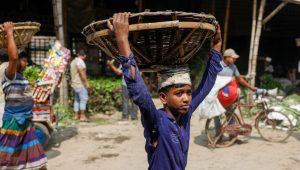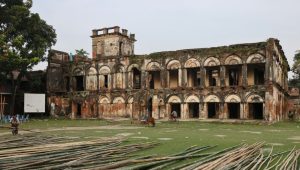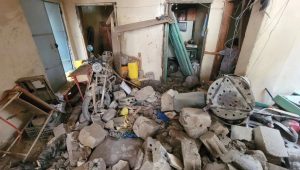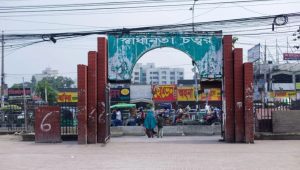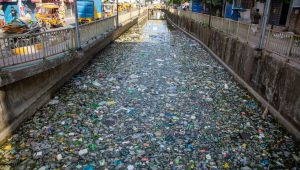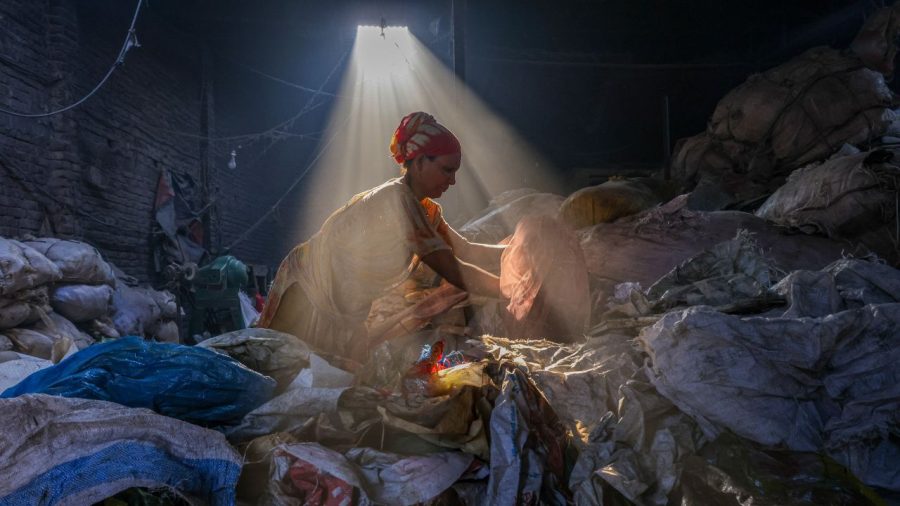



Along the banks of the Buriganga River in Kamrangir Char, Dhaka, women work long hours in factories and recycling facilities for low wages, often risking their health in unsafe working conditions.
Some women sort plastic and polythene for recycling, while others manufacture metal household utensils. Earning between Tk250 and Tk300 a day, they typically work 10 to 12 hours amid strong odours, dust, and industrial waste. Many lack adequate protective equipment, and some are forced to eat their meals at their workplaces.
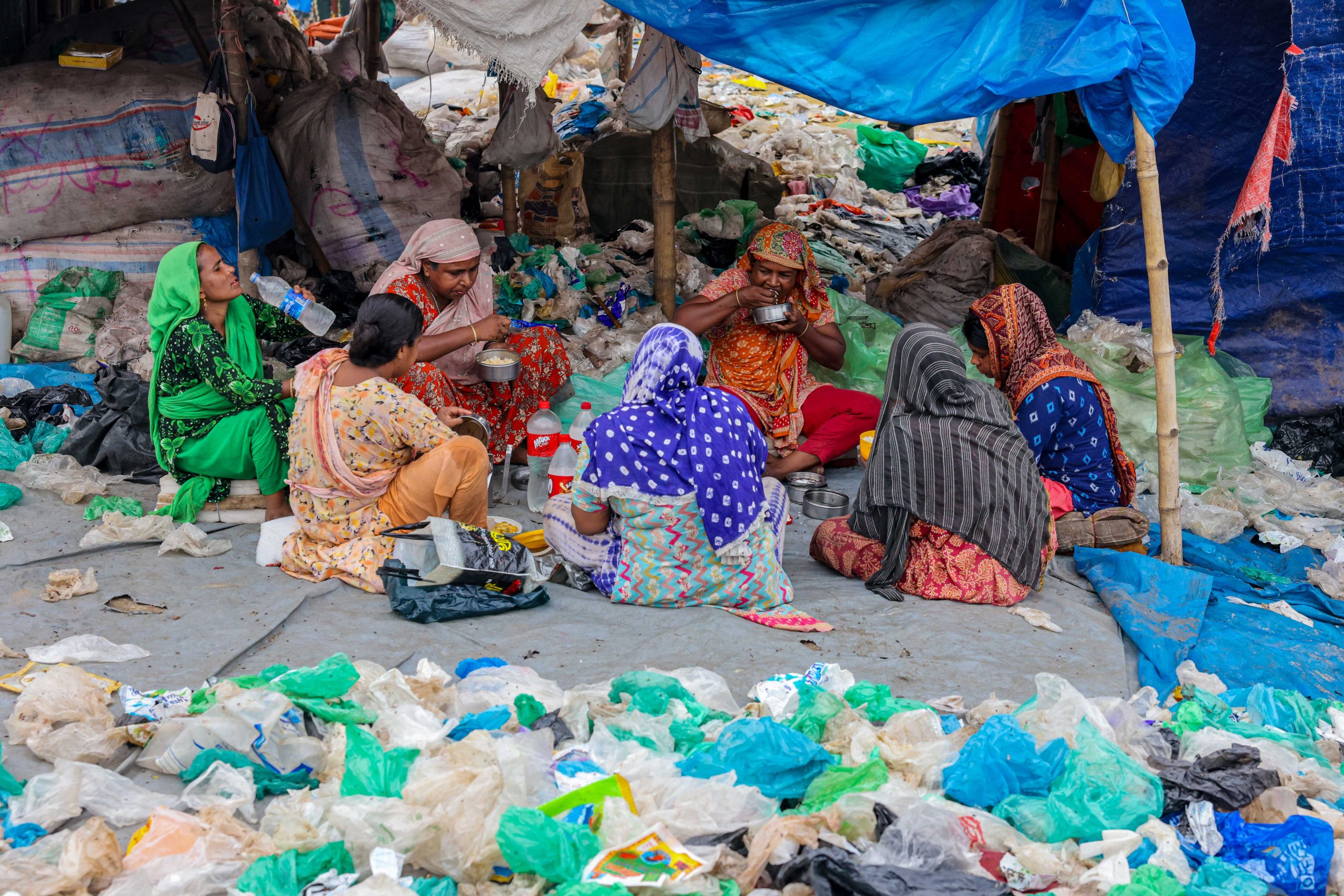
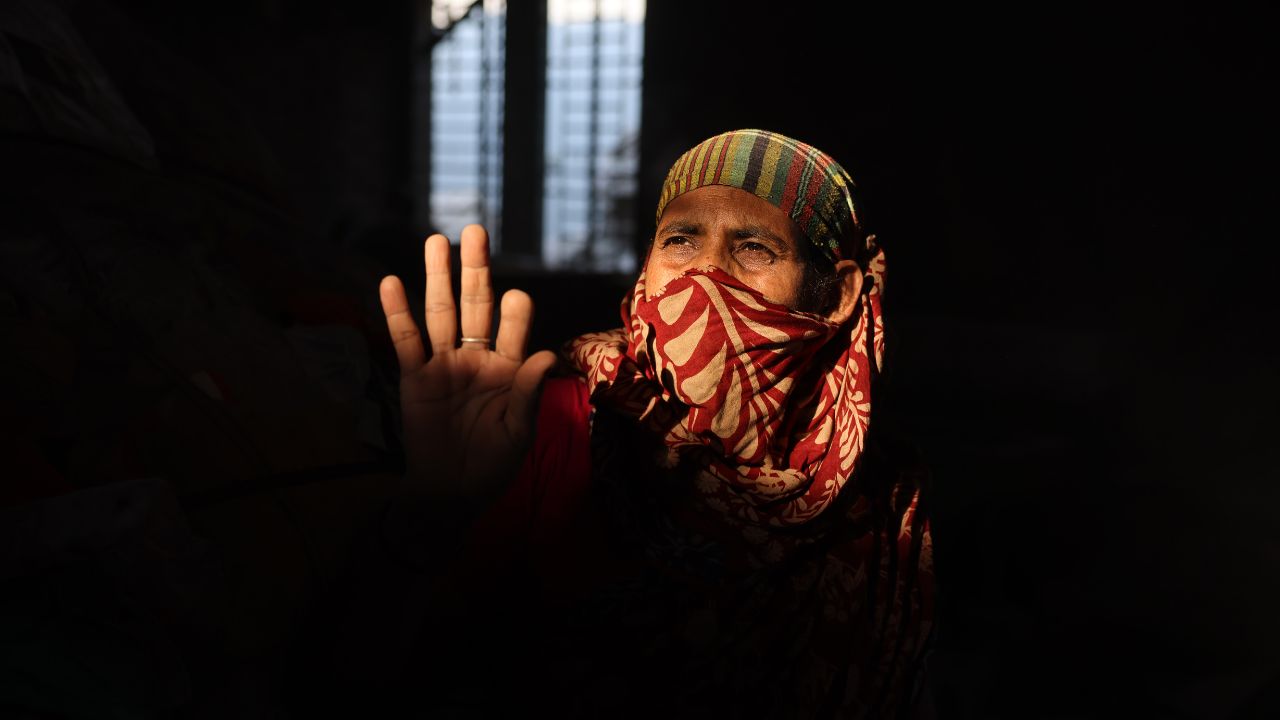
Years of exposure to these conditions have left some workers suffering from skin problems, itching, and breathing difficulties. They fear that worsening health could eventually force them to quit their jobs, threatening their livelihoods. Factory owners, meanwhile, replace workers who can no longer continue.

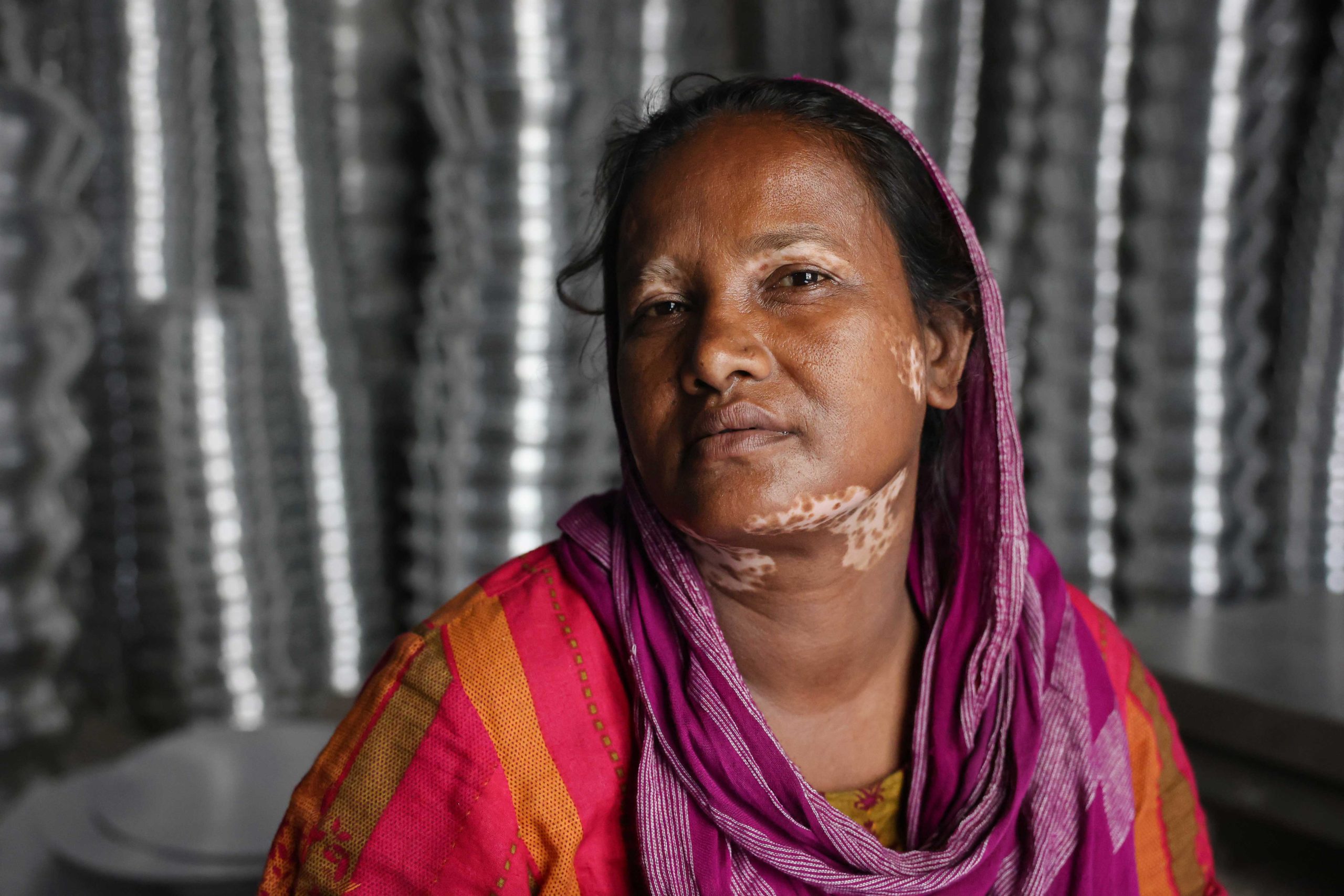
One woman who previously worked in a plastic factory has since joined a metal utensil factory. She has developed small white spots on her skin after experiencing itching. She does not know what caused it, but she suspects the chemicals and dust she has worked with for years.
Another worker, Shahinur, 40, lost a finger in a machine accident. She said she could not work for three to four years after the incident and received no financial assistance from the factory owner during that period. She has since returned to work, not because she has recovered, but because she has no other choice.




Dr Muhammad Mushtuq Husain, adjunct faculty member of the Department of Public Health at State University of Bangladesh and adviser to the Institute of Epidemiology, Disease Control and Research (IEDCR), stressed that factories of all sizes must comply with labour laws.
He warned that prolonged exposure to hazardous working conditions could make workers ill within 10 to 15 years, resulting in a loss of experienced workers. He urged the government to take action and workers’ organisations to raise their voices.
The Bangladesh Labour Act, 2006, contains provisions on working hours, overtime wages, and workplace safety. However, concerns remain about enforcement in these factories. For many women in Kamrangir Char, the law exists on paper, but not in practice.

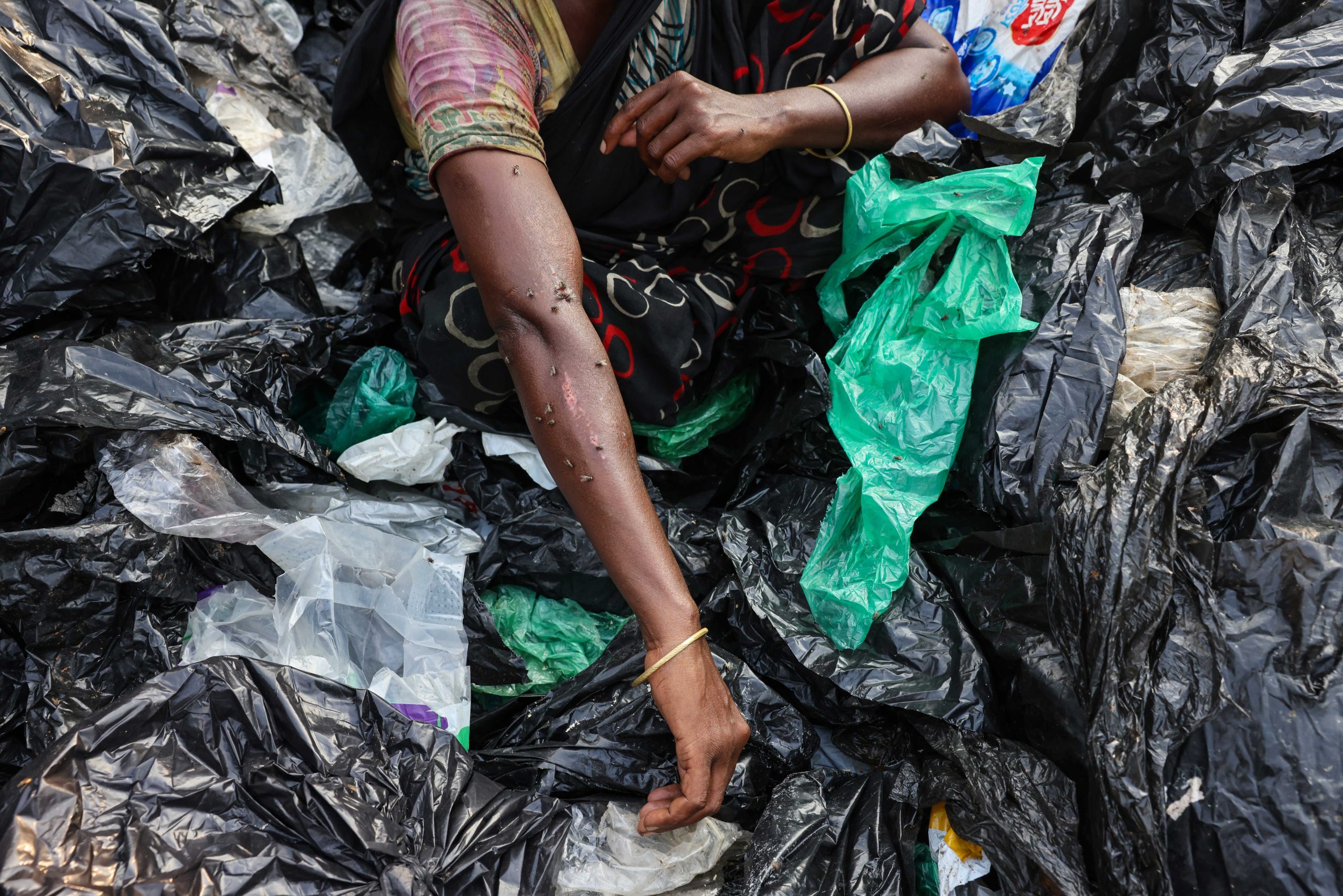
While these women contribute to production and recycling, inadequate safety measures and limited support after workplace accidents raise serious questions about workers’ rights. Ensuring protective equipment, safe machinery, hygienic workplaces, and proper assistance are essential so that earning a living does not come at the cost of their health.
For the women of Kamrangir Char, every day is a negotiation between survival and safety. They work because they must. They endure because they have no alternative. And they hope that someone will notice, that someone will act, and that the price of their livelihood will not continue to be their health.