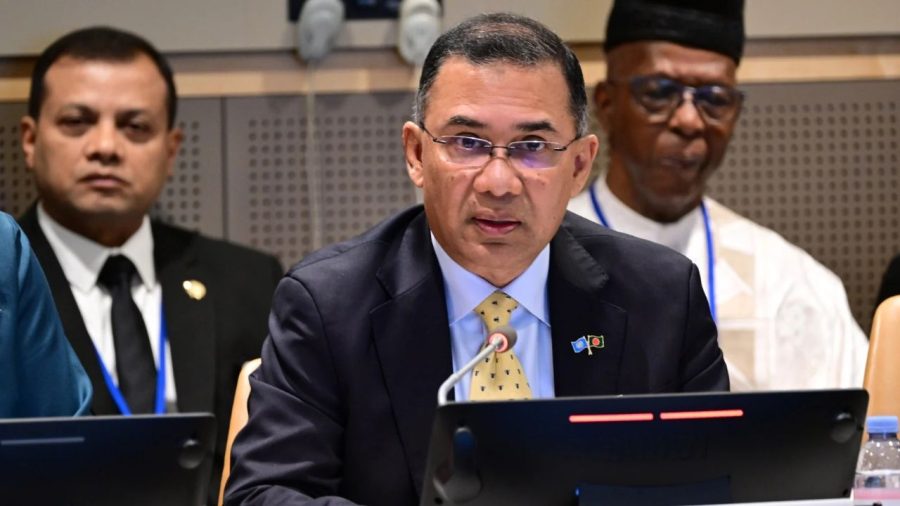



Addressing a high-level side event at the United Nations headquarters, Prime Minister Tarique Rahman proposed five urgent measures to resolve the Rohingya crisis.
He called on global stakeholders to establish a clear and credible roadmap for the early, safe, voluntary, dignified, and sustainable repatriation of the Rohingyas to Myanmar.
Emphasising the need for immediate international commitment, he pointed out that the time has come to shift from empathy to addressing root causes, from promises to action, and from managing displacement to ending it.
Five-point roadmap for repatriation
The Prime Minister outlined five key proposals aimed at achieving a durable solution to the protracted displacement:

- Clear repatriation roadmap: International and regional stakeholders must establish a clear, credible roadmap for safe and voluntary return while using their leverage to create conducive conditions within Myanmar.
- End to violence and protection of rights: Immediate cessation of violence against civilians – including the Rohingyas – and guaranteed protection of their fundamental rights and security in their homeland.
- Sustained humanitarian support: Adequate and predictable humanitarian support for both the displaced Rohingyas and host communities, ensuring host community development aspirations are not hindered by their hospitality.
- Justice and accountability: Comprehensive pursuit of accountability as an indispensable component of sustainable return, highlighting The Gambia’s case before the International Court of Justice as well as ongoing efforts by the International Criminal Court.
- Combating transboundary crime: Stepped-up regional and international cooperation to tackle the narco-economy, human trafficking, digital scams, and illegal arms smuggling.
Strains and security risks of prolonged displacement
Highlighting that Bangladesh shelters over 1.2 million Rohingyas, the Prime Minister emphasized that Bangladesh has carried its responsibility with humanity for over nine years.
Bangladesh continues to provide food, healthcare, and education through approximately 6,000 learning centers using the Myanmar curriculum, alongside skills training for Rohingya youth.




However, he cautioned that humanitarian generosity cannot serve as an excuse for political inaction, nor can Bangladesh shoulder this responsibility indefinitely amid declining global aid.
Prolonged displacement is giving rise to severe security challenges, including drug trafficking, migrant smuggling, and human trafficking, threatening broader regional stability.
A solution rooted in Myanmar
Underscoring that the Rohingya crisis originated in Myanmar, the Prime Minister affirmed that its ultimate solution lies within Myanmar.
He expressed deep concern over ongoing human rights violations in Rakhine State, where Rohingyas face forced recruitment, arbitrary detention, forced labour, and movement restrictions by both the Myanmar military and the Arakan Army.
Pointing out that these violations directly challenge the conditions required for safe return, he urged the international community to assume its responsibility with conviction.
Global mobilisation and multilateral support
Concluding his address, Prime Minister Tarique Rahman urged the global community to ensure that the Rohingyas’ future is defined not by persecution and expulsion, but by justice, dignity, and hope.
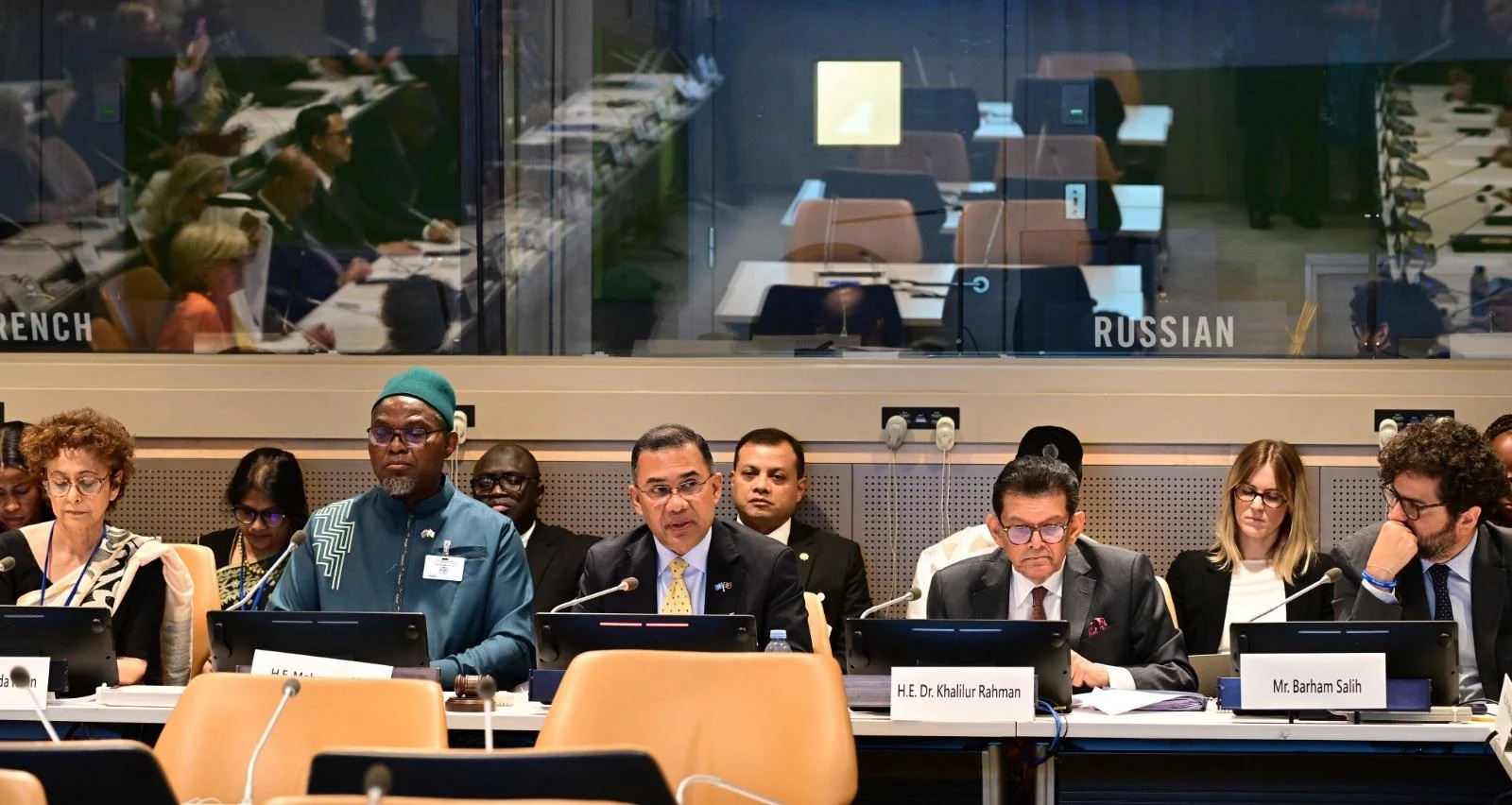
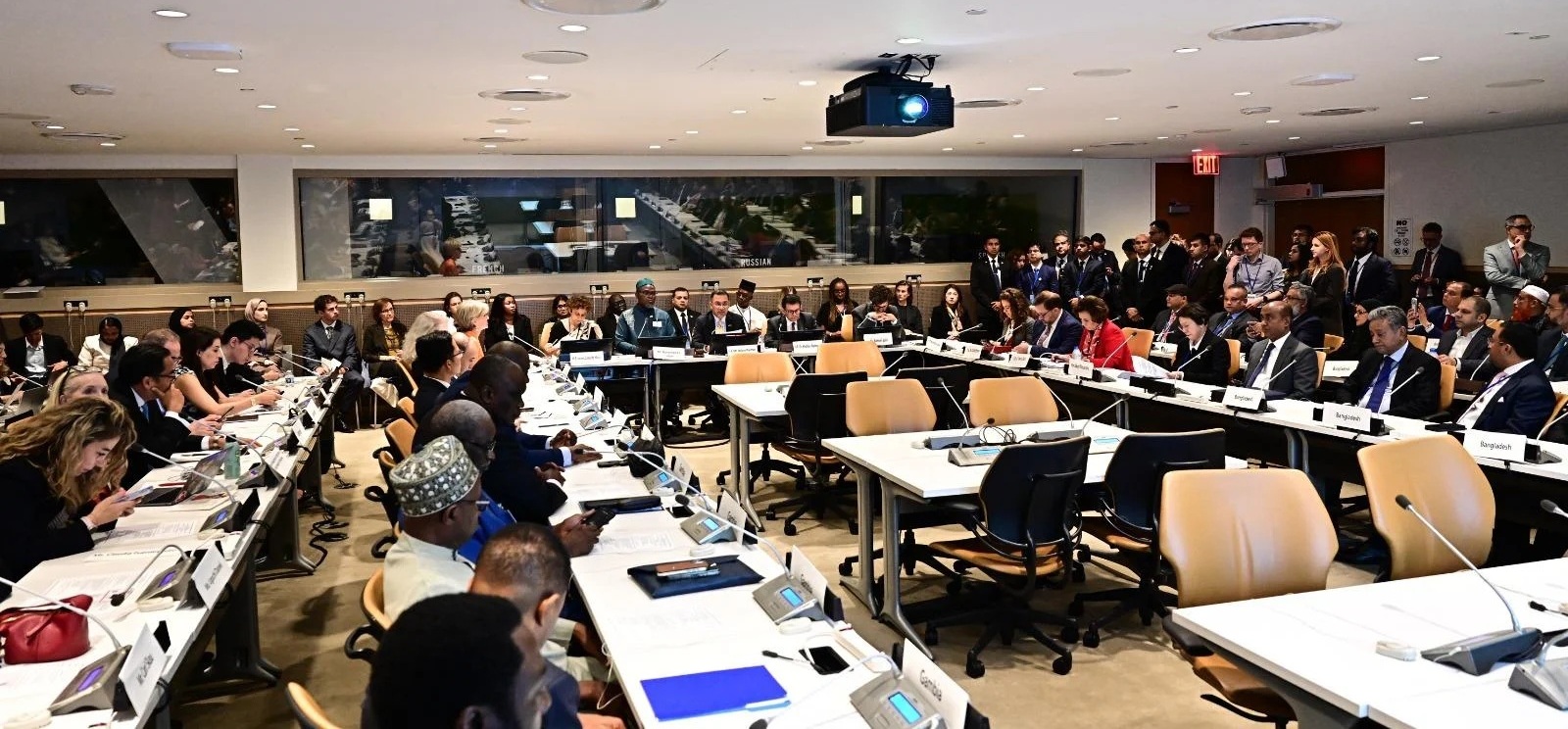
Co-convened by Bangladesh and The Gambia, the UN event gathered senior leaders and representatives from across the international community, including UN General Assembly President Dr Khalilur Rahman, Gambia Vice President Muhammad BS Jallow, UN Special Envoy Julie Bishop, and UN High Commissioner for Refugees Barham Salih.
Statements of support were also delivered by delegates from the European Union, Saudi Arabia, the United Kingdom, Türkiye, the OIC, the United States, Thailand, Australia, Malaysia, and key UN agencies.