
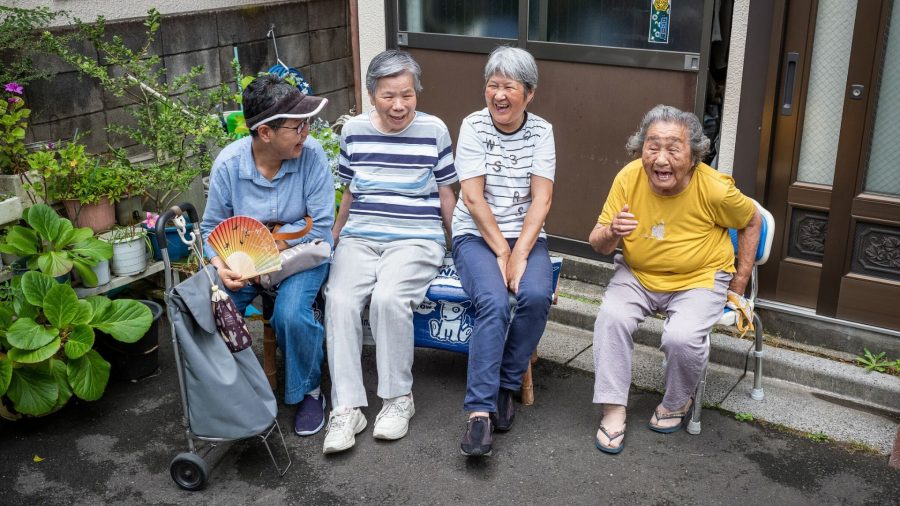



For decades, the standard formula for a long life has been treated like an exhausting second job with relentless workout routines and strict diets of joyless meals. Many believe that vitality must be earned through extreme sacrifice, constant self-deprivation, and endless willpower.
But Japan’s recent milestone of 1,07,677 living centenarians completely shatters this stressful Western dogma. It proves longevity isn’t won by making life harder; instead, it is the natural, effortless byproduct of an entirely different philosophy embedded in the quiet, invisible rhythms of everyday life.
One may ask: how did an entire nation make extreme ageing look so entirely effortless? The answers are hidden in plain sight; we just have to look past the norms of the global wellness industry and look towards the culture’s quietest daily traditions.
Japan has built an environment that makes physical activity an effortless part of daily life. Pedestrian-friendly cities and extensive use of public transport. The system requires walking, climbing station stairs, standing on platforms, and standing on trains, etc., creating a substantial Non-Exercise Activity Thermogenesis (NEAT). NEAT is the energy a person’s body burns from everyday movements that are not sleeping, eating, or structured exercise.

Instead of relying on sporadic, high-intensity gym workouts, this everyday movement supports cardiovascular health, joint mobility, and metabolic stability, showing how urban design can make physical activity a natural part of ageing. This active lifestyle is reinforced by a dietary structure that goes beyond the stereotype of rice and sushi.
The traditional ichi sanzi approach of one soup and three sides emphasises modest portions and diversity. These diverse, nutrient-dense foods include seasonal vegetables, fibre-rich seaweeds, and fermented foods.




In Okinawa, the traditional dietary principle of stopping when 80% full, known as Hara Hachi Bu, encourages natural portion control and reduces overeating. Blue Zones research associates this eating pattern with lower obesity and cardiovascular disease, shifting the focus from restrictive calorie counting toward balanced whole-food nutrition.
Physical activity and nutrition are further supported by psychological purpose through ikigai, or a sense of meaning and reason for living. Longitudinal research on Japanese cohorts found that people with a strong sense of ikigai had a 31% lower risk of functional disability and a 36% lower risk of dementia. A sustained sense of purpose may also reduce chronic stress, allostatic load, inflammation, and cardiovascular mortality.
However, longevity in Japan does not mean growing without illness; rather, it’s about learning to live with and manage age-related ailments while maintaining independence for as long as possible. Japan’s healthcare system emphasises regular medical monitoring, early detection, medical management, rehabilitation, and long-term care when necessary.
Older adults may continue living in their communities while adapting to conditions such as hypertension, arthritis, diabetes, hearing or vision loss, and other chronic illnesses. Family support, community services, assistive technologies, and accessible healthcare can help them manage these conditions without immediately losing their ability to perform everyday activities.
Ultimately, the Japanese approach refutes the notion that a long life is a prize reserved only for the genetically flawless or the aggressively disciplined. It suggests that longevity is a slowly crafted ecosystem where societal infrastructure, dietary intuition, and personal philosophy quietly conspire to protect the individual.
By shifting focus from individual perfection to collective harmony, this model offers a profound realisation that true vitality does not require a laundry list of restrictions. But rather, it flourishes when the world around us is designed to sustain us, proving that the art of living long is simply the art of living well.