
Saudi Arabia has temporarily shut its East-West oil pipeline after the vital conduit came under aerial attack, threatening to push energy prices even higher as the Middle East war widens.
The world’s largest crude oil exporter closed the 1,200-km (745-mile) pipeline as a precaution after a drone attack that Baghdad and Riyadh said originated in Iraq, where Iranian-backed militias operate. Iraq dismissed a military commander on Saturday in response to the attack.
The pipeline, which runs across the Arabian Peninsula, has helped Saudi Arabia bypass a shipping bottleneck in the Strait of Hormuz, where tanker traffic has slowed to a trickle during the six-month war between the United States and Iran.
The Saudi energy ministry said the pipeline had been shut as a precaution. It has been carrying 4 million to 5 million barrels of oil per day in recent months, equivalent to around 4 per cent to 5 per cent of global supply.
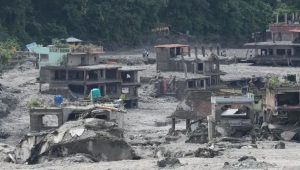
There was no immediate claim of responsibility for the attack. Satellite images showed black smoke rising from an area of the pipeline south of Medina. The Saudi foreign ministry said the attack caused some injuries and damage, which was still being assessed, but did not specify its impact on exports.

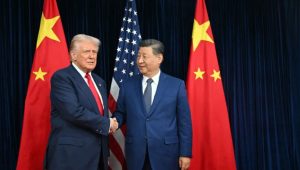
US President Donald Trump, visiting Ireland to attend a golf tournament at one of his resorts, said Iran was probably responsible. He added that the war he launched six months ago would probably end shortly after the US midterm elections in November, when oil prices would “come tumbling down”.
Oil prices have surged over the past week, while the retail price of diesel in the United States rose above $6 a gallon for the first time, setting a record.
Saudi Arabia’s de facto ruler, Crown Prince Mohammed bin Salman, phoned Trump last week to request US military assistance in fighting the Houthis, according to sources. Washington declined to intervene directly for now but offered intelligence support.




Trump confirmed on Saturday that he had spoken to the crown prince. He also said the Houthis had contacted his administration and asked Washington not to become directly involved in the conflict.
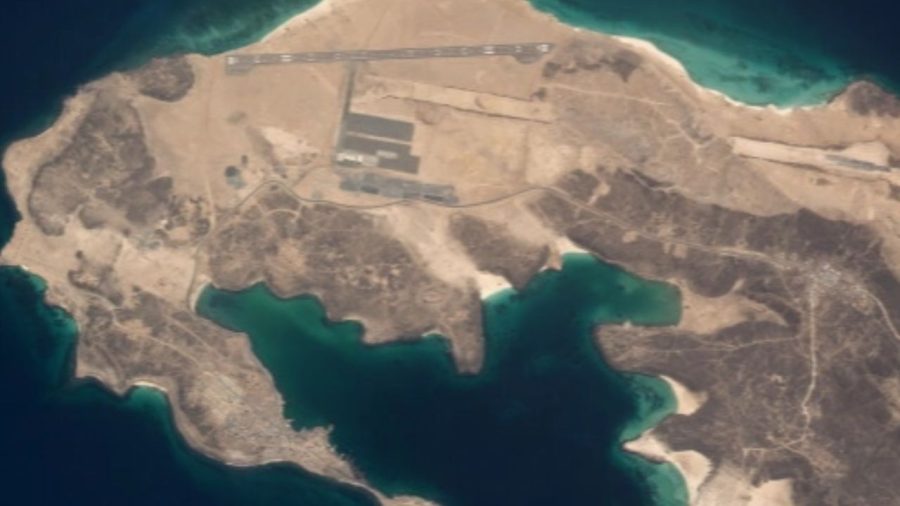
The reported attacks on Friday – on the pipeline and Perim Island – could represent a dangerous escalation as diplomatic efforts to end the war have stalled.
In a post on X on Saturday, Ebrahim Azizi, head of the Iranian parliament’s national security committee, said, “As long as the American side does not accept all of Iran’s conditions, dialogue and negotiation are of no use.”
Iran wants its control of the Strait of Hormuz to be recognised, allowing it to collect fees from ships using the waterway — a demand Washington rejects. Iran’s foreign ministry said on Friday that it would meet Gulf states in Oman on Monday to discuss the strait. Oman has yet to publicly confirm the meeting.
The dismissed Iraqi military commander had led operations in Maysan province, according to a statement from the Iraqi prime minister’s office. The province, which borders Iran in southeastern Iraq, has long been regarded as an area where Iran-backed Shia militias operate and maintain influence.
Saudi Arabia has so far refrained from retaliation following a request from the Iraqi prime minister, the Saudi foreign ministry said. However, it added that the kingdom reserved the right to “take all measures necessary” to protect its interests.
Iraq’s government condemned the attacks and ordered the closure of the Shalamcheh border crossing with Iran as a precaution, two security sources told Reuters. The crossing is a major route for importing vegetables and other food supplies from Iran.
Saudi crude supply fell to its lowest level in more than three decades, the International Energy Agency said on Friday, partly because of attacks on ships transiting the Bab el-Mandeb Strait by Houthi-linked groups.
Saudi-backed forces of Yemen’s southern-based government indicated they would seek to retake areas captured this week in a lightning offensive by the Houthis, who seized Yemen’s capital 12 years ago and withstood years of devastating Saudi airstrikes during the country’s civil war.
Two Iranian sources said Iran had instructed the Houthis to escalate attacks on Saudi Arabia and promised additional funding, weapons and senior officers. Iran describes the Houthis as an ally but publicly denies directing their military operations.
Houthi military spokesperson Yahya Saree said maritime navigation remained safe for all shipping except Saudi vessels, which are subject to a previously announced ban.