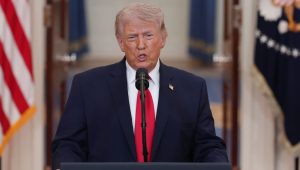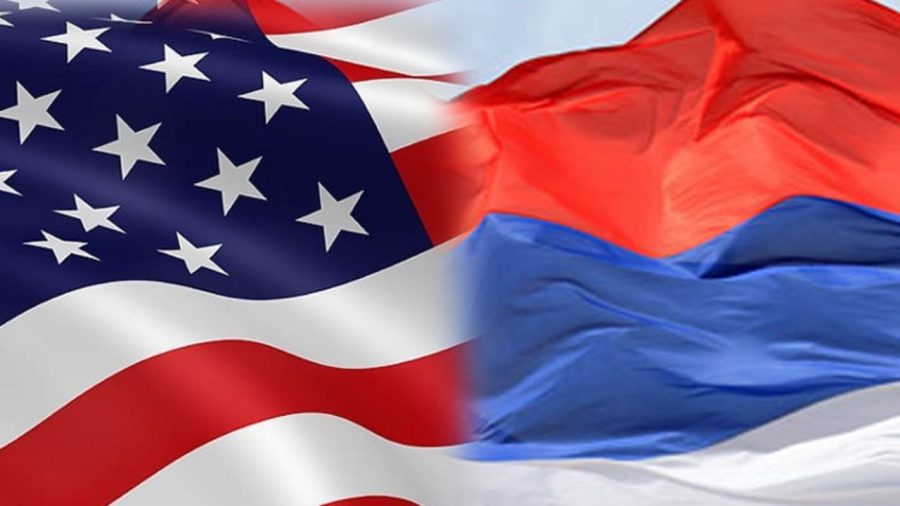

The US House of Representatives has passed a bipartisan bill imposing new sanctions on Russia over its ongoing war in Ukraine, sending the legislation to President Donald Trump after it cleared the Senate.
The legislation was mainly sponsored by the late Republican Senator Lindsey Graham of South Carolina and was named after him following his sudden death in July. Before his death, Graham played a key role in securing Trump’s support for the bill.
If enacted, the legislation will give the President the authority to impose tariffs of up to 100 per cent on countries importing energy from Russia, including China and India, in an effort to reduce the flow of funds to Moscow. It also includes sanctions targeting Russian officials, banks and “shadow fleet” tankers used to transport Russian energy.

Ukrainian President Volodymyr Zelensky had long pressed for the bill’s passage. He made a direct appeal to senators last month before the Senate approved the legislation.
Defying their party leadership’s position, 58 Democrats voted for the bill alongside the majority of Republican members. House Democratic Leader Hakeem Jeffries opposed the legislation, arguing that the new tariff powers granted to the White House could be used against US allies.


Speaking in the House of Representatives, Jeffries said, “As written, the bill does not make imposing sanctions on Russia mandatory for the President. It contains so many loopholes that the likelihood of the sanction provisions in the law being practically enforced is very low”.
The passage marks the first piece of legislation supporting Ukraine to clear the US Congress in more than two years.
Following the vote, Republican and Democratic members of the House and Senate celebrated the bill’s passage at a rare bipartisan press conference.
Democratic Senator Richard Blumenthal of Connecticut, who worked with Graham on drafting the bill, expressed hope that the sanctions would force Putin to the negotiating table and help bring an end to the war.
“To Vladimir Putin, we say, we know your moves. And to Ukraine, we say, you are not alone,” Blumenthal said.
President Trump is expected to sign the bill into law.