
Divergent approaches to information management by China and Nepal have shaped public perception following a catastrophic Himalayan flood that killed more than 1,400 people.
The disaster struck on 26 August after a glacial mountain collapse on the China-Nepal border triggered a tsunami-like surge of water, mud and debris across the region. The deluge left more than 5,650 people missing, including hundreds of foreign nationals, reports AFP.
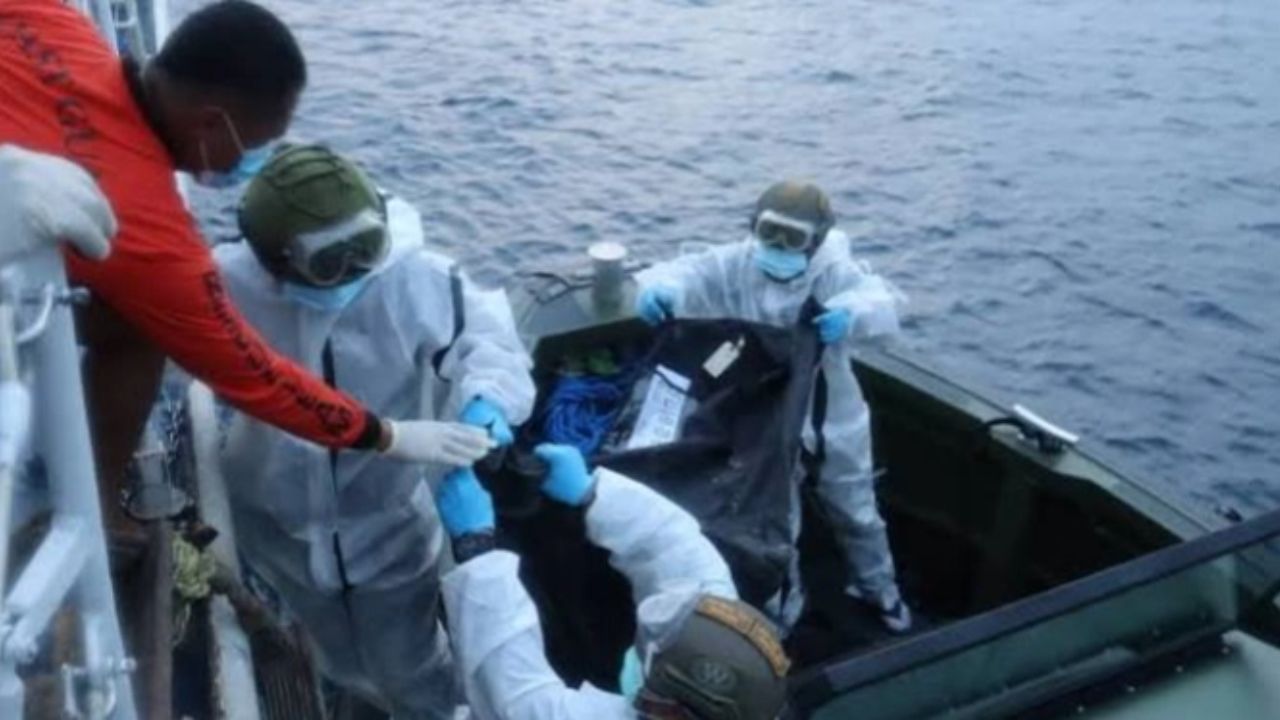
Official casualty figures released by the two countries show a stark disparity, with the vast majority of victims reported in Nepal. Nepal’s disaster agency said on Thursday that rescue teams had recovered 1,369 bodies, while around 5,132 people remained missing. In contrast, Chinese state media reported 43 deaths and 519 people missing.
Observers said the wide gap reflects differences in the disaster’s geography and physical scale. The glacial collapse occurred downstream in Nepal, generating a debris-laden wave so powerful that it destroyed China’s high-altitude border post in tightly restricted Tibet before cutting a path of destruction through Nepal. On the Chinese side, bodies may have been swept downstream or buried under thick layers of mud and debris, making recovery impossible.
Following the disaster, both governments moved against fabricated online posts. However, Beijing imposed significantly tighter measures to suppress eyewitness video footage and penalise people who questioned official figures.
Rights groups said the crackdown follows a familiar pattern in China. The Ministry of Public Security confirmed that authorities had penalised 10 people accused of spreading false information online, including individuals who suggested the actual death toll was higher than official figures.

Eyewitness videos, including footage verified by AFP showing the deluge engulfing Gyirong Port, the border post with Nepal, have largely disappeared from the Chinese internet. Other eyewitness material has also been removed.
Instead, Chinese social media platforms including Douyin and Weibo have carried extensive state media coverage highlighting emergency workers’ recovery efforts in Tibet, while largely omitting the names of those missing and showing little footage of victims’ families. Foreign journalists do not have unrestricted access to Tibet.
Beijing’s foreign ministry defended its handling of information, saying the release of information had been “open, transparent and timely”, while accusing critics of “malicious smearing and sensationalism”. The ministry also arranged a visit for a small group of foreign media representatives to the disaster’s epicentre in Tibet.
Aleksandra Bielakowska, a Taipei-based advocacy manager for Reporters Without Borders (RSF), said Beijing’s restrictions had created an “atmosphere of mistrust”.
Nepal, meanwhile, maintained a relatively transparent approach despite putting pressure on social media platforms and news outlets to remove fabricated visuals, including material debunked by AFP fact-checkers.
Celia Mercier, head of RSF’s South Asia Desk, said Nepal “largely treated misinformation as a problem within an otherwise relatively open information environment”.
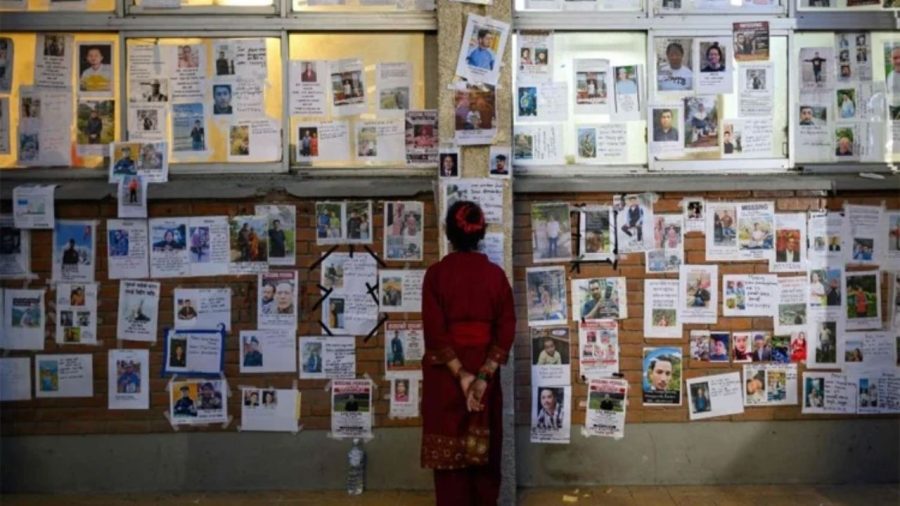
Kathmandu has provided regular updates on the death toll through social media, while direct accounts from victims’ families have remained widely accessible both online and offline.
Umesh Shrestha, chair of the independent regulatory body Press Council Nepal, said the organisation had asked more than 100 social media accounts to remove content, with most complying. He noted that “things can spread very quickly”.
Nepali police also arrested a man accused of sharing a fabricated donation appeal for a relief fund in an effort to promote his personal account.
The disaster occurred shortly before the first anniversary of anti-corruption protests that ousted Nepal’s previous government. The movement was initially triggered by a social media ban.
To tackle digital distortions, Nepali authorities held discussions with technology companies Meta and TikTok to speed up the removal of AI-generated content, graphic images and fraudulent aid schemes. Both Meta and TikTok pay AFP to fact-check posts containing potentially false information.
Rabi Raj Baral, a Nepali investigative journalist and member of Press Council Nepal, said, “during disasters, public panic is high”.
Authorities in both Nepal and China also targeted posts sharing genuine footage, alongside fabricated material.
AFP fact-checkers have debunked dozens of claims related to the floods across several languages. One video widely circulated on Facebook and X as footage of the glacial mountain collapse was actually recorded at Alaska’s Columbia Glacier days before the disaster.
Other manipulated footage generated using Google’s AI tools showed water breaching a riverbank and flooding streets, attracting tens of thousands of interactions.
While AFP fact-checkers found that flood-related misinformation was largely absent from Chinese platforms, conspiracy theories spread widely abroad.
Posts circulated from Canada to South Korea alleged that China had lied about the death toll and that its dam construction projects were responsible for the disaster, despite scientists confirming that a glacial collapse in Nepal caused the catastrophe.
Online critics also pointed out that the overwhelming majority of people reported dead or missing by both governments were in Nepal.