

Bangladesh has made significant investments in roads, bridges, technology and other physical infrastructure. These investments are essential for economic growth. But the development of a nation cannot be measured only by its infrastructure. The long-term strength of Bangladesh will ultimately depend on the quality, character, creativity, skills and social responsibility of its people, particularly its young generation.
For this reason, Bangladesh needs to invest far more seriously in culture, sports and extracurricular activities. Drama, music, dance, debate, literature, painting, sports, games, photography, filmmaking, science clubs, public speaking, scouting, volunteering, environmental activities, robotics, programming, quizzes and community service should no longer be treated as optional entertainment. They should be recognised as essential components of education and human development.
Bangladesh has a large young population, making this issue particularly important. Adolescence and early youth are critical periods when habits, attitudes and behaviour are formed. Young people who lack constructive opportunities outside the classroom can become vulnerable to excessive mobile-phone use, social-media dependence, gambling, smoking, drug abuse and other harmful activities.
Simply telling young people to avoid these behaviours will not be enough. Society must provide meaningful and attractive alternatives. Drug abuse among young people is already a serious concern. A 2024 study published in BMC Public Health, involving 1,485 university admission test-takers in Bangladesh, found that 10.1 percent reported drug use during the previous 12 months, while 20.8 percent reported smoking. The researchers identified the transition from adolescence to youth as an important period for the development of unhealthy behaviour.
Extracurricular activities alone cannot eliminate addiction. Effective prevention also requires counselling, treatment, family support, public awareness and proper law enforcement. However, keeping young people meaningfully engaged in sports, culture, creativity and community activities can become an important part of prevention. Bangladesh should therefore make extracurricular participation an integral part of education from primary school to university. Every school and college should have functioning sports teams, cultural clubs, debate societies, reading clubs and science clubs. Universities should provide opportunities for theatre, music, film, photography, literature, arts, sports, technology and volunteering.

A student should be able to finish classes and have somewhere meaningful to go. Unfortunately, opportunities remain highly unequal. Some well-funded urban institutions have debating societies, cultural programmes and sports facilities, while many rural and disadvantaged institutions struggle to provide even basic extracurricular opportunities. This inequality should be addressed through targeted government investment.
The proposed 2026–27 national budget allocated Tk. 826 crore to the Ministry of Cultural Affairs, while the total proposed national budget was approximately Tk. 9.38 lakh crore. This means that culture continues to receive less than 0.1 percent of the national budget. Bangladesh should gradually increase public investment in culture and youth development. A reasonable medium-term objective could be to raise cultural expenditure towards 0.5 percent of the national budget, while ensuring that a significant proportion directly supports children and young people’s participation.



Additional funding should not be spent only on buildings and ceremonial programmes. It should finance real activities. Schools and colleges could receive annual extracurricular grants based on student numbers and the programmes they provide. Funding could support sports equipment, musical instruments, theatre productions, debate competitions, science fairs, libraries, art materials, computers, robotics clubs, photography, filmmaking and community-service projects.
The government could establish a national programme called ‘One Institution, Many Activities.’ Every educational institution should offer a minimum range of extracurricular opportunities, including sports, cultural activities, debate, science and community service, while adapting programmes to local needs and resources.
Sports deserve particular attention. Football, cricket, athletics, swimming, volleyball, badminton, table tennis and traditional games can improve physical and mental well-being while teaching discipline, teamwork and perseverance. Sports should not be restricted to annual competitions. Students need regular opportunities for physical activity throughout the academic year. Cultural activities are equally important. Theatre develops confidence and communication skills. Debate teaches students to analyse evidence and disagree respectfully. Music and dance nurture creativity. Literature and reading strengthen imagination and language. Painting and photography encourage observation and artistic expression. Filmmaking and digital storytelling can transform young people from passive consumers of online content into active creators.
Science and technology activities should also be expanded. Science clubs, coding, robotics, innovation competitions and environmental projects can encourage young people to solve practical problems rather than spending excessive time consuming purposeless online entertainment. Community service should become another important part of student life. Young people could participate in tree planting, cleanliness campaigns, disaster preparedness, environmental protection and assistance programmes for elderly and vulnerable people. Such activities can develop empathy and civic responsibility.
International experience provides useful lessons. Iceland’s youth-prevention approach has emphasised organised sports, cultural activities, family involvement and safe opportunities for young people to spend their free time. Norway has also promoted access to leisure, sports and cultural opportunities, recognising their importance for social inclusion.
Bangladesh does not need to copy these countries, but it can adapt the underlying principle: young people are less likely to become involved in destructive behaviour when they have meaningful opportunities to learn, participate, create and belong.
Every school, college and university should aspire to become a drug-free, violence-free and inclusive environment. But prohibition alone cannot achieve this objective. Educational institutions need counselling services, awareness programmes, confidential support for students facing addiction, trained teachers and meaningful extracurricular opportunities. Mobile-phone dependence presents another major challenge. Digital technology is indispensable for education and communication, and banning smartphones is neither realistic nor desirable. The objective should be to create balance. If students have attractive sports grounds, cultural clubs, libraries, laboratories, debate societies and community programmes, they will have stronger reasons to spend less time on purposeless screen activity.
Parents must also recognise that education is more than examination results. Excessive pressure for grades can leave little space for creativity, sports and social development. Schools should celebrate achievements in cultural, sporting, scientific and community activities alongside academic success. The private sector and civil society can also contribute. Companies could sponsor school sports, cultural festivals, libraries and youth innovation programmes, while cultural organisations, universities and NGOs could provide mentors, trainers and technical support.
Ultimately, Bangladesh should judge its investment in young people not only by examination results or employment statistics, but also by whether young citizens are becoming healthy, creative, confident, disciplined and socially responsible. A student who learns to debate learns to think critically. A student who plays in a team learns cooperation. A young actor develops confidence. A volunteer learns compassion. A musician develops creativity. A science-club member learns to experiment. An athlete learns discipline. These qualities cannot be produced by textbooks alone.
Bangladesh’s development agenda must therefore give culture, sports and extracurricular education a much higher priority. If the country wants to reduce drug abuse, excessive screen dependence and other harmful behaviours among young people, it must offer them something better: opportunities to learn, create, compete, perform, serve and belong. Investing in culture and extracurricular activities is ultimately an investment in the kind of nation Bangladesh wants to become.
The views expressed in this article are solely those of the author
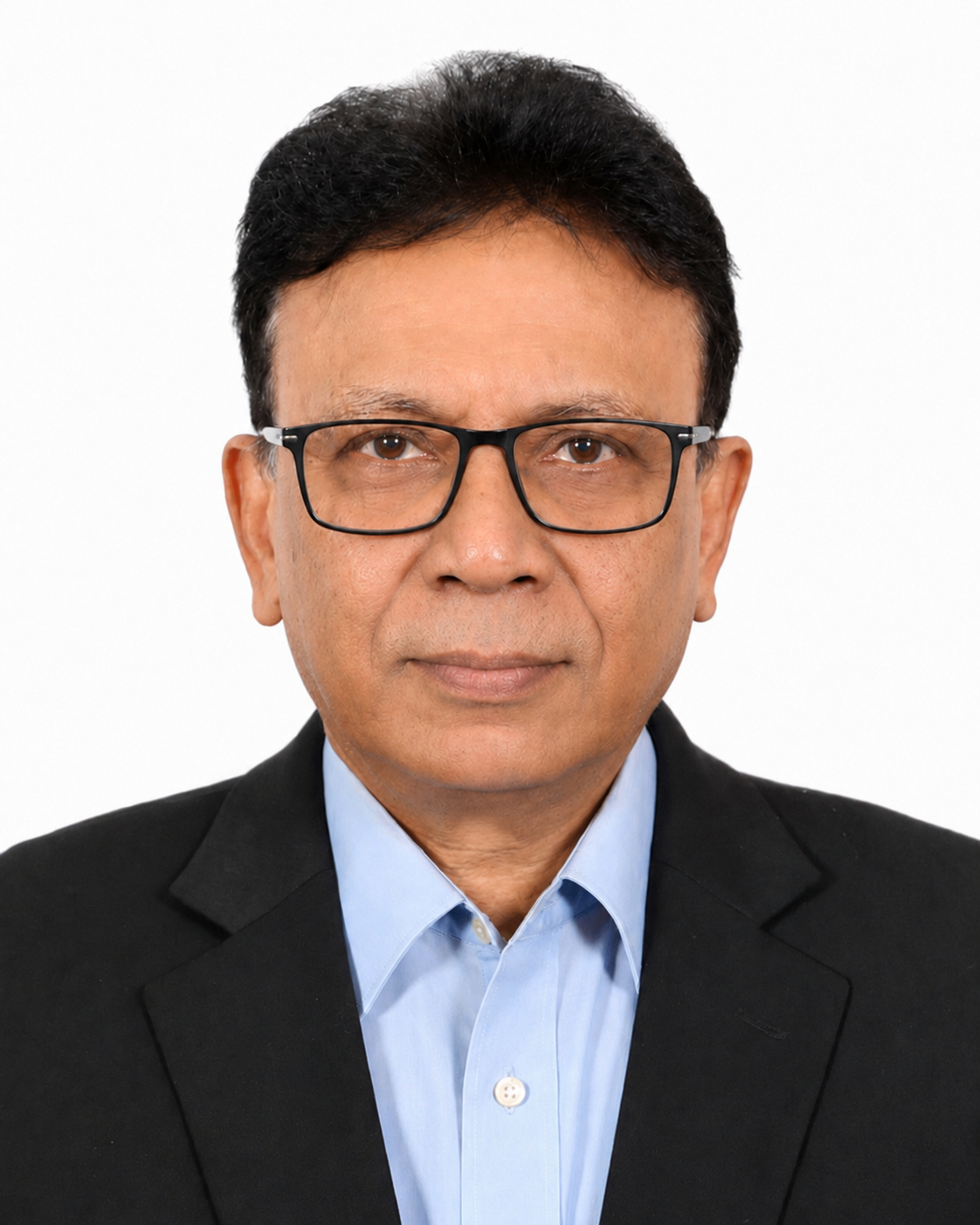
The writer is the Editor and CEO, News Network