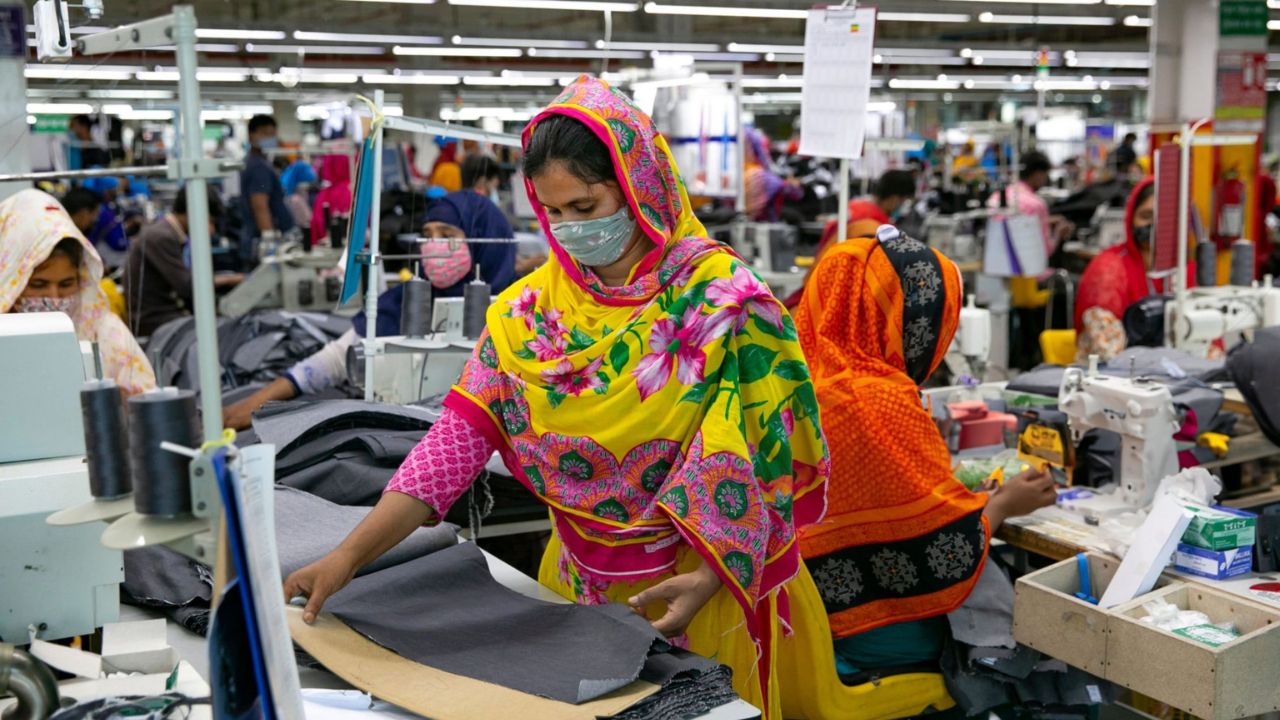



Bangladesh’s ready-made garment (RMG) sector is facing rising cost pressures, with production expenses increasing by nearly 40 per cent over the past three years due to higher energy prices, increased bank interest rates and wage hikes.
Seeking government support, garment manufacturers raised the concerns at a meeting with President Mirza Fakhrul Islam Alamgir on Wednesday.
Leaders of Bangladesh Garment Manufacturers and Exporters Association (BGMEA) said the country’s largest export industry is grappling with gas shortages, weaker exports, declining investment and factory closures, threatening operations and global competitiveness.
BGMEA President Mahmud Hasan Khan told the President that severe gas shortages had forced many factories to operate at less than half their production capacity, raising the risk of losing export orders as buyers demand timely delivery.
The association said garment exports declined by 1.64 per cent in FY2025-26 and by 1.92 per cent in July of FY2026-27. Lower imports of capital machinery also pointed to weaker investment in new capacity.

According to BGMEA, around 400 garment factories have shut down over the past three years due to higher production costs and order shortages.
Energy, financing and trade support sought
Energy security topped the exporters’ demands, with BGMEA seeking two additional floating storage regasification units (FSRUs) to expand LNG supply capacity and ensure uninterrupted industrial gas supply.
The association said reliable gas supply is critical, as production losses directly affect shipment schedules and buyer confidence. It also called for the removal of duties and taxes on LNG imports and greater stability in fuel prices to help businesses plan investment and production.
For smaller factories, BGMEA requested priority gas connections for units with 150-500 kg boiler capacity, along with low-cost financing for solar power adoption to reduce long-term energy dependence.




The exporters also sought faster implementation of the Dhaka-Chattogram Expressway, temporary expansion of cargo facilities at Hazrat Shahjalal International Airport, and early completion of the Bay Terminal and Matarbari Deep Sea Port projects.
They said improved logistics would reduce shipment delays, lower transportation costs and strengthen Bangladesh’s position in global apparel markets.
On financing, BGMEA called for lower interest rates on working capital and trade loans, saying higher borrowing costs have increased manufacturers’ burden amid rising production expenses.
It also proposed a specialised post-shipment financing scheme and higher allocations to the Green Transformation Fund and Technology Development Fund to support technology upgrades and sustainable production.
Exporters prepare for post-LDC competition
BGMEA also sought measures to improve the ease of doing business, including a simpler and more predictable customs bond audit process. The association requested the resumption of yarn imports through Benapole land port, saying faster access to raw materials would help reduce production delays.
With Bangladesh approaching LDC graduation, BGMEA urged the government to step up trade diplomacy to secure market access.
It called for faster negotiations with the European Union on a free trade agreement and greater efforts to pursue free trade, preferential trade and economic partnership agreements with major trading partners.
The association also proposed allocating land in Gazipur for a modern hospital and welfare centre for garment workers, along with a formal policy framework for the jhut (garment waste) trade.
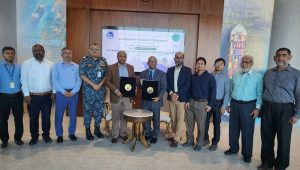
The BGMEA delegation was led by President Mahmud Hasan Khan and included Senior Vice President Inamul Haq Khan, First Vice President Salim Rahman, Vice Presidents Md Rezwan Selim, Mijanur Rahman, Vidiya Amrit Khan, Md Shehab Udduza Chowdhury and Mohammad Rafique Chowdhury.
During the meeting, BGMEA leaders highlighted the contributions of late President Ziaur Rahman to the growth of the garment sector and former Prime Minister Khaleda Zia’s role in keeping the industry unaffected by political shutdowns.
President Mirza Fakhrul Islam Alamgir described the garment industry as a key pillar of Bangladesh’s economy and assured the delegation that the government would work with relevant ministries and agencies to address the sector’s challenges.
He said maintaining Bangladesh’s position in the global apparel market remained a priority and assured industry leaders of policy support for sustainable growth.