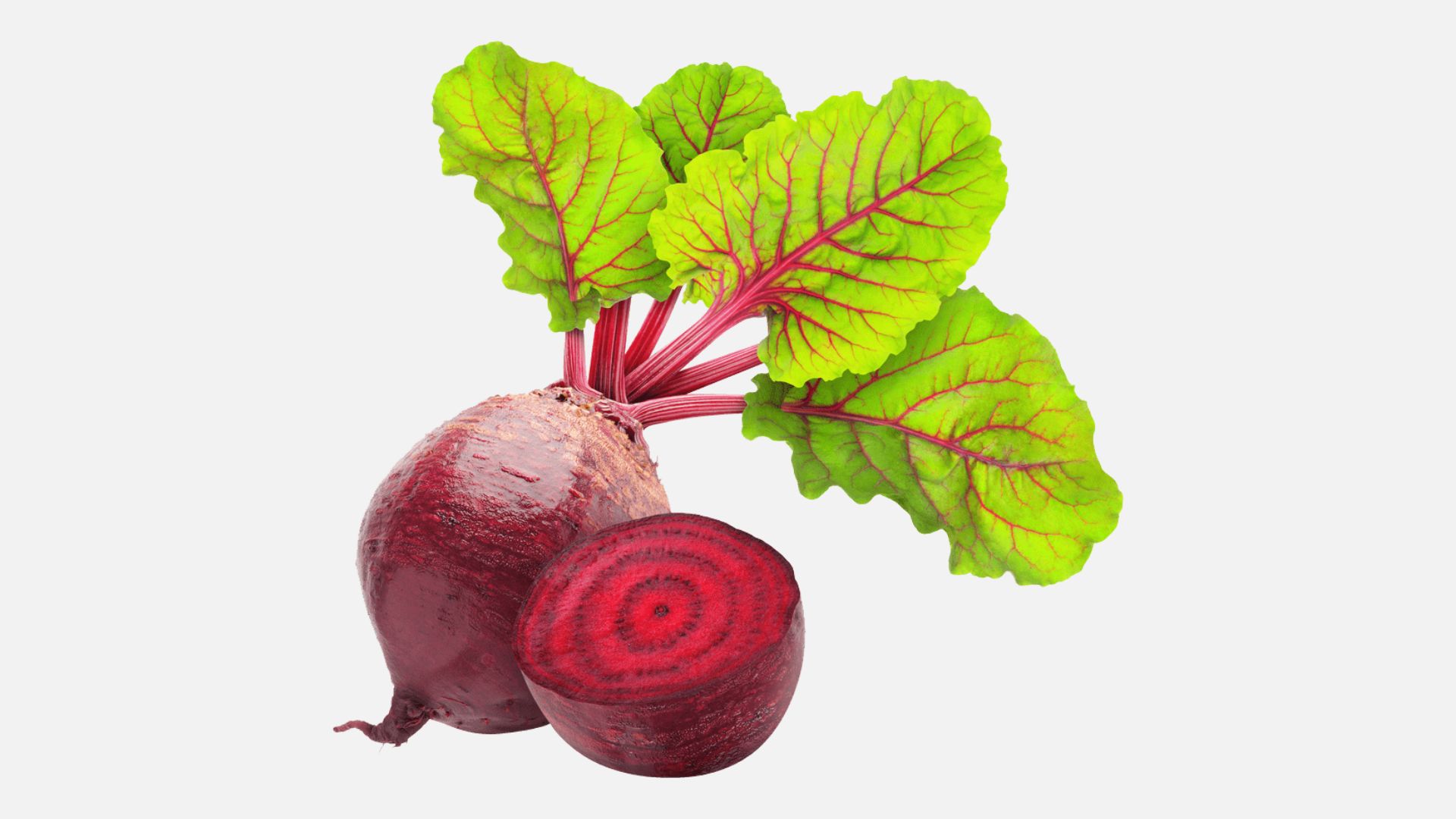



Beetroot (Beta vulgaris) has long been a familiar presence in kitchens across the world, celebrated for its deep red-purple hue and earthy, sweet flavour. Cultivation of beets dates back to ancient Mesopotamia, with records from as early as the ninth century BC in the eastern Mediterranean and the Middle East. From there, it travelled along ancient trade routes, reaching India during classical times and China around 850 AD.
The beetroot we know today, however, is not quite the same as its earlier ancestors. The original beets were thin-rooted and cultivated primarily for their leaves. It was not until the 16th century that the large, swollen roots we now associate with beets were clearly documented. Over time, farmers selectively bred plants with larger roots, eventually giving rise to the round, colourful varieties found in modern markets.
Once regarded primarily as an inexpensive and versatile food source, beetroot has gained renewed popularity in contemporary wellness culture. This adaptable root vegetable can be enjoyed in numerous ways: Tossed into salads, blended into soups, juiced as a refreshing drink, or simply mashed with garlic and olive oil to create a flavourful dip.
Rich in dietary nitrates, beetroot is known to support the production of nitric oxide in the body, which promotes relaxation of blood vessels and improved blood flow. As a result, it has attracted considerable attention from those focused on heart health. Studies suggest that beetroot may help support healthy blood pressure when included as part of a balanced diet, though it is not a substitute for prescribed medication. Beetroot also provides a valuable source of folate, potassium, manganese, and fibre, making it a nutritious addition to daily meals.
Beyond its nutritional value, beetroot is remarkably versatile in the kitchen. It can be roasted until tender, boiled, steamed, or grated raw into salads. A curious but harmless side effect of consuming beetroot is beeturia: A temporary red or pink discolouration of urine and stools caused by its natural pigments, which is generally nothing to worry about.
Beetroot stands as a testament to the healing power of simple, plant-based foods. Whether featured in traditional recipes or modern wellness routines, it offers more than just vibrant colour; it brings flavour, nutrition, and a natural boost to everyday life. In an era increasingly focused on mindful eating and well-being, beetroot remains a compelling choice for those seeking to add a little extra goodness (and a lot more colour) to their daily diet.