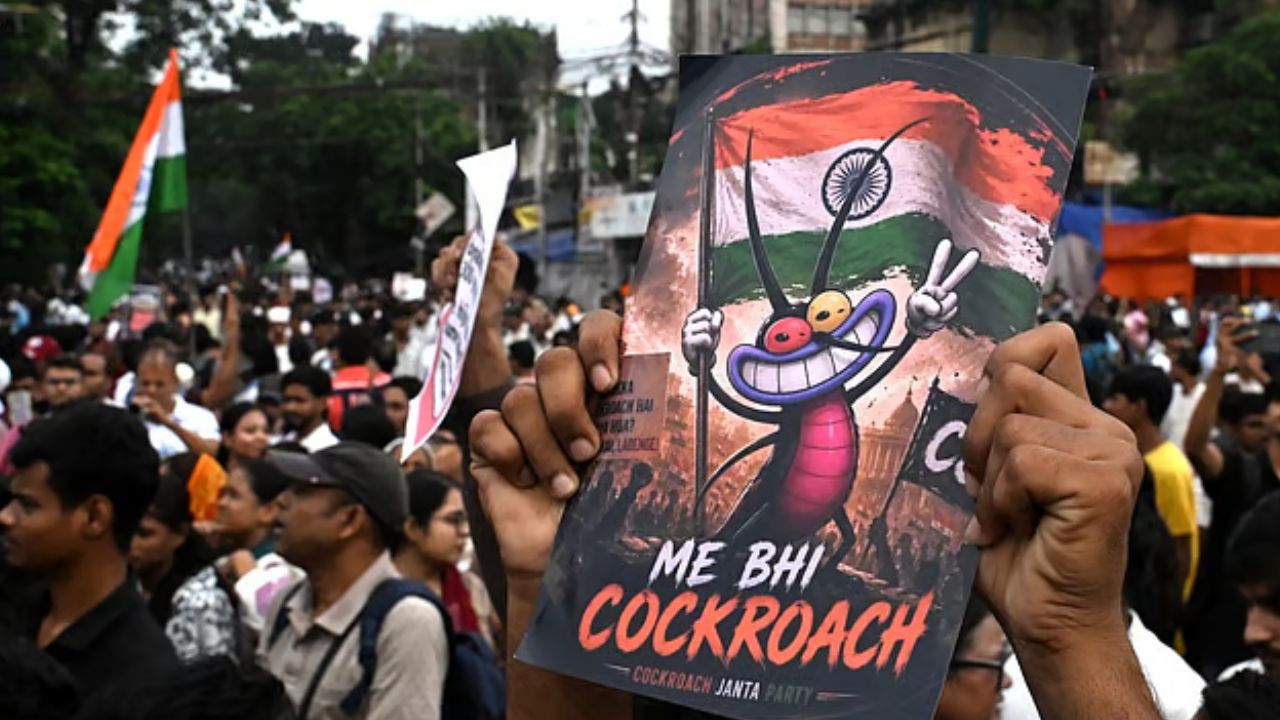



The Cockroach Janta Party (CJP), a youth‑driven group that led the month‑long agitation over the NEET paper leak, has made clear that it is not rushing into full‑time politics despite speculation about its future.
Although some leaders have kept the possibility of political careers open, the group’s current priority is to build grassroots activism and make sure young people’s voices are heard.
The protest, beginning from 20 June at Delhi’s Jantar Mantar, ended in the resignation of Indian Education Minister Dharmendra Pradhan. His departure marked a rare instance of a senior minister stepping down during Prime Minister Narendra Modi’s tenure, the only other example being MJ Akbar in 2018 amid the #MeToo movement.
For the protesters, Pradhan’s resignation was a symbolic victory, showing that sustained pressure could force accountability at the highest levels.
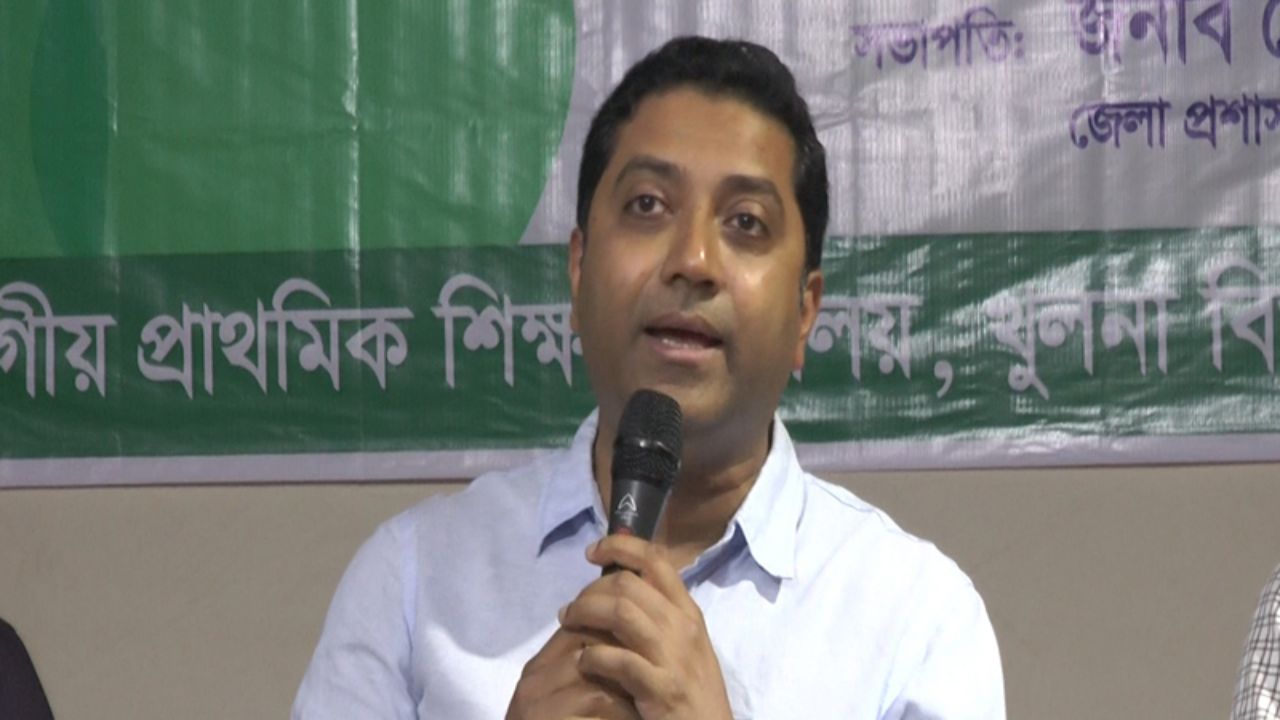
In an interview with NDTV shortly after the Indian government accepted key demands, CJP spokespersons Ashutosh Ranka and Saurav Das reflected on the journey, the toll it had taken, and the road ahead. However, Ranka admitted exhaustion after weeks of relentless campaigning.
He told NDTV: “The only thing on my mind is to go home and sleep, get some rest, and meet my family. I have been away from home for the last couple of months and I really want to just relax, just reflect on all that has happened in the last two months. I think it’s overwhelming for all of us. It is a moment for pride. It is a moment to be really happy, to be relieved. And after that, we will see how it goes.”

When asked directly about politics, he replied, “Never say no to anything in India is what I feel.”
Saurav, however, was more categorical. He stressed that politics was not the group’s immediate objective. “Right now our focus is very clear — this movement has to go to the grassroots. There are 750–800 political parties already, none of them able to fulfill the wishes of the youth.”
He explained, “We want to take this movement to the grassroots so that whichever party or leader is in power, they will be compelled to work for the youth and fulfill their demands. That is our agenda right now.”




The remarks came against the backdrop of Pradhan’s resignation. In his statement, the minister said the developments of the past 10 days had “saddened” him deeply.
He insisted the issue was not about personal prestige, but about ensuring that “the unity of the nation remains intact” and that “the future of even a single student should not become entangled in legal complications.”
He also warned against “anti‑national forces” exploiting the situation. His resignation underscored the seriousness of the controversy and the government’s desire to defuse tensions.
Unusual origins of the CJP’s protest
Initially conceived as a satirical online campaign in May, it quickly grew into one of the largest youth‑led movements in recent years. Former AAP functionary Abhijeet Dipke played a central role, and the involvement of activist Sonam Wangchuk, who joined the protest on 28 June and ended his hunger strike on Thursday, gave the agitation fresh momentum.
Negotiations with the government began on 20 July, with subsequent rounds held at the Constitution Club after protesters demanded a neutral venue.
The final meeting, attended by BJP president JP Nadda and Union Minister Jitendra Singh, focused on remaining demands, including the withdrawal of criminal cases against demonstrators.
About the final talks with the government, Ranka said that the education minister’s resignation had already happened by the time they reached. The discussion was mostly centred around the remaining two demands. Very soon the agreement was reached, and all of the protesters decided to end it in a cordial way.
“We appreciate the gesture from the government to accept the demands the way we wanted them,” he added.
On the issue of FIRs, he clarified that the agreement covered withdrawal of cases against peaceful protesters and organisers, with assurances that no future FIRs would be filed against them.
Why did it take so long for the govt to act?
The movement lasted nearly a month before the government accepted its demand. When asked what he believed had changed within the government’s thinking, Ashutosh Ranka said the question should be directed at those in the power.
He said, “We are all educated people. Dipke was studying in Boston. He would have probably started looking out for jobs after this.”
Responding to Pradhan’s suggestion that some had tried to exploit the agitation, Ranka expressed hope that the government would stop portraying protesters as enemies of the nation.
‘Cockroach’ party’s future remains uncertain
While Ranka’s “never say no” remark leaves open the possibility of a political career, Saurav’s insistence on grassroots activism suggests the group is wary of being absorbed into the existing political system.
For now, the priority is to consolidate the gains of the protest, build a broader youth‑led movement, and ensure accountability across parties. Whether this eventually evolves into a political outfit will depend on how the group navigates the next phase of its journey.