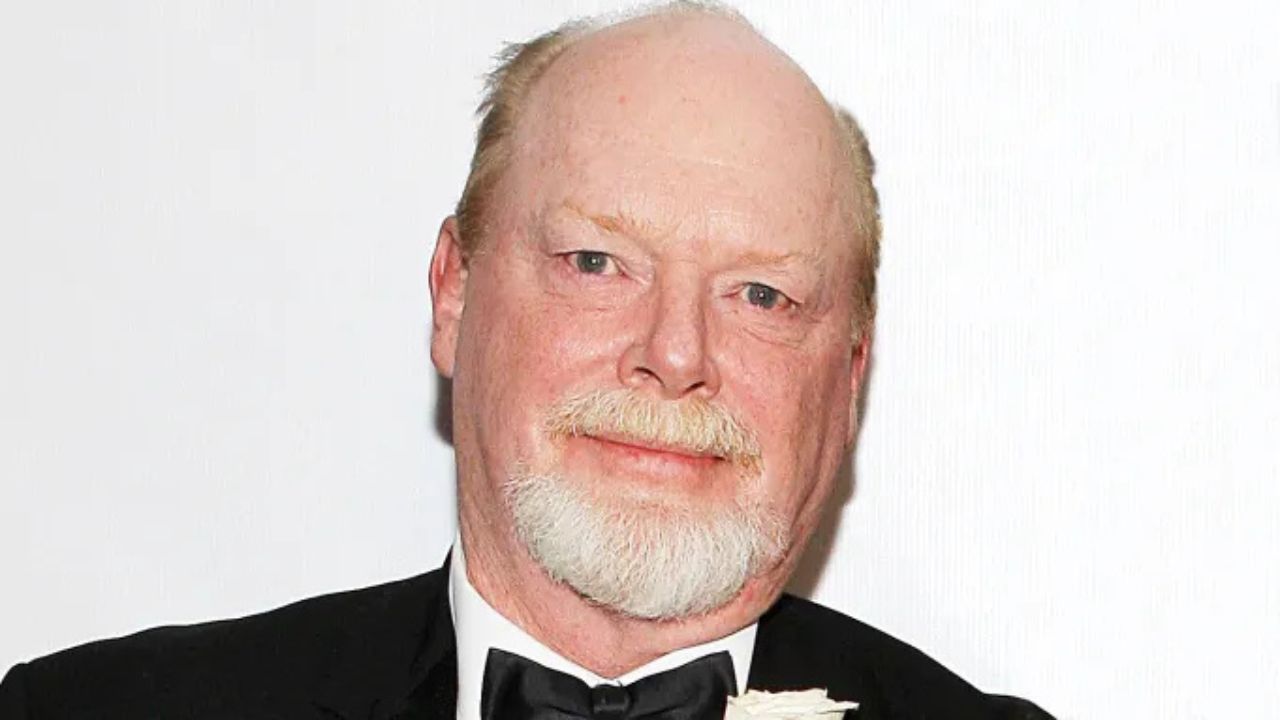

Richard M Rawlings Jr, the veteran cinematographer whose work on television classics including Charlie’s Angels, L.A. Law, Gilmore Girls and Desperate Housewives earned him four Emmy Award nominations, has died at the age of 82.
According to Deadline, the American Society of Cinematographers (ASC) confirmed his death but did not disclose the cause, date or place of his passing.
During a career spanning more than three decades, Rawlings received four Primetime Emmy nominations. His first came in 1988 for the CBS western series Paradise, the same project that earned him an ASC Award. He later received Emmy nominations for ABC’s Ohara (1988), NBC’s Reasonable Doubts (1993) and the CBS television film Big Dreams & Broken Hearts: The Dottie West Story (1995). In 2014, the ASC honoured him with its Television Career Achievement Award.

Born on 9 October 1943 in Los Angeles, Rawlings followed in the footsteps of his father, Richard L. Rawlings, a respected television cinematographer whose credits included Dynasty and Gilligan’s Island.
Rawlings began his career as a messenger at Warner Bros before moving into camera work. He later assisted his father on productions including Gilligan’s Island.


His breakthrough came in 1978 when executive producer Aaron Spelling reassigned his father from Charlie’s Angels to the newly launched Dynasty. Rawlings then took over as cinematographer midway through the third season of Charlie’s Angels and remained with the hit series until its conclusion in 1981.
He went on to work on a string of successful television dramas throughout the 1980s and 1990s, including Matt Houston, Stingray, Reasonable Doubts and the Emmy-winning legal drama L.A. Law. In the following decade, he added Boston Public, Gilmore Girls and Desperate Housewives to his credits. He also worked on several television films. His final screen credit came with a 2008 episode of Boston Public.
Reflecting on his approach to cinematography in a 1995 interview with the ASC’s American Cinematographer magazine, Rawlings said he preferred to let each scene guide his creative decisions rather than rely on technical formulas.
“I’ll walk onto a set that I’ve never seen before, and my original ideas change about where the lights will go and about the feeling of the scene. Then, when I listen to the actors say the words, my ideas may change again. I always wait until the moment and then make my choices,” he said.
Information about his surviving family members was not immediately available.