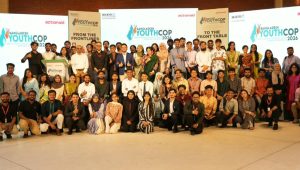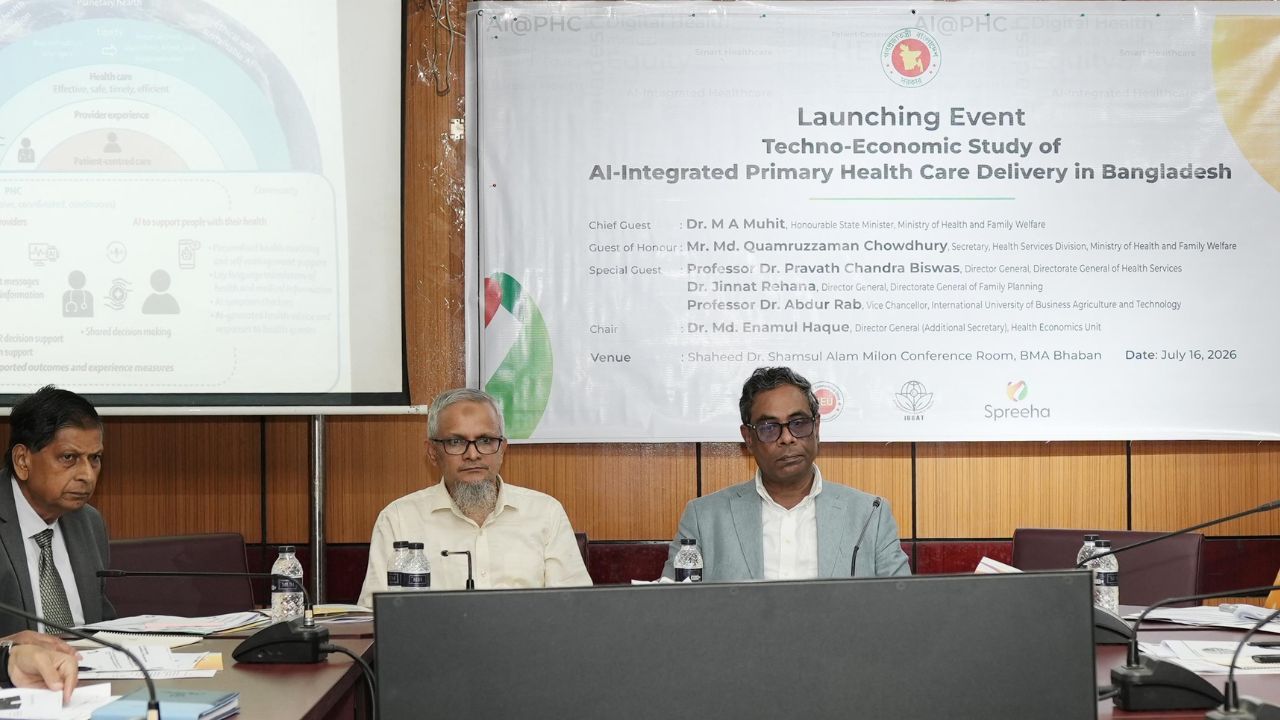

The Health Economics Unit under the Ministry of Health and Family Welfare, International University of Business Agriculture and Technology (IUBAT) and Spreeha Foundation launched a research initiative on 16 July to assess whether artificial intelligence can be integrated into Bangladesh’s primary healthcare infrastructure.
The “Techno-Economic Study of AI-Integrated Primary Health Care Delivery in Bangladesh” will examine the technical, economic and operational feasibility of AI-enabled healthcare technologies. Spreeha Foundation is funding the study, while IUBAT’s Department of Public Health is serving as the academic partner, the organisers said in a press release.
State Minister for Health and Family Welfare Dr M A Muhit formally inaugurated the project as chief guest.
Muhit described the research as an initial step towards remodelling Bangladesh’s health sector through technology and artificial intelligence, in line with the government’s priorities and election manifesto.
“This is a very ideal setting – a collaboration between government, academia and non-profits to reach a shared goal. I look forward to coming back next year to discuss the research outcomes at the learning dissemination event,” he said.

IUBAT Vice-Chancellor Professor Dr Abdur Rab attended as special guest. He said artificial intelligence could not be ignored and that younger generations could play an important role in leading and implementing the technology because of their greater familiarity with it.
Rab said researchers and students from IUBAT’s Department of Public Health were actively involved in the study and would remain engaged beyond the project’s current term.



Health Economics Unit Director General and Additional Secretary Dr Md Enamul Haque chaired the launch event.
Under the unit’s leadership, the study will draw on expertise from the government, academia, healthcare, economics and technology sectors to develop evidence-based recommendations on the possible adoption of AI in primary healthcare.
Professor Dr Sk Nazmul Huda, the project’s team leader and chairman of IUBAT’s Department of Public Health, presented an overview of the research. He outlined its objectives, implementation plan and the potential effects of AI integration on primary healthcare services.
Spreeha Foundation Board Chair Dr Michael Tjalve said healthcare remained fundamentally human-centred and that AI could allow professionals to spend more time with patients, provide better information, improve engagement and widen access to care.
He said compassion, one of Spreeha Foundation’s core values, would guide the development of explainable and human-centred AI solutions for primary healthcare.
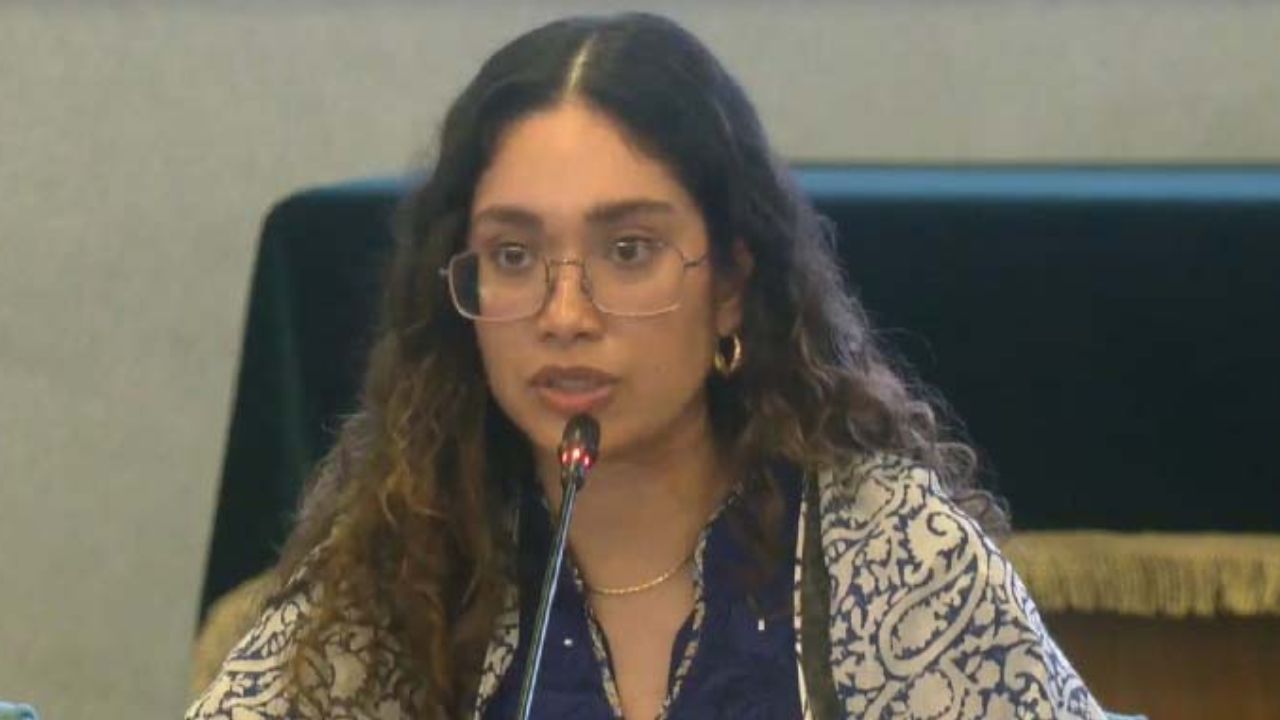
Spreeha Foundation representatives Dr Ishtique Zahid and Tahsin Ifnoor Sayeed jointly delivered a technical presentation on key considerations in implementing AI in healthcare.
The presentations were followed by an open discussion and question-and-answer session involving policymakers, healthcare professionals, researchers, academics, development partners and technology experts from across Bangladesh.
Participants discussed the opportunities, challenges, ethical considerations, safety measures and future direction of AI-integrated primary healthcare.
The study’s findings are expected to support future policy discussions, strategic investment decisions, implementation planning and the responsible adoption of AI-enabled health technologies.
The initiative is also intended to support the Ministry of Health and Family Welfare’s efforts to develop a more accessible, efficient, inclusive and future-ready healthcare system.