Andy Burnham’s victory in Makerfield has triggered speculation over a potential battle for Downing Street, with his allies pushing for him to take charge of UK’s leadership as soon as possible.
Supporters of the outgoing Greater Manchester mayor want a smooth transition, while those backing Keir Starmer are urging the Labour leader to continue fighting on, reports The Guardian.
If Burnham becomes prime minister, he will face pressure to deliver the “change” he promised after winning the Makerfield by-election on Thursday night. His supporters have outlined a series of possible policies and reforms that could shape his government.
Public ownership of utilities
Burnham’s allies have discussed a 10-year plan to bring major parts of Britain’s water and energy sectors under public control.
The first step could involve Thames Water, the troubled utility company currently facing financial difficulties as creditors negotiate its future.
Environment secretary Emma Reynolds this week opposed a proposed £10 billion rescue package for the company, moving Thames Water closer towards possible nationalisation.
Other firms, including South East Water, could also face public ownership discussions after criticism over repeated service disruptions.
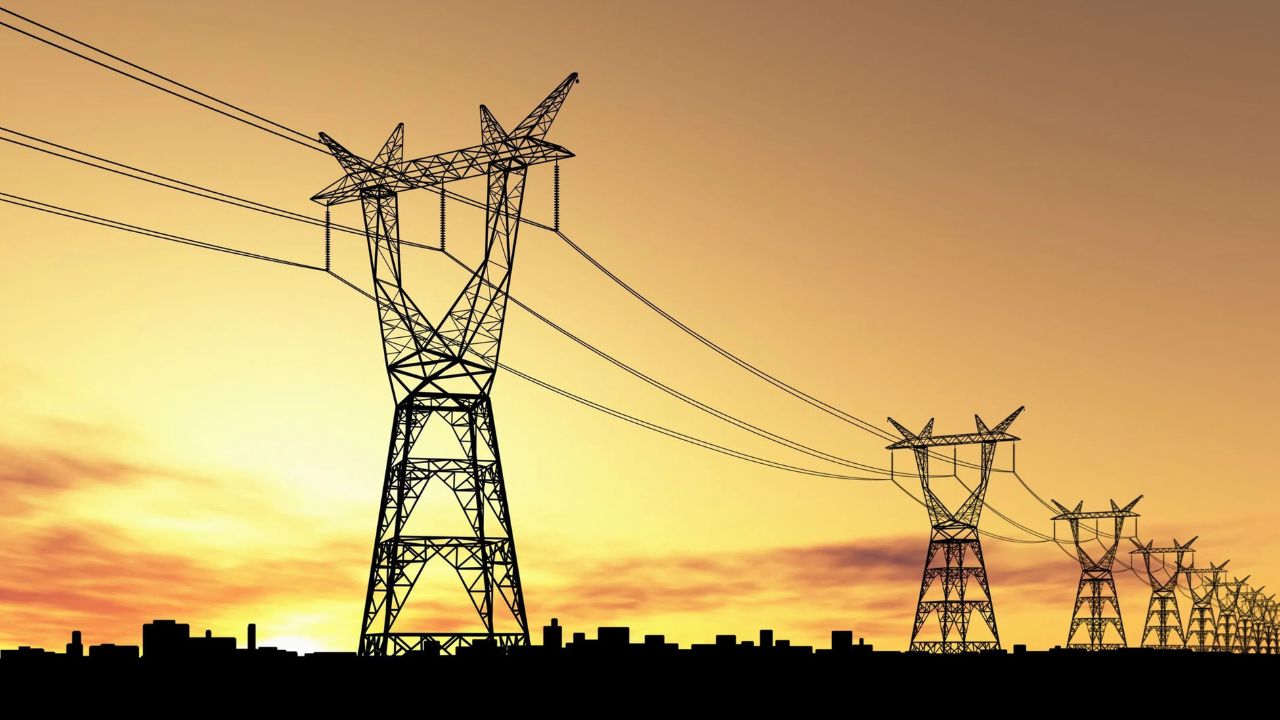
Burnham’s allies eventually want energy transmission and supply companies, potentially including National Grid, to be brought under public control.

However, such a move would likely take years and could require billions of pounds in compensation payments to investors.
Cost of living measures
Some of Burnham’s supporters believe his immediate priority should be helping households struggling with rising costs.
They have suggested stronger state intervention, including a temporary rent freeze and transferring energy bill levies into general taxation.
However, funding such measures could require higher taxes and create difficult choices for a future government.
Burnham has already committed to Labour’s campaign pledge not to increase income tax, national insurance or VAT.



During the by-election campaign, he also suggested he would consider reducing employers’ national insurance contributions and cutting business rates for pubs.
These commitments would limit his options for raising additional revenue, although increasing capital gains tax a proposal previously backed by Wes Streeting, the former health secretary and possible leadership rival could be considered.
More power for regions
Burnham has repeatedly called for greater powers to be handed from Westminster to local areas.
After his victory on Thursday night, he said, “People here have voted for change, they have voted for more power for the north and everywhere forgotten by Westminster. Now let’s give that back to them.”
His comments reflect his long-standing support for transferring authority away from central government and giving regional leaders greater control.
The current Labour government has already taken steps towards greater devolution, including plans to allow mayors to receive a share of business rate revenues generated in their areas.
However, Burnham’s allies want to go further by potentially giving mayors control over major public services, including schools and hospitals.
Reducing control over MPs
One of Burnham’s biggest political changes could involve reforming how MPs operate in Parliament.
The incoming MP has spoken about ending the Westminster “whipping” system, which ensures that party members usually vote according to official party positions.
A complete removal of the system could create uncertainty and make it harder for governments to deliver manifesto commitments. It could also leave voters unclear about what a party’s election promises mean in practice.
Instead, Burnham may seek to reform the system by allowing more free votes on certain issues and reducing the use of “three-line whips”, which require MPs to attend and vote according to party instructions.
Another possible change would be reducing the number of briefing notes provided to MPs before media appearances, allowing them to express their own views more freely rather than following a strict government message.
Such a change could require voters to adjust to seeing ministers publicly disagree on some issues.
Voting reform
Burnham has supported replacing the first-past-the-post electoral system since becoming Greater Manchester mayor in 2017.
He argues that the current system has contributed to a Westminster structure that is too centralised and focused on London.
When Manchester used a transferable voting system, Burnham said he had to convince supporters of other parties to rank him as their second choice. “It made every vote count,” he told the Observer last month.
The former mayor has not yet confirmed which alternative voting system he would support.
A fully proportional system could weaken the direct relationship between MPs and their constituencies, while other systems may still fail to represent the views of a majority of voters.
Burnham has said he wants to establish a “national commission” on electoral reform to make recommendations before including any proposed changes in the next Labour manifesto.