There is a very specific kind of silence that follows a difficult decision, the silence after you finally admit to yourself that you need help. For many young people today, that moment comes quietly. Between sleepless nights, pressure to perform, family expectations, and an overwhelming sense of “not being okay,” they reach a point where they decide: I should talk to someone. Then reality steps in.
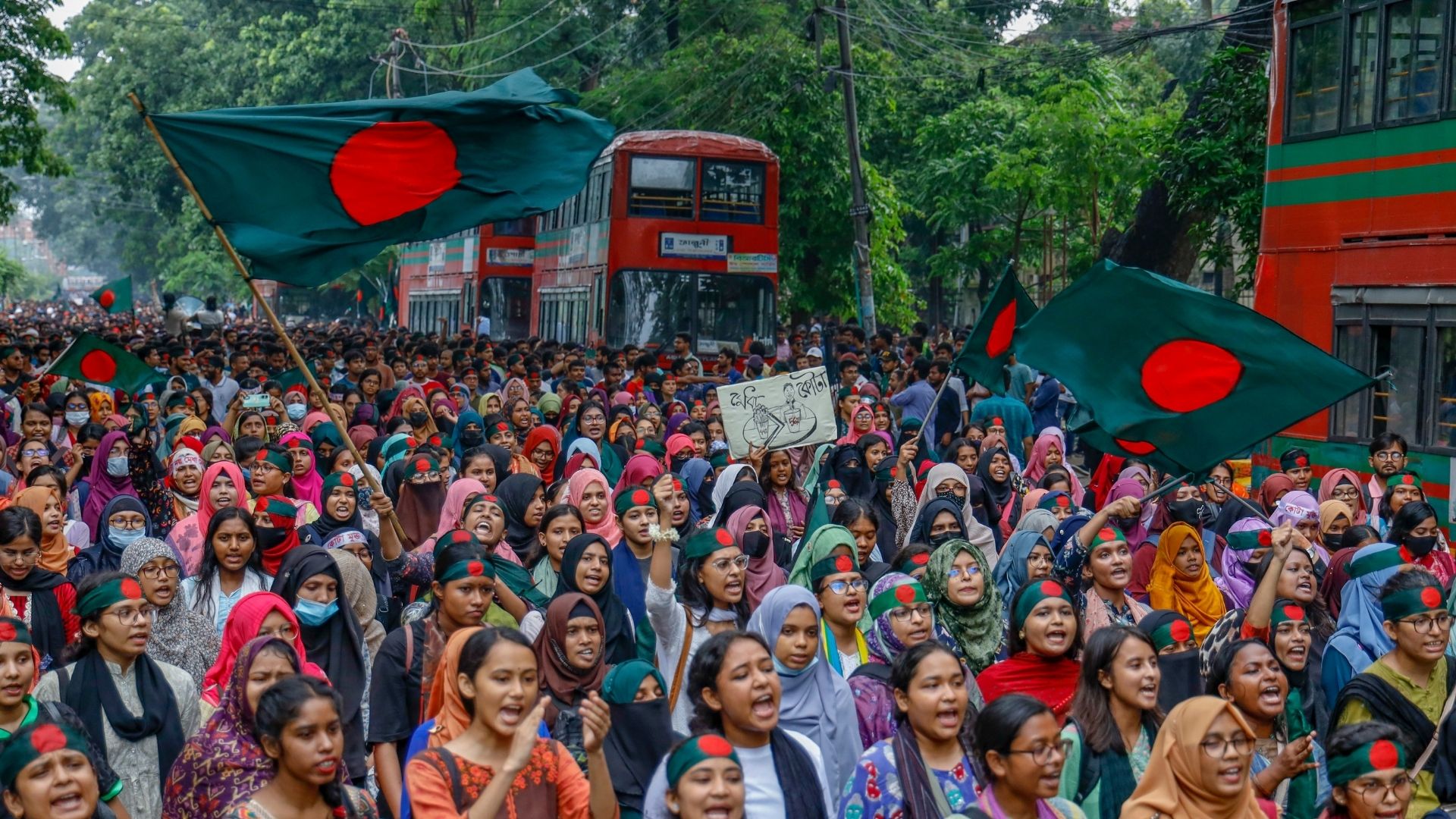
Gen-Z in Bangladesh is often described as open, expressive, and emotionally aware. They talk about anxiety more freely than any generation before them. They share burnout memes, mental health posts, and therapy quotes. In many ways, they have normalised the conversation.
But normalising the conversation is not the same as accessing care. Because when the courage finally arrives, what many encounter is not rejection or stigma but cost, availability, and systems that feel stretched thin.
Muntaha, 24, remembers that moment clearly. “I was going through a lot. Job stress, family issues, everything felt too heavy. It started affecting my body too. I knew I needed help. But when I started looking for a psychiatrist, I realised I couldn’t really afford it.” Her voice is calm when she says it now. But the experience itself wasn’t.

In private clinics, a single consultation can cost anywhere between Tk 1,000 and Tk 3,500 and sometimes significantly more. And therapy is rarely a one-time visit. It is a process, a continuation, something that requires time, trust, and consistency. For a student, a fresh graduate, or someone just trying to stay afloat, that quickly becomes a financial decision as much as an emotional one.
Public hospitals offer a different reality, with low-cost consultations, sometimes even free. But they come with another challenge: time. Too many patients, too few specialists, and consultations that often feel rushed.



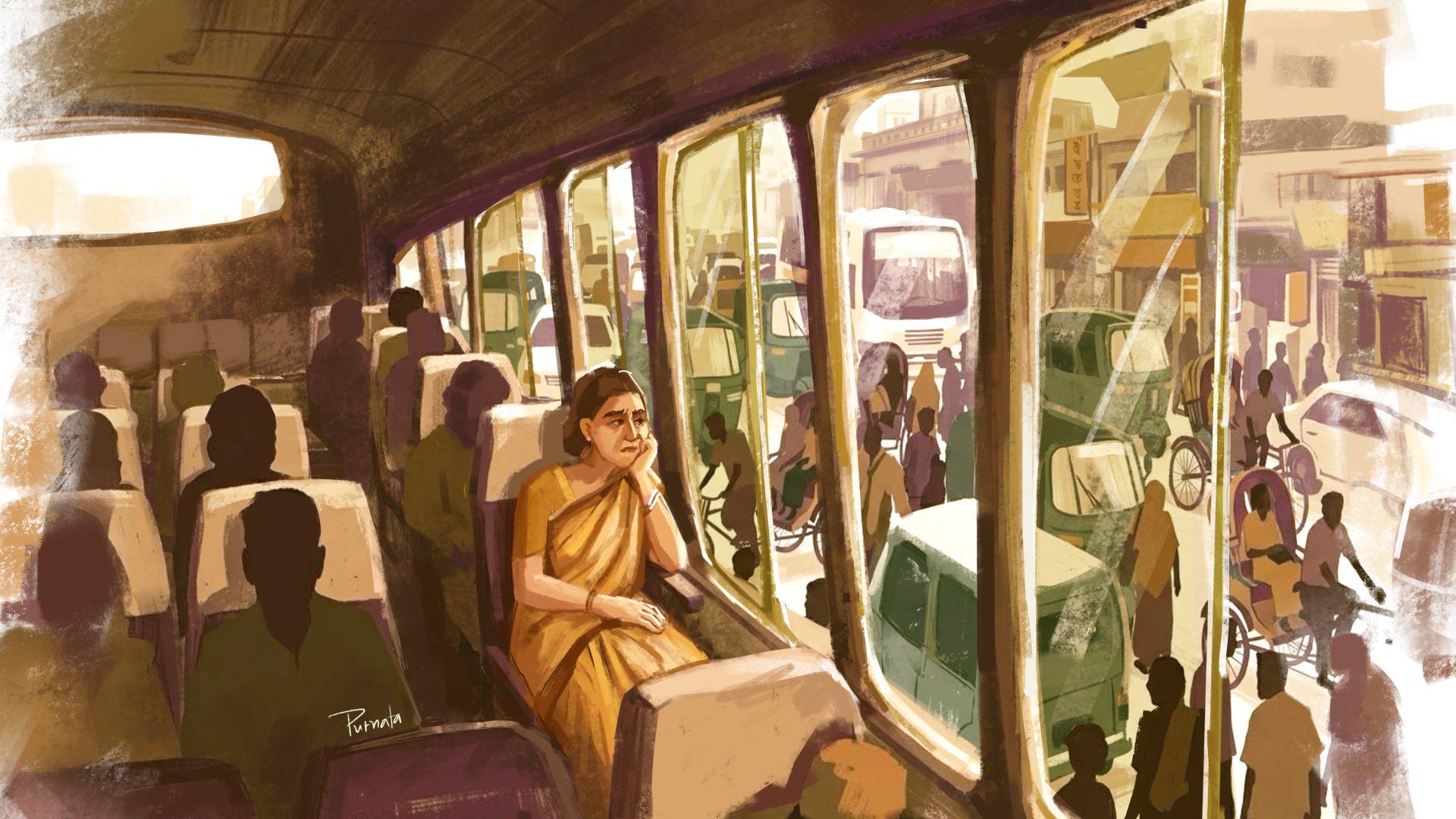
Piyash, 24, a university student, describes it simply: “I went to a government hospital once. The doctor was trying, but there were so many patients. I couldn’t really explain everything. I left feeling like I still had everything inside me.”
Outside Dhaka and other major cities, the situation becomes even quieter and, in some cases, invisible. Mental health services are limited or unavailable, and people often grow up without ever hearing what therapy looks like. So, they cope, adapt, and normalise exhaustion. Still, something is changing.
More young people are turning to online counselling, helplines, and digital therapy platforms. Not because it is perfect, but because it is accessible. Muntaha tried one such session. “It was Tk 800. Still expensive for me, but I just needed to talk to someone who would listen properly,” she said.
That word, “listen”, comes up often in these conversations. Not diagnosis or treatment, just being heard. Perhaps that is where the real shift is happening in Gen-Z’s wellness culture. Mental health is no longer only about illness. It is about balance. About having somewhere to go before things reach breaking point.
Experts say the future of mental wellbeing cannot depend only on specialist care. It must be built into everyday systems, such as schools, workplaces, community clinics, and even digital spaces. Early support, someone to talk to before things escalate.
Because wellness, at its core, is not dramatic. It is quiet and consistent. It is ordinary care made available at the right time. Right now, that care still feels unevenly distributed. In that imbalance lies the quiet tension of a generation that knows how to speak about pain but still struggles to find where that pain can safely land.
Perhaps the next step is not only to make mental health services more available, but to make them more human. Because most young people are not waiting for a dramatic solution. They are not asking for perfection. They are asking for someone to listen without rush, a system that doesn’t feel out of reach, and care that doesn’t arrive only after things fall apart.
Wellness, after all, does not begin in crisis. It begins in conversation.