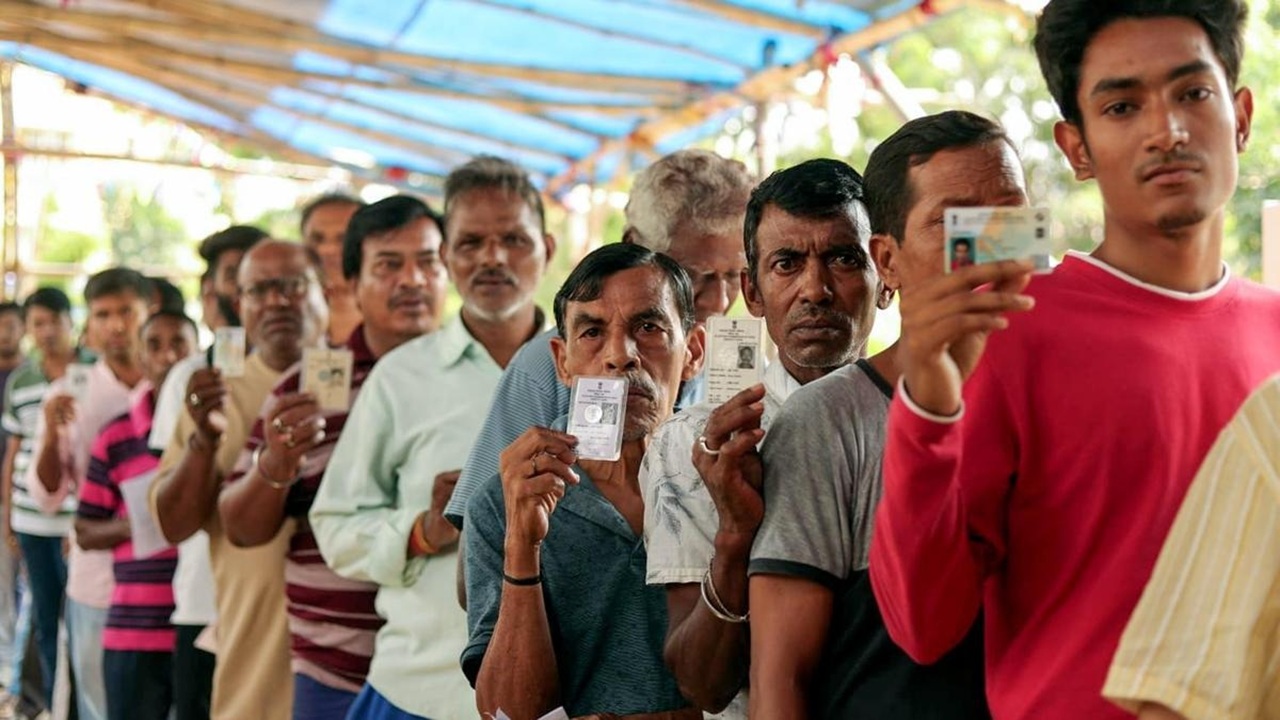
In the second and final phase of the West Bengal Assembly elections, which concluded last Wednesday, 142 of the 294 constituencies went to the polls. Results will be declared on 4 May.
This election holds profound significance not only for the future of West Bengal but for Indian politics as a whole, and even for India-Bangladesh relations.
The campaign has sharply highlighted India’s deepest dilemmas, whether to foster Hindu-Muslim amity or assert the rights of the Hindu majority; whether the country should become a highly centralised national security state with states reduced to secondary players; and whether states’ distinct cultural and linguistic identities should be protected or subsumed under a single Hindi-Hindu-Hindustan framework.
The Bharatiya Janata Party (BJP), which governs the Centre, is deploying every resource at its command to capture West Bengal — a state long defined by strong regional pride and historically resistant to external political domination.
BJP’s assertive communal ideology sits uneasily with Bengal’s legacy of centre-left and decades-long communist rule.
The party’s no-holds-barred approach to power — blending money, muscle, institutional influence, and even the judiciary — has become its hallmark. The “bulldozer” symbol, drawn from the demolition of Muslims’ properties in Uttar Pradesh, resonates strongly in the Hindu nationalists’ imagination.
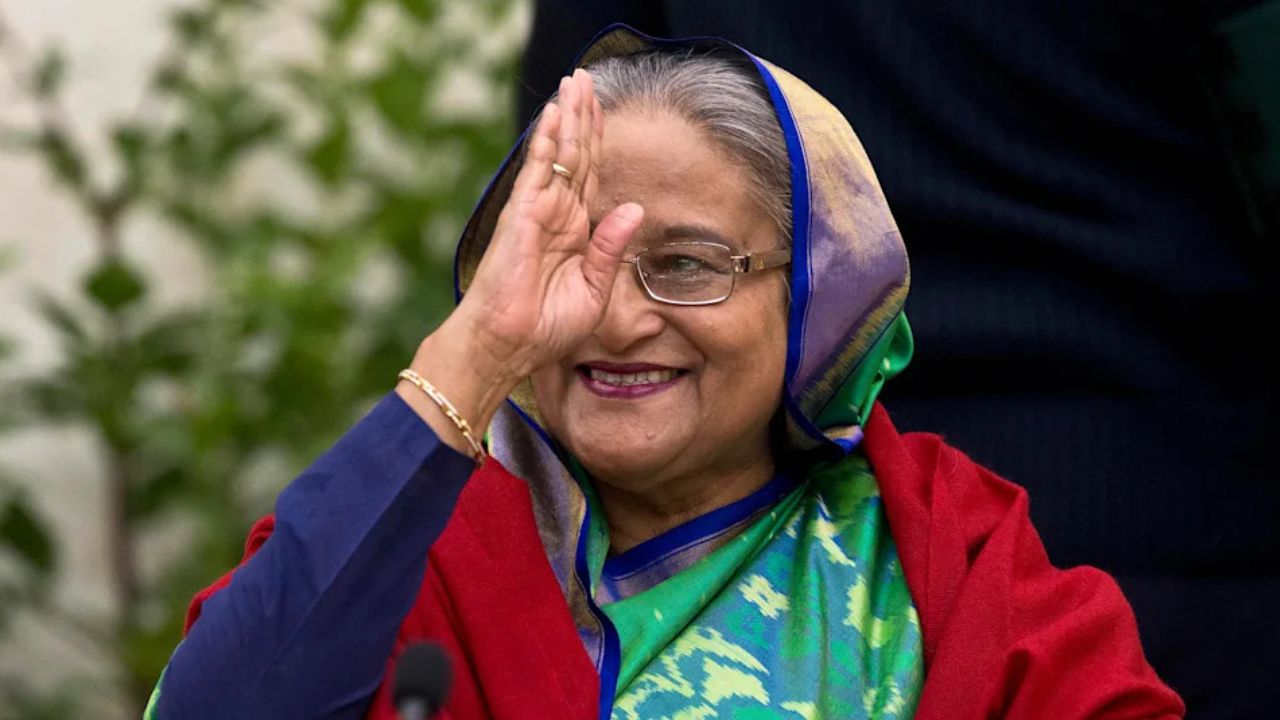
Mamata Banerjee’s Trinamool Congress (TMC) has held power since 2011. Projecting herself as a forceful, uncompromising champion of Bengal’s interests, Mamata enjoys strong support for her pro-people welfare programmes, particularly those targeting women and farmers.

Her quintessential Bengali persona strikes a deep chord with voters who wear their Bengaliness with pride. However, critics accuse her of running a hegemonic regime that tolerates no opposition.
Key Battlegrounds The constituencies voting on April 29 lie in South Bengal and Kolkata — the TMC’s most reliable strongholds. The eight districts involved are Kolkata North, Kolkata South, Howrah, Nadia, North 24 Parganas, South 24 Parganas, Hooghly, and Purba Bardhaman.
These areas encompass a mix of urban and rural, agricultural and industrial zones, with significant ethnic, linguistic, and religious diversity.
Muslim populations range from 20.6% in Kolkata to 35.5% in South 24 Parganas. Nadia has a population of 26.7% Muslims, Howrah has 26.2%, North 24 Parganas 25.82%, Poorba Barduman 25.14% and Hoogly 15.77%.
Of these, Nadia, North 24 Paraganas, South 24 Parganas and Purba Bardoman border Bangladesh.



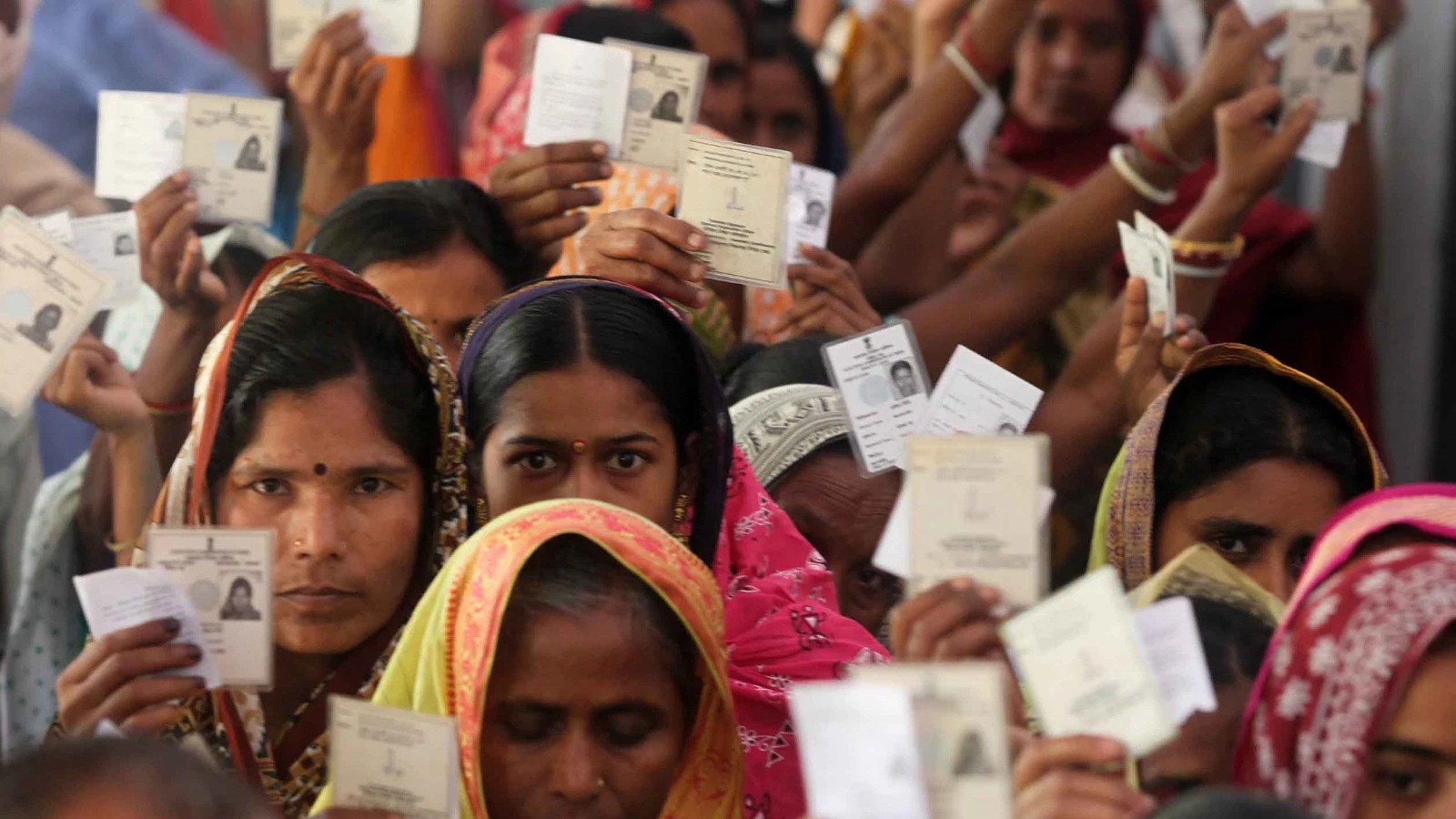
Central campaign issues in both phases have included Hindu-Muslim tensions, vegetarianism versus non-vegetarianism, alleged demographic shifts due to illegal immigration from Bangladesh, revisions of electoral rolls that have disenfranchised many (especially lower-caste Hindus and Muslims), the proposed Uniform Civil Code, unemployment, political violence, and women’s safety.
The BJP has aggressively targeted the TMC for “appeasement” of Muslims at the expense of the Hindu majority and for failing to curb violence.
The TMC, in turn, accuses the BJP of attempting to impose a North Indian, upper-caste Hindu cultural template on Bengal, threatening its unique syncretic identity — Bengali Asmita — that embraces both Hindu and Muslim Bengalis.
High-stakes Bhabanipur contest
The fiercest battle is expected in Bhabanipur, Kolkata, where Chief Minister Mamata Banerjee faces Suvendu Adhikari, the BJP’s Leader of Opposition. Adhikari, once her close aide, defected to the BJP and narrowly defeated her in Nandigram in 2021 by just 1,900 votes.
Mamata later won a by-election in Bhabanipur by a massive margin of around 58,800 votes.
However, the seat has changed in an important way. The Election Commission’s Special Intensive Revision (SIR) deleted approximately 51,000 voters — a 21% drop — significantly eroding Mamata’s buffer.
Its non-Bengali voting population has increased and the Muslim population has decreased. Both sides recognise the altered arithmetic.
Mamata has campaigned personally with rare intensity, holding closed-door meetings with non-Bengali communities and visiting Sikh and Jain temples. Adhikari, backed by Central Home Minister Amit Shah and the BJP’s central machinery, has focused heavily on this constituency.
A victory for Mamata would signal resilience. A win for Adhikari would be historic — potentially shattering TMC morale and marking the triumph of the “North Indian lobby” over Bengali regional pride.
Other notable contests
Several senior TMC ministers are also in the fray: Kolkata Mayor Firhad Hakim (Kolkata Port), Chandrima Bhattacharya (Dum Dum Uttar), Shashi Panja (Shyampukur), Aroop Biswas (Tollygunj), Bratya Basu (Dum Dum), and Sujit Basu (Bidhannagar). The TMC is on trial in all these seats.
The BJP has fielded high-profile candidates, including the mother of the junior doctor raped and murdered at RG Kar Hospital in 2024 in Panihati — a case that became a major campaign issue on women’s safety.
Veteran journalist Swapan Dasgupta is contesting from Rashbehari, while actor-turned-politician Rupa Ganguly is in Sonarpur Dakshin. Prime Minister Narendra Modi has described the record 92.9% turnout in Phase 1 as an “anti-Mamata wave.”
Mamata has countered that the high turnout reflects people’s determination to protect their rights against the threat of the National Register of Citizens (NRC) and the erosion of Bengal’s secular, syncretic ethos.
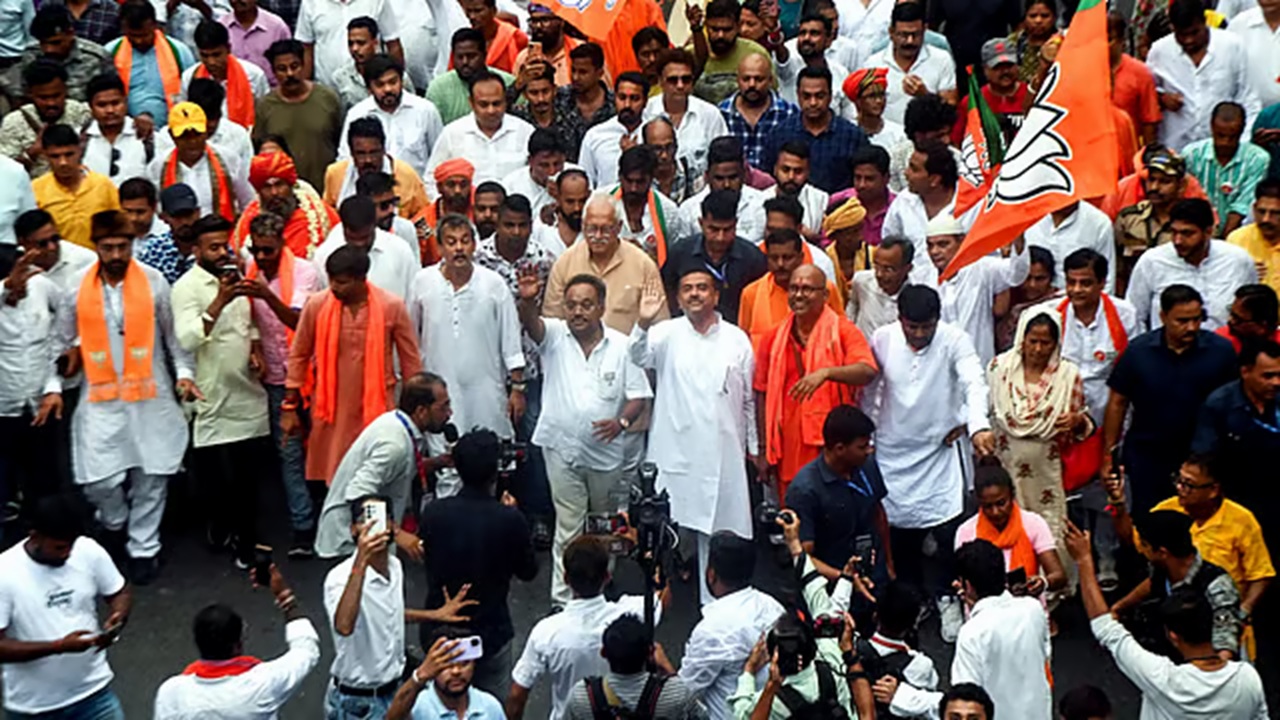
When votes are counted on May 4, the combined results from both phases will answer the central question: Can the BJP’s star power, aggressive campaigning, and central influence translate into a breakthrough in TMC’s core urban and suburban fortresses?
Or will Mamata Banerjee’s personal appeal, welfare delivery network, and entrenched grassroots organisation hold the line?
The outcome will shape not only Bengal’s political future but also the broader trajectory of Indian federalism, cultural politics, and regional equations.
The sharpening of the Hindu-Muslim divide in West Bengal, will complicate India’s relations with Bangladesh – a Bengali Muslim country across the border. There is already a Muslim-Hindu divide in Bangladesh, an issue which India has taken up with Bangladesh in the past.