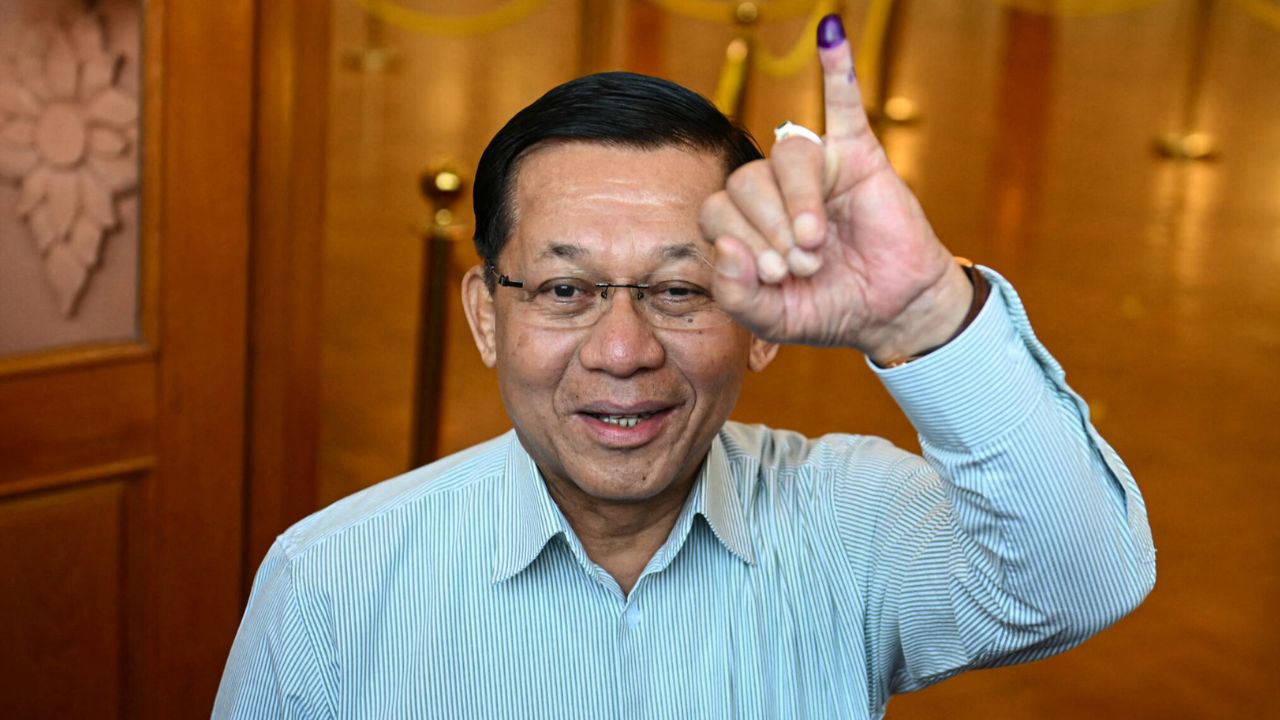

Myanmar’s leader commuted all death penalties in a blanket order on Friday, one of his first official acts since he was installed as the country’s civilian president, reports the Inquirer.
The military chief seized power in a February 2021 coup and later resumed executions after decades without them, targeting dissidents opposed to his rule, rights groups said.
By the following year, more than 130 people had been sentenced to death, according to the United Nations, though exact figures remain difficult to verify in the country’s opaque court system.
After five years as armed forces commander, Min Aung Hlaing was installed last week as president in what democracy watchdogs describe as a civilian rebranding of military rule.

The transition has been accompanied by rollbacks of some post-coup measures — steps the junta presents as reconciliation but critics dismiss as cosmetic.
A communique issued on his behalf said, “Those serving death sentences shall have their sentences commuted to life imprisonment,” without naming specific prisoners.
The move came as part of a broader Thingyan new year amnesty, a holiday tradition in Myanmar. Authorities said more than 4,300 prisoners would be released, including 179 foreign nationals, while sentences under 40 years would be reduced by one-sixth.


Families gathered outside Yangon’s Insein prison in the sweltering heat, waiting to learn if relatives were among those pardoned.
“My brother has been imprisoned for a political case,” said 38‑year‑old Aung Htet Naing.
“I am hoping that he might be included in today’s release. We cannot expect much because he wasn’t included in previous pardons.”
Rights monitors note that fewer than 14 percent of those freed in successive amnesties since the coup have been political prisoners.
More than 30,000 people have been detained for political reasons since 2021, according to the Assistance Association for Political Prisoners.
Myanmar’s most prominent detainee, Nobel laureate Aung San Suu Kyi, remains held incommunicado, serving a 27‑year sentence widely condemned as politically motivated.
Her National League for Democracy government was ousted in 2021 after the military alleged voter fraud in the previous year’s election — claims rejected by international monitors.
The coup plunged Myanmar into civil war, with pro‑democracy militias and ethnic minority armies fighting the military. A junta‑organised election in January delivered a walkover win for pro‑military parties after Suu Kyi’s NLD was dissolved and barred from running. Voting did not take place in rebel‑held areas, and criticism of the poll was criminalised.