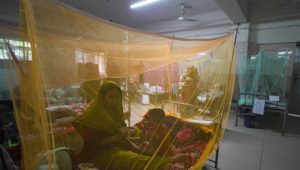
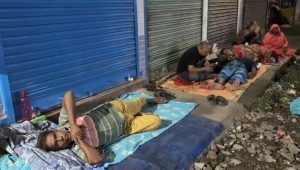
The Kajlarpar Canal, also known as Devdholai Canal in Jatrabari no longer flows like a waterway. It sits like a wound in the middle of the neighbourhood, filled with black water, rotting garbage and a smell that refuses to leave. For people living along its banks, this canal has become part of their daily struggle.
Once, older residents say, the canal carried clean water and small boats passed through it. Now, it carries plastic, food waste and sewage. The water has turned thick and dark, barely moving, as if the canal itself has stopped breathing.
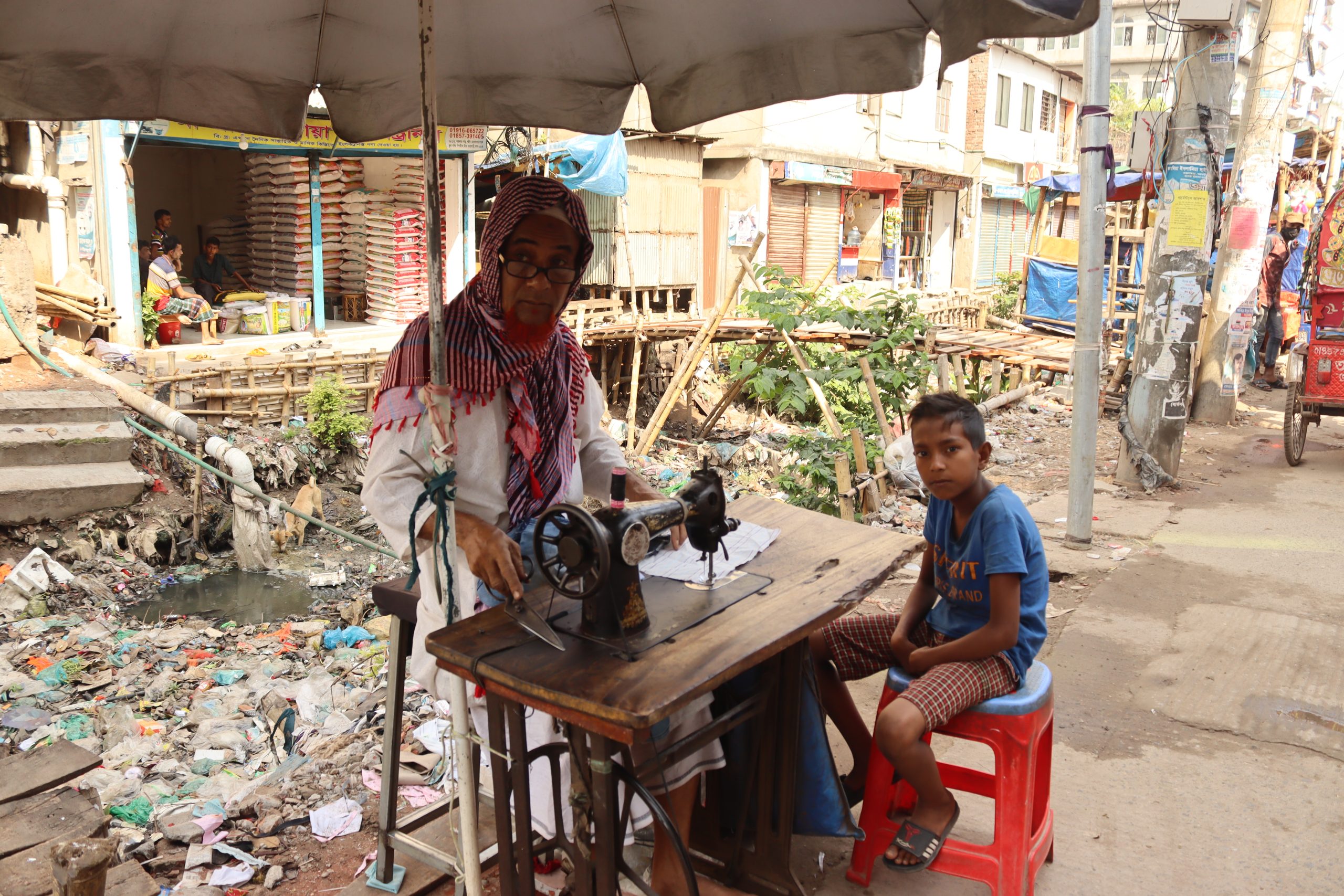
Life continues around it, though not in comfort. Makeshift businesses line the edges of the canal. Small fish markets, floating shops, tea stalls, food carts and clothing vendors operate in tight spaces beside the polluted water.

Food is prepared and sold in the open air while flies circle constantly and mosquitoes hover over everything. People eat quickly, often ignoring the surroundings, because this is the only option they have.



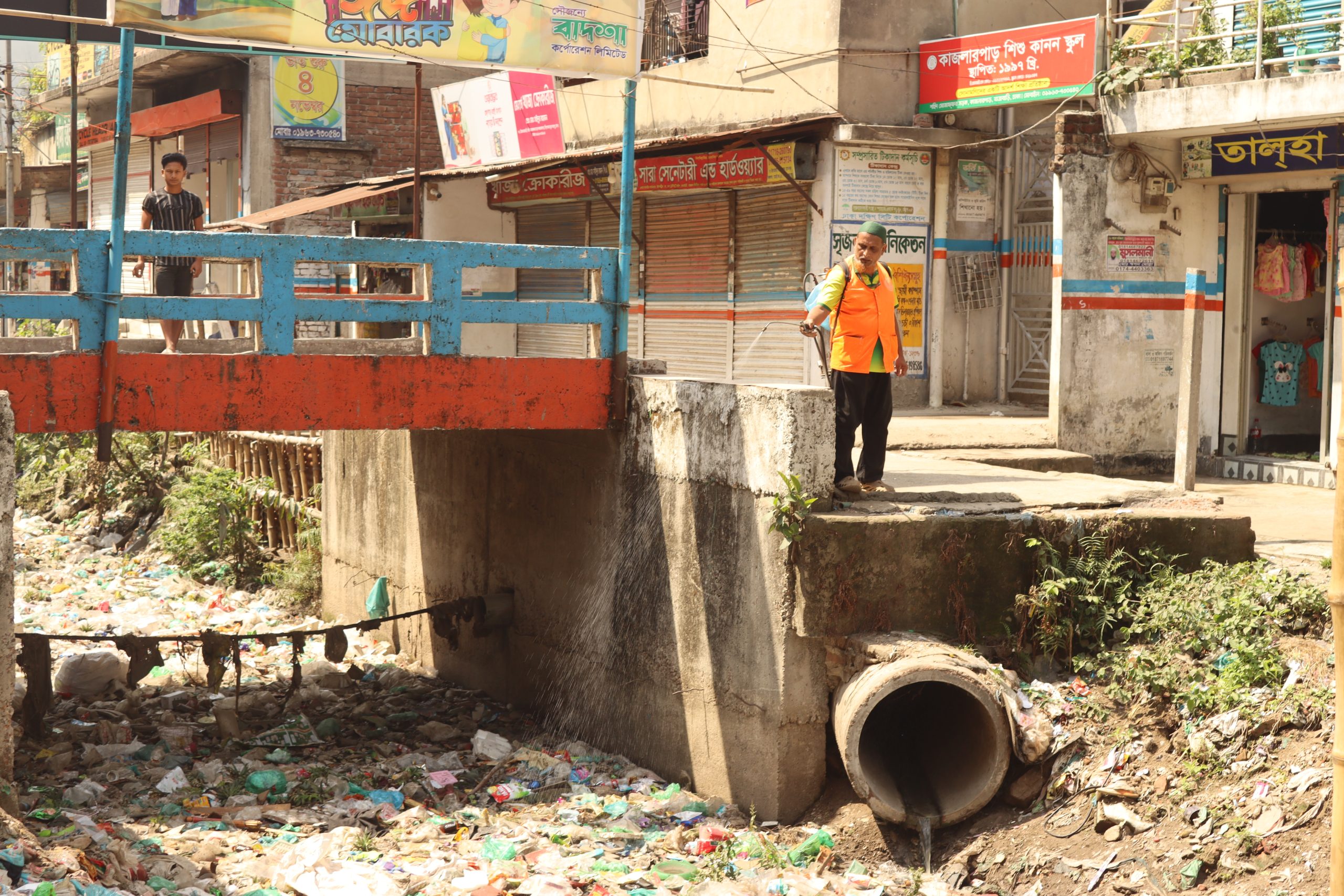
Crossing the canal is another daily risk. Temporary bamboo bridges and narrow wooden walkways stretch across the dirty water. They shake with every step. Children walk over them on their way to school, clutching their bags tightly, trying not to look down. A single slip could mean falling into the polluted canal.
For many families, the worst part is the smell. It hangs in the air all day and grows stronger at night. Windows remain closed even in heat, and outdoor conversations are often cut short because the odour becomes too overwhelming.

Residents say they have complained many times, hoping for cleaning, proper drainage, or even partial restoration of the canal. But little has changed. The garbage keeps piling up, the water keeps darkening, and the suffering continues.
The Kajlarpar Canal has become a symbol of neglect. It’s a silent reminder of how an essential part of urban life can slowly disappear while people continue to live around its decay, waiting for change that never seems to come.