Mohammad Manjur Alam, former BNP-backed mayor of Chattogram City Corporation, has resurfaced in the city’s political landscape – this time shrouded in questions, controversy, and allegations of political cunning.
A leader who rose from grassroots politics to the city’s top office, Manjur Alam’s trajectory is increasingly being viewed by critics as inconsistent and self-serving.
His landmark 2010 victory, with BNP backing, once positioned him as a trusted political figure. However, a series of controversial decisions since then have eroded that credibility.
2015 exit: Pressure or a calculated withdrawal?
The events of April 28, 2015, remain one of the most debated chapters in Chattogram’s political history. On election day, while serving as an adviser to BNP chairperson Khaleda Zia, Manjur Alam abruptly withdrew from the mayoral race and announced his retirement from politics.
“I was forced to withdraw under extreme pressure from law enforcement and rival political forces,” he claimed.
“His decision continues to raise questions regarding its timing and circumstances. At the time, many within the BNP privately expressed frustration, viewing his move as a betrayal that undermined the party’s standing in a crucial electoral contest.”

2024 election: Contradiction deepens
Despite BNP’s firm boycott of the 2024 general election, Manjur Alam contested as an independent candidate – directly contradicting the party’s position and drawing sharp criticism from its leaders and activists.
Attempting to justify his move, he alleged, “I was picked up by the DGFI and forced to contest. There were threats against my family.”
However, such claims lack verifiable evidence and are being used to rationalize a political decision that clearly went against BNPs political policy. For many BNP supporters, his participation in the election under the then Awami League-led government only deepened distrust.




2026: Turning back to BNP – Strategy or regret?
In 2026, following the death of BNP chairperson Khaleda Zia, Manjur Alam appears to be repositioning himself once again within BNP’s orbit—raising fresh questions about his political consistency.
He has undertaken visible religious initiatives, including arranging long-term Qur’an recitation at the grave of Khaleda Zia, who was buried beside former president Ziaur Rahman.
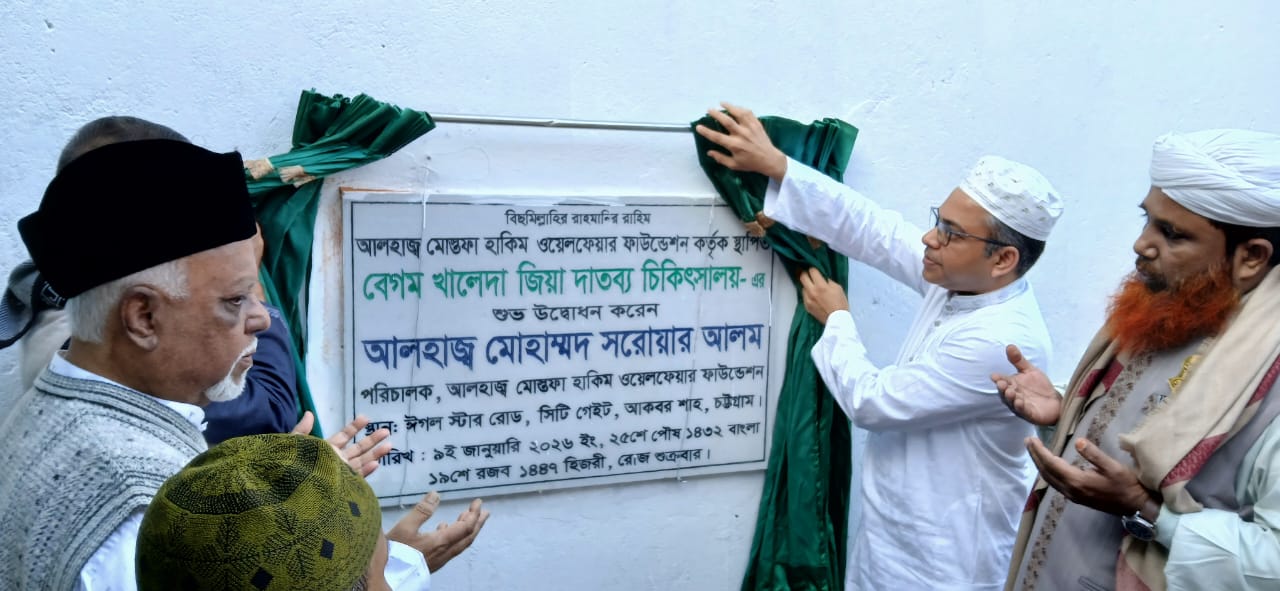
“I have arranged for continuous recitation (completion) of the Holy Qur’an for ten years for the forgiveness of Begum Khaleda Zia’s soul,” Alam said.
“She trusted me and made me her adviser,” he said, emphasizing personal loyalty.
Yet BNP activist across social media suggest such gestures may be aimed more at rebuilding lost political capital than purely reflecting loyalty.
Awami League link: Denial vs perception
Facing longstanding allegations of proximity to the rival Bangladesh Awami League, Manjur Alam has categorically denied any formal association.
“I was never part of the Awami League,” he insisted.
Still, his decision to contest the 2024 election under the Awami League government—and his previous attempts to engage with multiple political platforms—continue to fuel skepticism.
Show of strength, or political signaling?
During the January 25 visit of BNP acting chairman Tarique Rahman, Manjur Alam organized a large gathering in the city gate area – an event widely interpreted as a calculated show of strength.
While his supporters framed it as proof of enduring influence, critics dismissed it as a political rebranding effort aimed at regaining relevance within BNP ranks.
A leader without a clear political line?
From BNP leader to independent candidate, from sudden election withdrawal to renewed alignment – Manjur Alam’s political journey reveals a pattern that many now perceive as pragmatic maneuvering rather than ideological conviction.
Repeated shifts in position, controversial claims, and questionable decisions have left a section of the public and political observers questioning his credibility.
Whether this latest repositioning marks a genuine return to political conviction or yet another tactical move remains uncertain. But one reality is increasingly clear – Manjur Alam’s political identity is now as contested as his legacy in Chattogram politics.