Qeshm Island, once celebrated as an “open-air geological museum”, has emerged as the strategic focal point of the ongoing war between the United States, Israel, and Iran.
The Gulf’s largest island, covering approximately 1,445 square kilometres, now serves as a front-line fortress and a primary platform for Iran’s asymmetric naval power.
Beneath the island’s coral and ancient salt caves lie what are described as “underground missile cities”. These subterranean labyrinths house Iranian fast-attack boats and coastal batteries designed to control or close the Strait of Hormuz.
Retired Lebanese Brigadier-General Hassan Jouni, a military expert, told Al Jazeera that the island possesses “striking Iranian capabilities” that allow it to act as an “unsinkable aircraft carrier” dominating the entrance to the Gulf.

The military escalation reached a critical point on 7 March – one week into the war – when US air strikes targeted a vital desalination plant on the island.
Tehran condemned the attack as a “flagrant crime” against civilians, as the strike severed freshwater supplies to 30 surrounding villages. In a swift retaliatory move, the Islamic Revolutionary Guard Corps (IRGC) launched strikes against US forces at the Juffair base in Bahrain, alleging that the attack on Qeshm originated from a neighbouring Gulf state.

The conflict has caused severe disruption to global energy markets. Shipping traffic through the Strait of Hormuz was effectively halted last week following Iranian threats to strike passing vessels.




Currently, only a limited number of ships carrying essential oil and gas supplies are being permitted through the waterway as nations negotiate individual deals with Tehran.
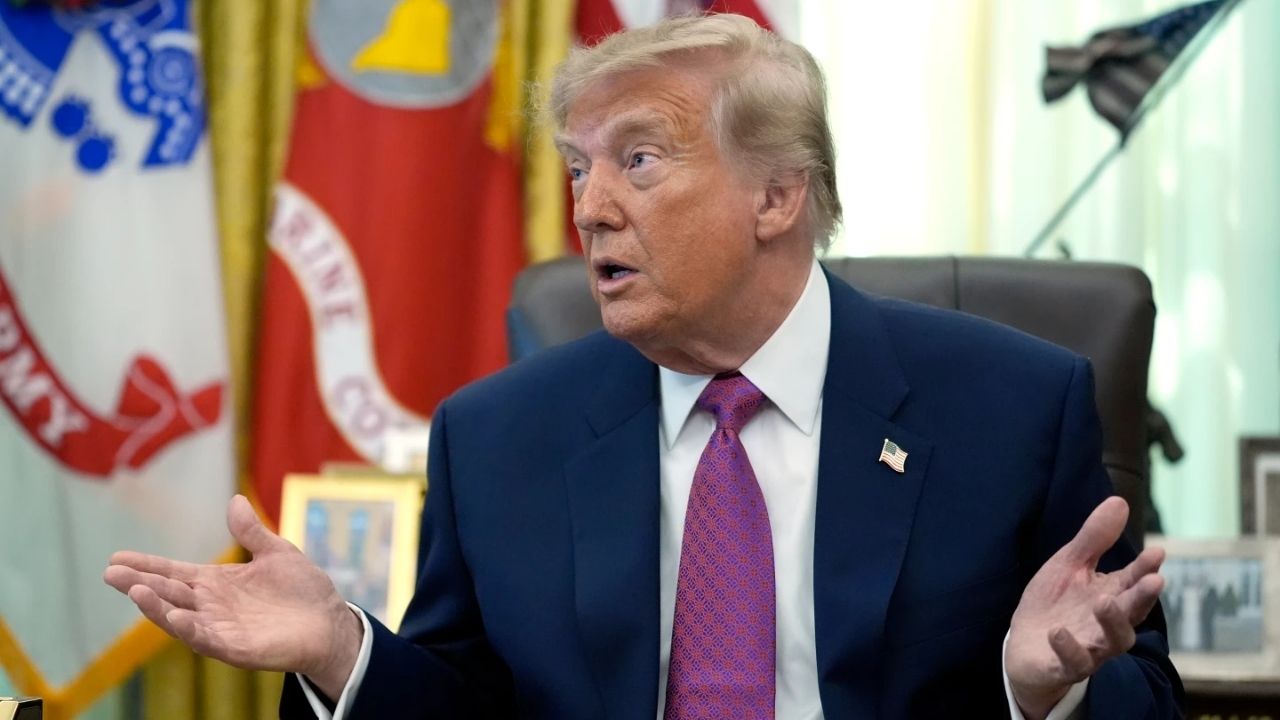
Meanwhile, the administration of United States President Donald Trump is attempting to assemble a naval convoy of warships to forcibly reopen the passage.
For the island’s 148,000 residents, primarily Sunni Muslims speaking the Bandari dialect, modern military tensions now intersect with ancient traditions.

While their lives remain tied to the sea – celebrated annually during the Nowruz Sayyadi (Fisherman’s New Year) – the current blockade and infrastructure damage have placed the population under significant strain.
Qeshm’s strategic value is rooted in centuries of history. Known as Jazira-al-Ṭawila (the Long Island) in Arabic, it was a prized possession for the Portuguese, who built a stone fort there in 1621, and later the British, who maintained a naval base at Basidu until 1935.
The island was also a vital “water barrel” for the region, featuring the 2,000-year-old Tala (Gold) Wells – 366 wells dug to match the days of a leap year.
Beyond its military silos, the island remains a site of immense ecological importance. It is home to the UNESCO-recognised Qeshm Geopark, the Hara mangrove forest, and the Namakdan Salt Cave, one of the world’s longest crystalline formations.
However, as the 21st-century energy war intensifies, these geological marvels remain under the shadow of the IRGC’s underground silos.