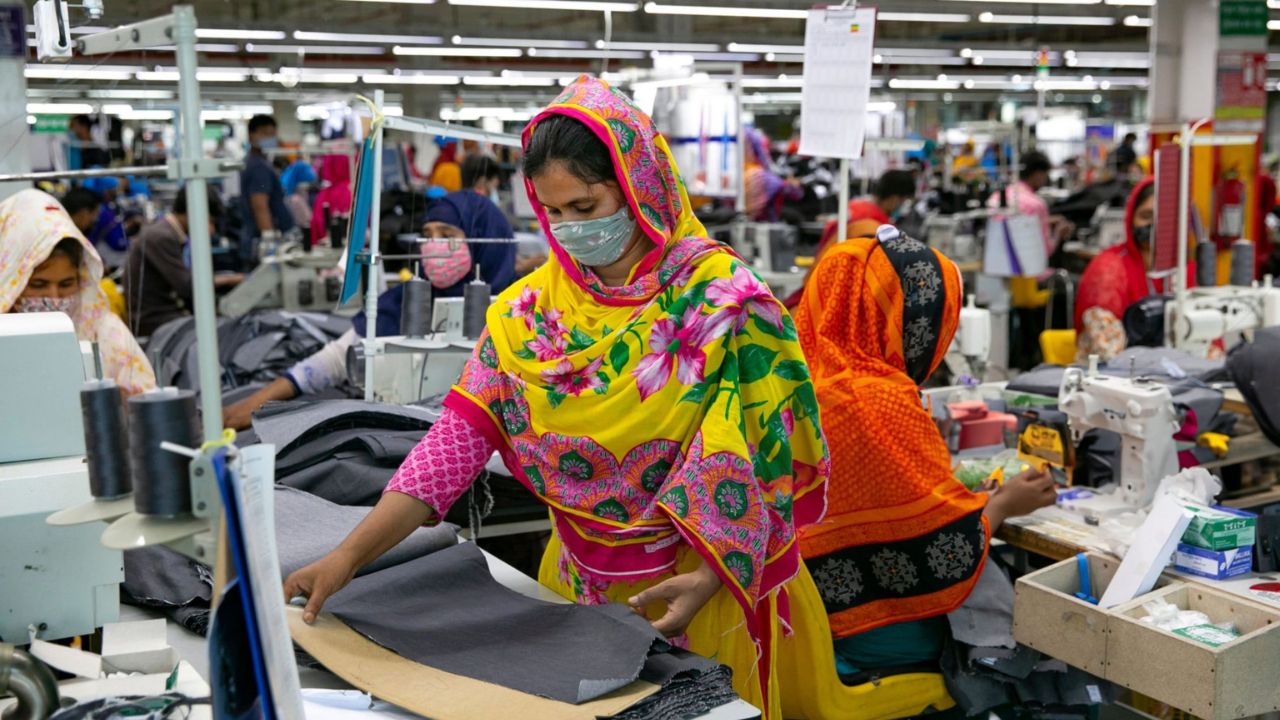
Tobacco cultivation has surged sharply in the northern border district of Lalmonirhat this season, raising alarm among health experts and rights activists who warn that the expansion is exposing children to severe health risks and threatening the local environment.
According to the Department of Agricultural Extension (DAE), the area under tobacco cultivation in the district has almost doubled compared with the previous year.
Around 9,300 hectares of land were used for tobacco farming last season, but the figure has risen to 15,575 hectares in the 2025–26 season.
Large stretches of land in the Teesta River chars and flatlands across Aditmari, Kaliganj and Hatibandha upazilas are now dominated by tobacco fields.
Local residents say farmers are increasingly shifting from food crops such as rice, maize and pulses to tobacco because companies offer advance loans, fertiliser, seeds and guaranteed markets.
During field visits to Saptibari, Sarpukur and Bhelabari unions in Aditmari Upazila, as well as several areas of the district headquarters, children were seen working alongside adults in tobacco cultivation and processing.

Many school-age children have temporarily stopped attending classes during the tobacco season to help their families.
Mahmudul Hasan, a 12-year-old boy working at a house in Gilabari village of Saptibari Union, said he often suffers headaches after being exposed to the strong smell of tobacco leaves.
“Since morning, the smell of the leaves gives me headaches, and I cannot even eat properly,” he said.
Another child worker, sixth-grade student Laboni, said she has been helping her family process tobacco leaves because of the heavy workload during the season.


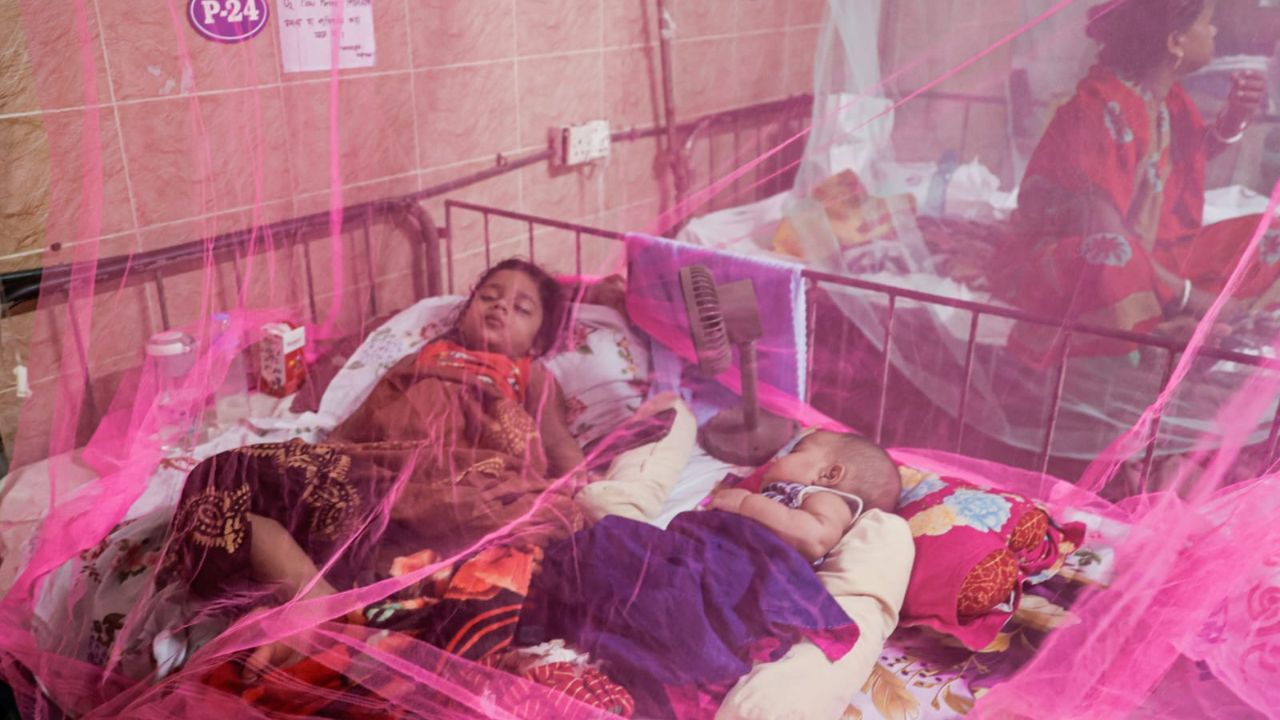

“School is closed now, so I help my family with the work, but the job is difficult,” she said.
Farmers acknowledge that children are often involved in the work because labour costs are lower.
While an adult male labourer earns between Tk400 and Tk600 a day, children usually work for little pay or simply as unpaid family members.
Farmers say tobacco companies play a key role in encouraging cultivation by offering financial support and inputs at the beginning of the season.
Saptibari Union farmer Faisal Raju said the companies provide almost everything required for the crop.
“They give us seeds, fertiliser and money in advance. We only have to work. With rice there is always a risk of loss, but tobacco companies guarantee the market,” he said.
Rights groups say the rapid expansion of tobacco farming is creating serious social and health risks.
Sushashoner Jonno Nagorik (Sujan) Lalmonirhat district General Secretary Anisur Rahman said stronger government incentives are needed to encourage farmers to switch to alternative crops such as maize, sunflower and vegetables.
“Children are increasingly becoming involved in tobacco cultivation and processing. This will have a negative impact on the next generation,” he said.
Health specialists warn that exposure to tobacco plants can be particularly dangerous for children.
Lalmonirhat District Sadar Hospital medical officer and child specialist Tapan Kumar Roy said nicotine from raw tobacco leaves and vapours released during processing can enter the bloodstream through the skin.
“This exposure can cause long-term lung damage, chronic breathing problems such as asthma, skin diseases and weakened immunity,” he said.
“In the long term, children exposed to tobacco processing face higher risks of cancer and kidney complications,” he added.
Department of Agricultural Extension Lalmonirhat Deputy Director Saikhul Arifin said the authorities are trying to raise awareness about the harmful effects of tobacco cultivation and encourage farmers to grow alternative crops.
“Many farmers are attracted by the facilities offered by tobacco companies. However, tobacco farming damages soil fertility over the long term,” he said.
He added that coordinated efforts from government agencies and local communities are needed to control the expansion of tobacco cultivation in the district.