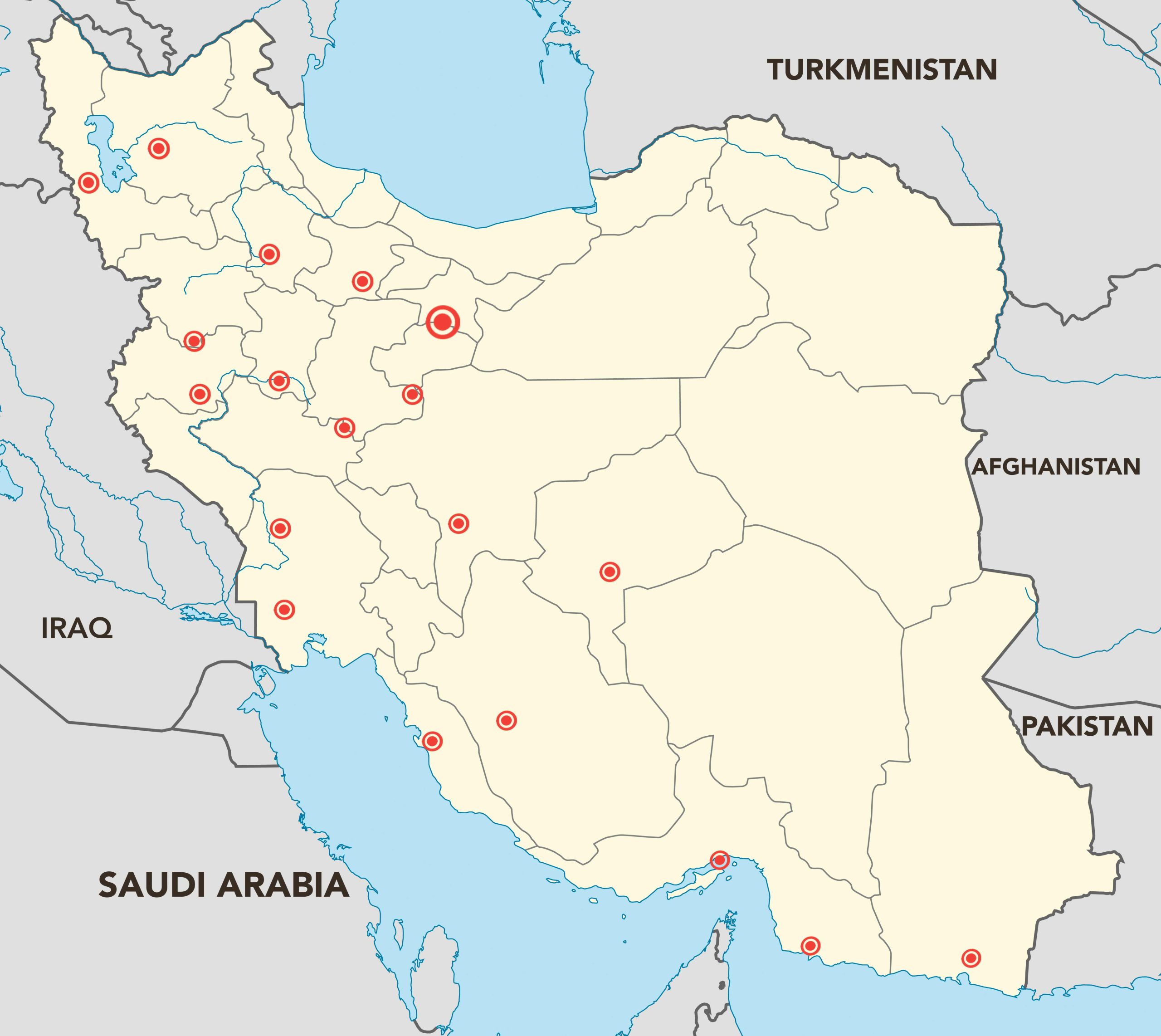
On February 28, 2026, Iran woke to a new and devastating chapter in its modern history. In a coordinated offensive, the United States and Israel launched multi-wave military strikes across at least 18 provinces of Iran.
The attack involved missiles, cruise weapons and drones aimed at crippling Tehran’s nuclear capabilities and top command structures.
At least 59 separate attacks were recorded in the first hours alone, marking one of the broadest aerial campaigns on Iranian soil in decades. Explosions ripped through major Iranian cities, including Tehran, Isfahan, Natanz, Fordow and more, marking a dramatic escalation in a conflict long defined by proxy battles and simmering tensions.

For ordinary Iranians, the attack brought sudden and horrifying loss. In the southern city of Minab, a strike on an elementary girls’ school killed at least 148 children and left communities shattered in an instant. The Iranian Red Crescent reported more than 201 people killed and over 747 injured nationwide, figures that will almost certainly rise as the full human toll becomes clear.
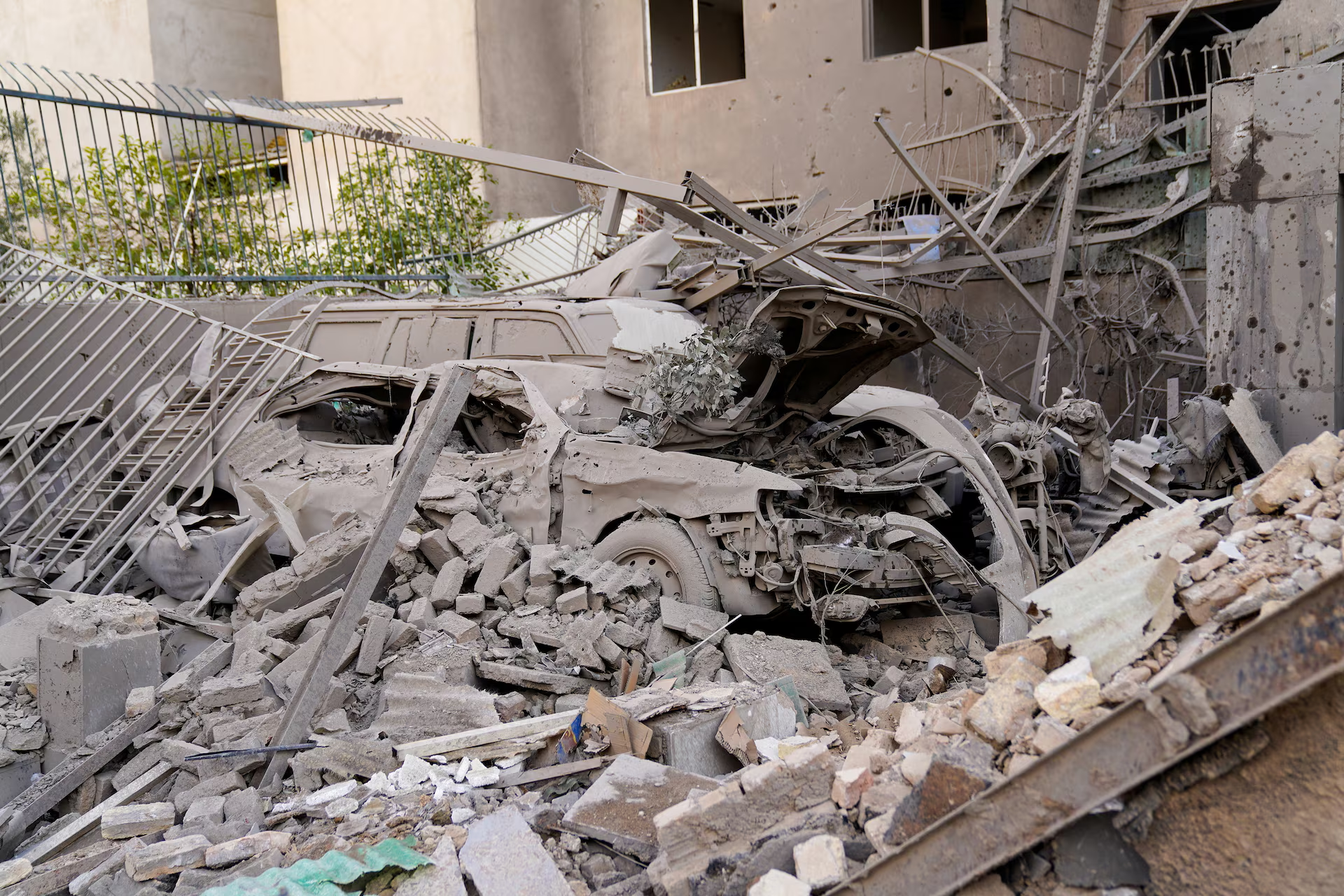
The shock of these strikes was compounded by the reported death of Iran’s Supreme Leader, Ayatollah Ali Khamenei, a figure synonymous with the Islamic Republic’s modern identity. Official accounts differ, but the impact on national morale is unmistakable. In Tehran and beyond, families mourn not just loved ones but the sudden removal of the man who for decades embodied their nation’s direction.
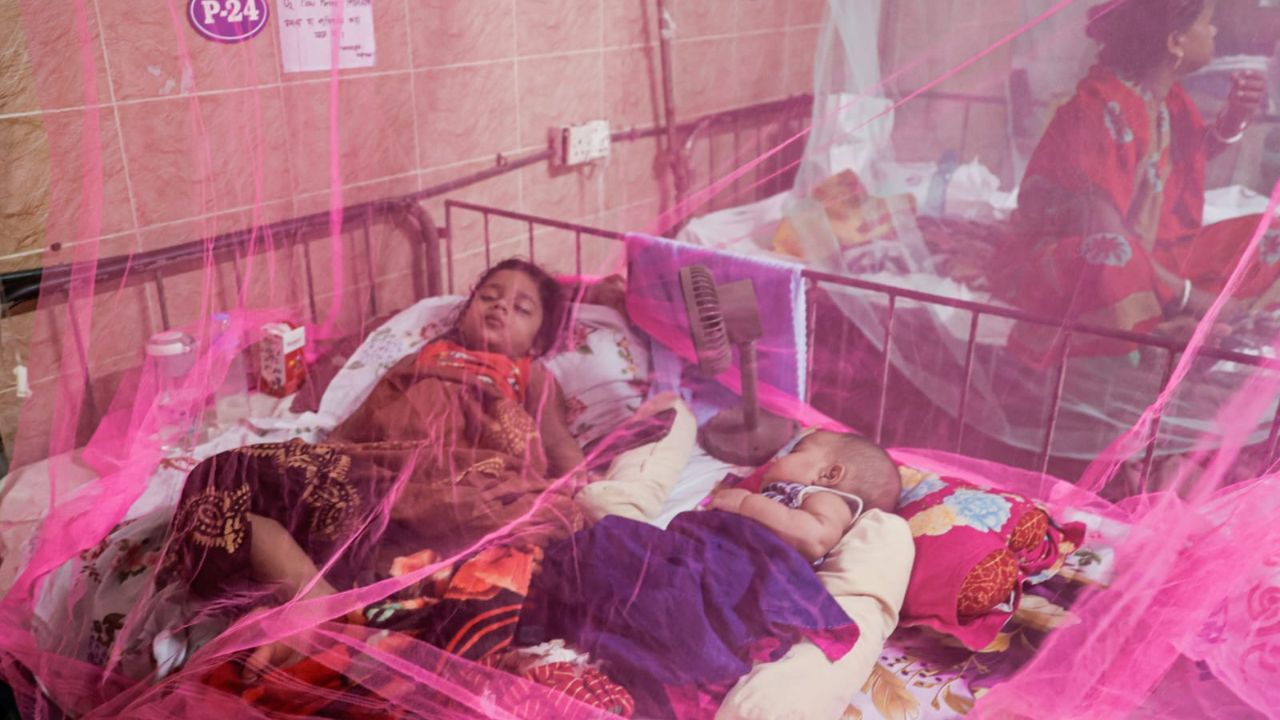


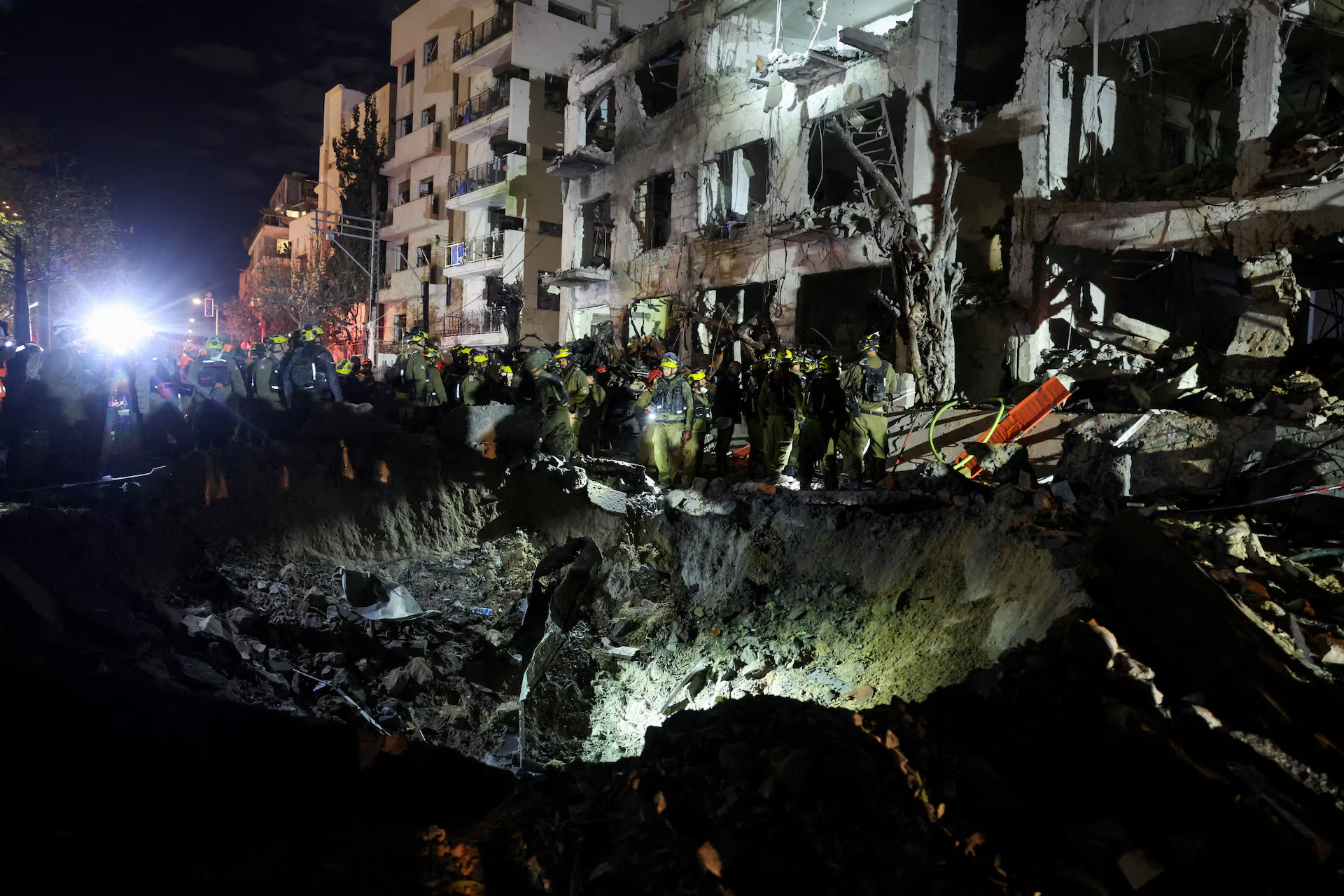
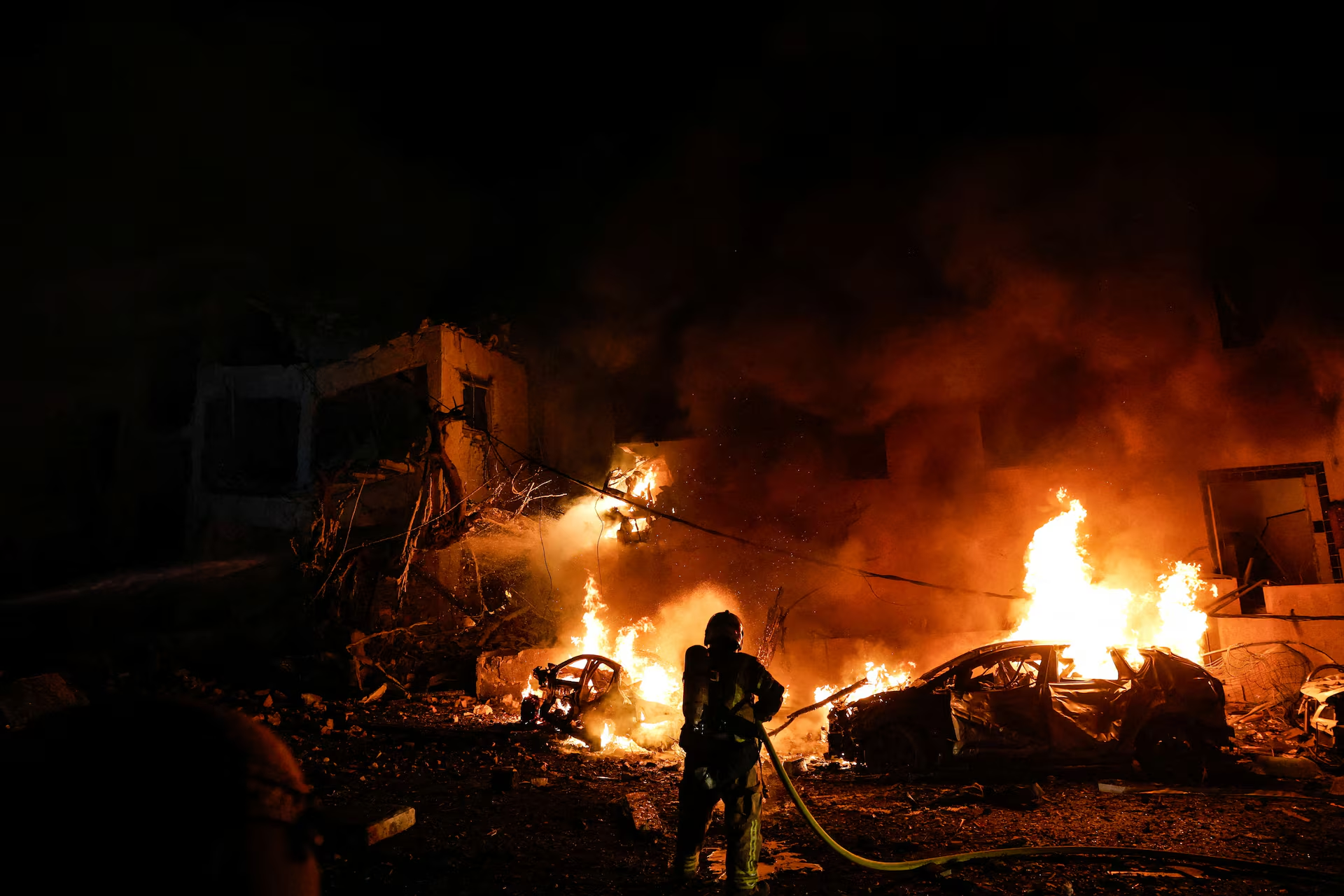
The human cost extends far beyond headline figures. Hospitals overwhelmed with the wounded, parents searching for missing children, and entire neighbourhoods reduced to rubble tell a story that statistics can never fully capture. Schools have closed, transportation networks have faltered, and fear now shapes everyday life for millions of Iranians coping with the threat of continued strikes.
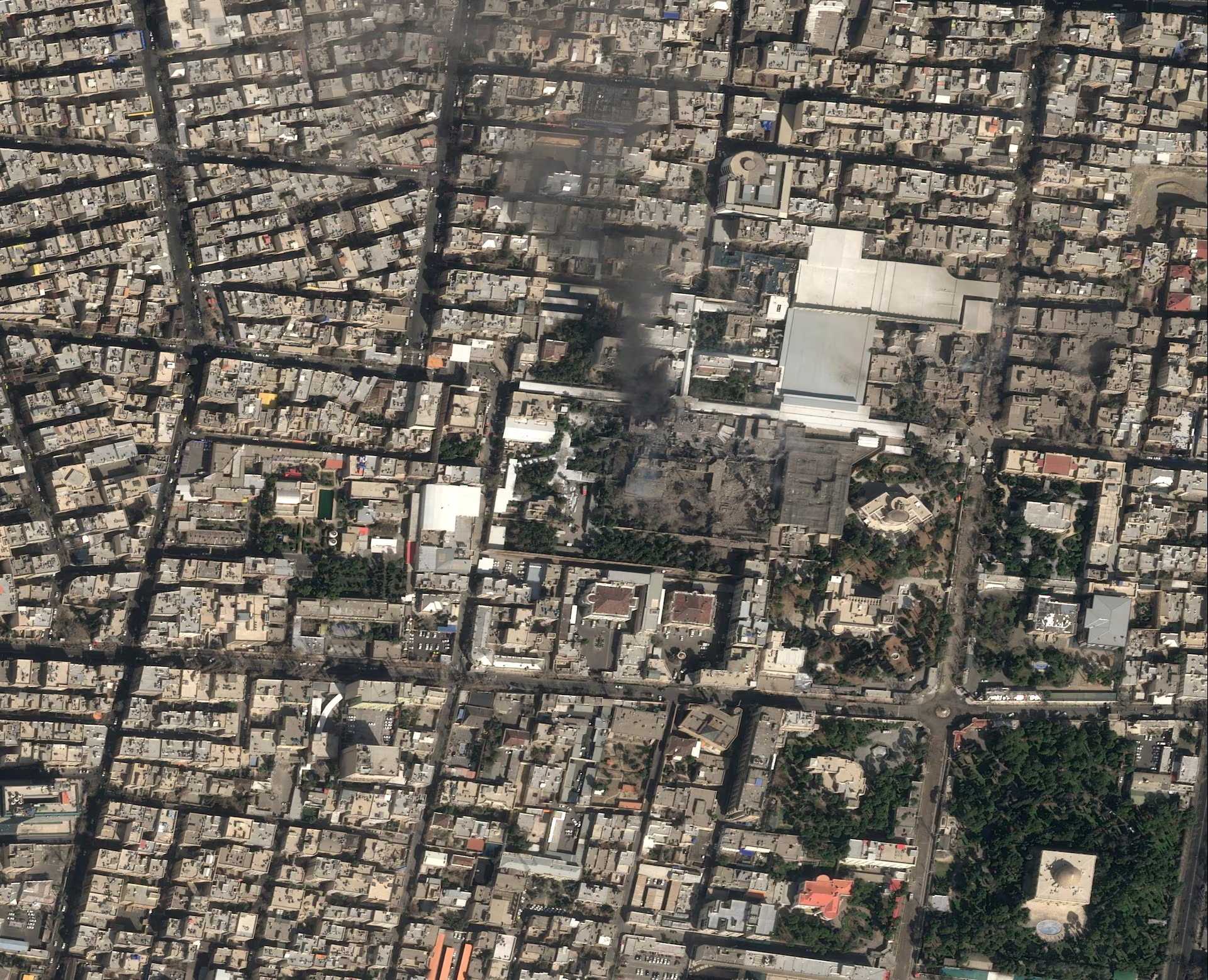
Officials reported infrastructure damage and widespread internet outages. The impact of the strikes went beyond immediate physical harm to disrupt daily life and communication across large parts of the country.
Internationally, the violence has triggered alarm. Governments and global institutions called for restraint, warning that the conflict could spill across borders and deepen instability in an already volatile region.
The closure of major shipping routes and soaring energy prices show how far-reaching the repercussions are from the Strait of Hormuz to fuel pumps and markets worldwide.
Yet the most vivid devastation remains in the streets of Iran itself. Behind every number is a family grieving a child, a neighbour pulling survivors from wreckage, a community forced to confront a new and uncertain future. In the end, the cost of this assault will be measured not just in geopolitics but in countless lives forever altered.