Bangladesh head coach Peter James Butler has described his side’s qualification for the upcoming Women’s Asian Cup as a “huge achievement”, while insisting his young squad must now prove they belong on the continental stage.
The tournament, set to begin in Australia on 3 March 2026, will mark Bangladesh’s first appearance at Asia’s premier women’s competition. Drawn in Group B alongside North Korea, China and Uzbekistan, Butler’s team face a formidable task to progress beyond the opening round.
The stakes are considerable. The eight quarter-finalists will secure direct qualification for the 2028 Los Angeles Olympics, while the top six sides will book their places at the Women’s World Cup in Brazil later this year.
Speaking ahead of the tournament, Butler emphasised that qualification alone signals meaningful progress for Bangladesh women’s football.

“I see playing in this Asian Cup as a huge achievement,” he said. “This is a very young squad — almost half the players are under 20 — and our Under-20 team have also qualified for their Asian Cup. That shows positive momentum.”
Bangladesh retained the SAFF Women’s Championship title in 2024 under Butler, having first lifted the trophy in 2022. However, the aftermath of that triumph saw significant upheaval, including the departure of several senior players following internal disputes. Experienced figures such as Sabina Khatun and Masura Parvin are no longer part of the set-up, as Butler has opted to rebuild with emerging talents including Afida Khandakar and Swapna.


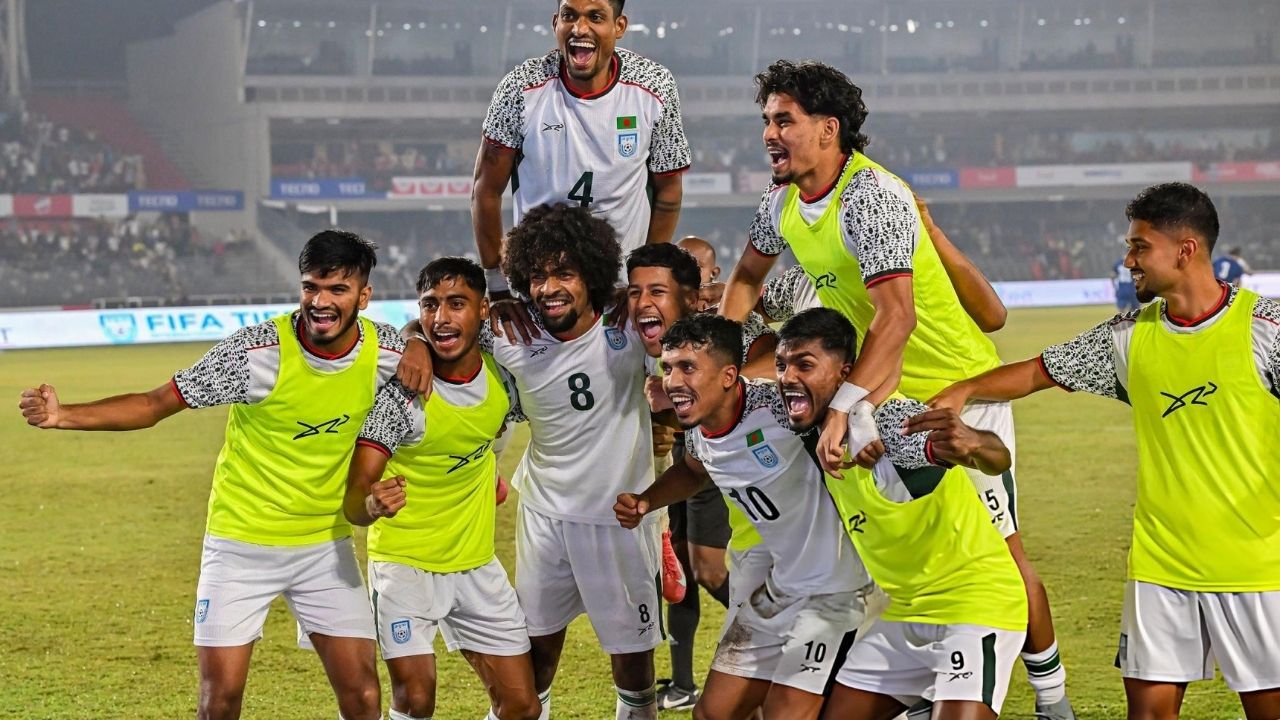

The former West Ham United player has been clear that immediate silverware is not the objective. Instead, he is focused on laying foundations for sustained competitiveness.
“We are not going there expecting to win the tournament,” Butler said. “Our aim is to build a structure so Bangladesh can qualify consistently and compete properly at this level.”
Preparations have not been without challenges. Butler pointed to limitations in infrastructure, nutrition and training facilities as ongoing obstacles, stressing the need for adaptability within the programme.
“There is a shortage of quality training grounds, and diet and nutrition remain areas for improvement. We have had to adjust constantly. Development is not just about social media clips — it is about proper coaching, planning and long-term work.”
On the pitch, Bangladesh face a stern examination. North Korea are nine-time champions of the competition, while China have won it three times. Uzbekistan may represent the most realistic opportunity for points, but Butler insists his side will approach every match with discipline and belief.
“We will be organised, competitive and try to play good football,” he said. “Qualifying for the World Cup would be like climbing a mountain for us, but we will give everything.”