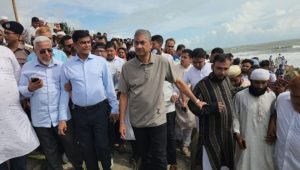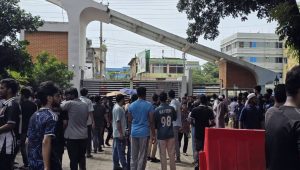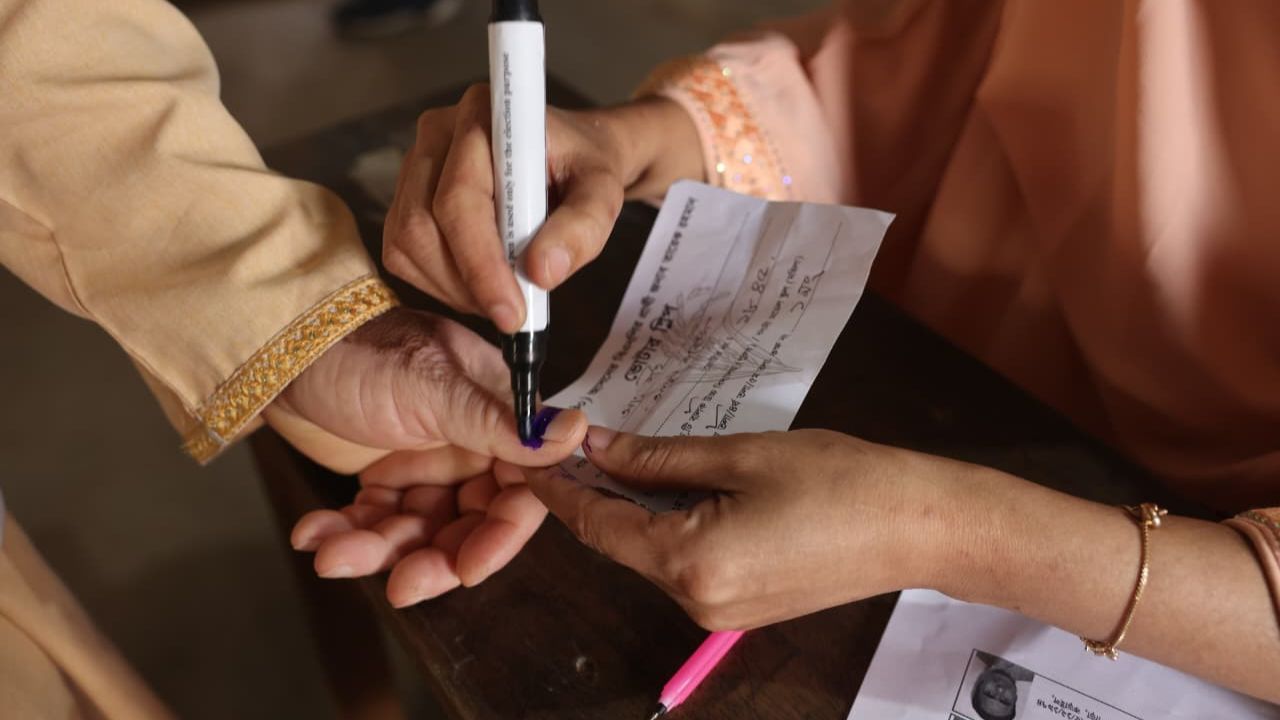

International media have placed Bangladesh at the centre of global attention as the country holds its first national election after the 2024 mass uprising that ended Sheikh Hasina’s long rule. Alongside the parliamentary vote, a referendum on key state reforms has further heightened international interest, with major global outlets publishing extensive reports, live updates and analysis.
Reuters published a report titled “Bangladesh’s Gen Z voters pin hopes on jobs, governance and freedom”, highlighting that employment, accountability and the freedom to speak without fear top the priorities of young voters. The agency described the vote as the first competitive election since 2009 and noted that the Awami League did not participate after its registration was suspended. Reuters also reported long queues at polling centres and said voters were seeking political stability and economic recovery after months of unrest that affected major sectors, including the garment industry. Reuters later ran another story with live updates on polling results and a photo feature on the 2024 mass uprising under the headline “Counting begins in first vote since Sheikh Hasina’s ouster.”
Agence France-Presse (AFP), in its report “Bangladesh expects higher voter turnout after uprising”, said the Election Commission anticipates strong participation in the first vote following what it described as the end of 15 years of authoritarian rule. Election officials noted that many voters in their twenties and thirties had previously been unable to freely choose their preferred candidates.
The New York Times published “Students Won a Revolution in Bangladesh. They Want So Much More”, reporting that many young people who joined the 2024 protests now see the election as a chance to reshape the country’s future. Another report titled “Bangladesh Holds Elections on Thursday. Here’s What to Know” provided extensive facts and background on the country and the vote.

Qatar-based Al Jazeera, in “Bangladesh tightens security ahead of first election since 2024 uprising”, reported the deployment of more than 157,000 police personnel along with around 100,000 troops and additional security forces nationwide. The outlet said the country has nearly 127 million registered voters. It later published live updates under the headline “Bangladesh election live results 2026: By the numbers.”
Germany’s Deutsche Welle, under the headline “Bangladesh elections: Polls close in landmark vote”, said the political landscape has shifted after the Awami League’s exclusion. The outlet also produced several separate human-interest stories centred on the election.


India’s The Hindu reported that more than half of the country’s polling centres were classified as “vulnerable”, with about 90 per cent of those under CCTV surveillance. Police in Dhaka were also equipped with body cameras to strengthen monitoring.
British broadcaster BBC launched live coverage under the headline “Polls close in first election since Gen Z protests ousted Bangladesh leader.” The report covered the overall scenario throughout the day. It also highlighted confusion among voters over the referendum, the spread of AI-generated misinformation online and the strong presence of young voters.
It said, while voters feel a renewed sense of democratic opportunity after years without a credible election, they also remain cautious.
The Guardian described the vote as a “critical” election and reported that BNP leader Tarique Rahman is a leading contender for prime minister. In “Tarique Rahman promises era of clean politics as Bangladesh holds first election since fall of Hasina”, the report said he pledged a zero-tolerance policy on corruption. It also warned that the rise of Jamaat and Islamist alliances could pose political challenges even if BNP wins.
Regional and international outlets also reported incidents of election-related violence and tensions. Indian media highlighted clashes and bomb attacks at polling centres, while China’s Xinhua and Pakistan’s Dawn carried detailed coverage of the political transition, the interim period and voter enthusiasm. NDTV reported the death of a minority community member ahead of the vote.
Across their coverage, international media described the election as a turning point following 17–18 months of an interim administration after the uprising. Many reports emphasised that the outcome would be crucial not only for political stability but also for economic recovery and institutional reforms.
The election for 299 parliamentary seats, held alongside a nationwide referendum, drew sustained global attention, with live reporting and regular analysis from outlets including Reuters, AFP, BBC, Al Jazeera, Deutsche Welle, The New York Times, The Guardian and major regional media.
Voting in the 13th parliamentary election and referendum concluded after continuing uninterrupted for nine hours. Polling ended peacefully at 4:30pm, and vote counting began immediately, marking the close of a closely watched and globally followed electoral exercise.