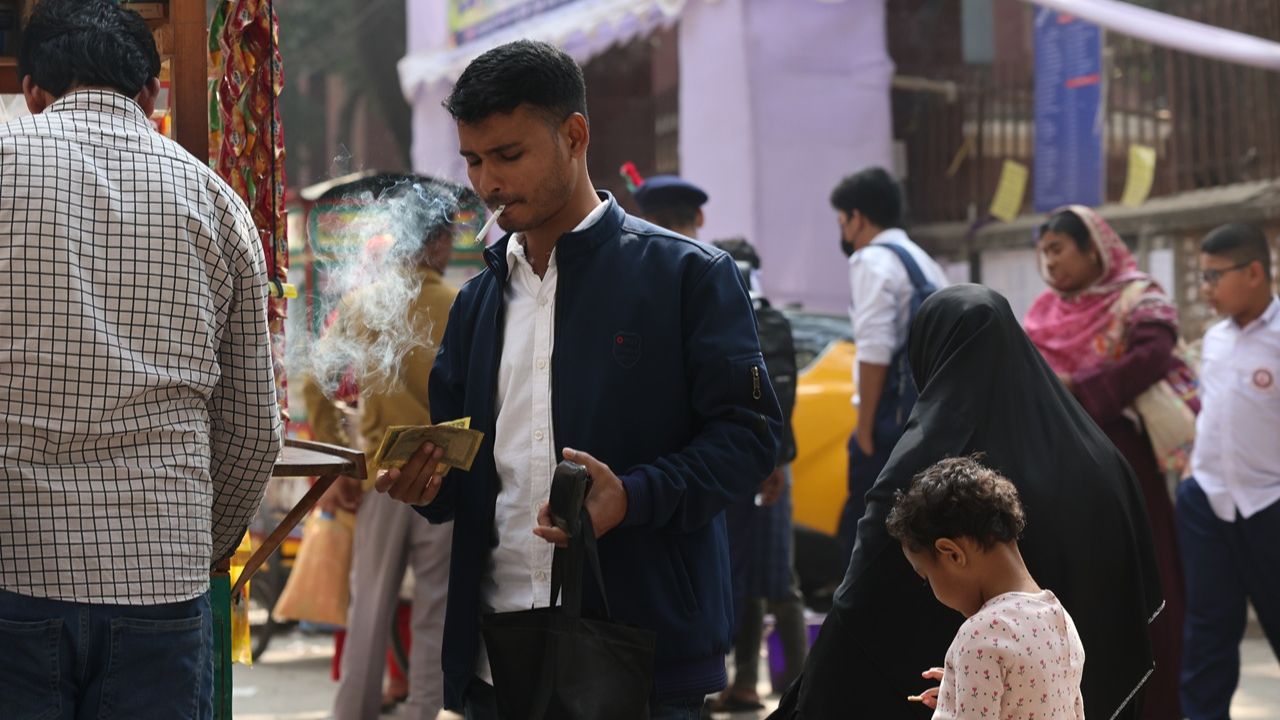



A cigarette lasts a few minutes, but the damage lasts for decades. In Bangladesh, smoking in public places is illegal. Yet it still happens every day, everywhere: Bus stops, parks, footpaths, restaurants, washrooms, office gates.
The law is clear. The Smoking and Tobacco Products Usage (Control) Act makes it illegal to smoke in places, like hospitals, schools, government offices, public transport, parks and even enclosed public areas. If you break this rule, you can be fined. The fine was once around Tk 300, but now it has been increased to Tk 2,000 for public smoking under a new amendment.
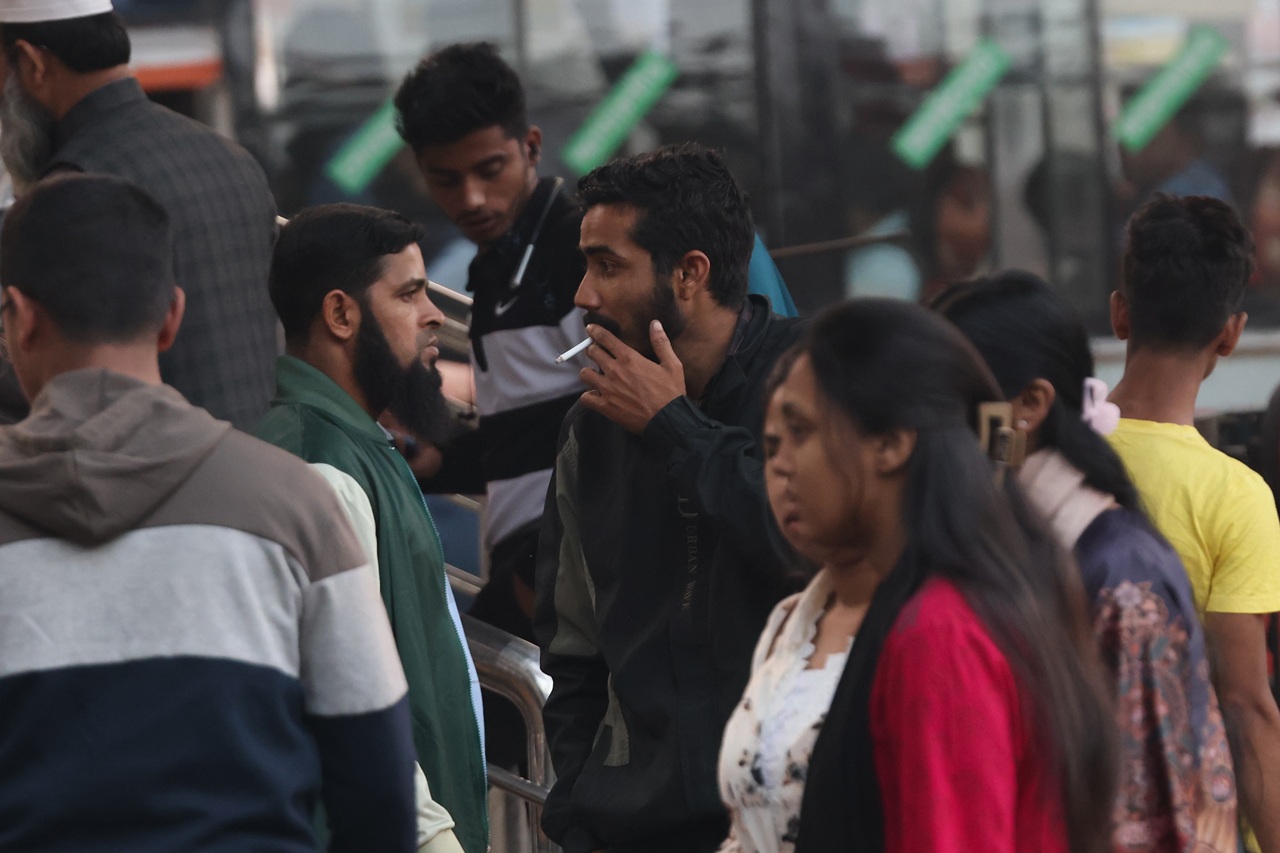
The law is meant to protect people from second-hand smoke. Second-hand smoke is the smoke that others breathe when a smoker exhales or when a cigarette burns. It contains thousands of toxic chemicals. Hundreds of these chemicals can cause cancer. People still smoke cigarettes.

Health experts warn that second-hand smoke kills people. Globally, it is linked to more than 6,00,000 deaths every year, including many women and children.
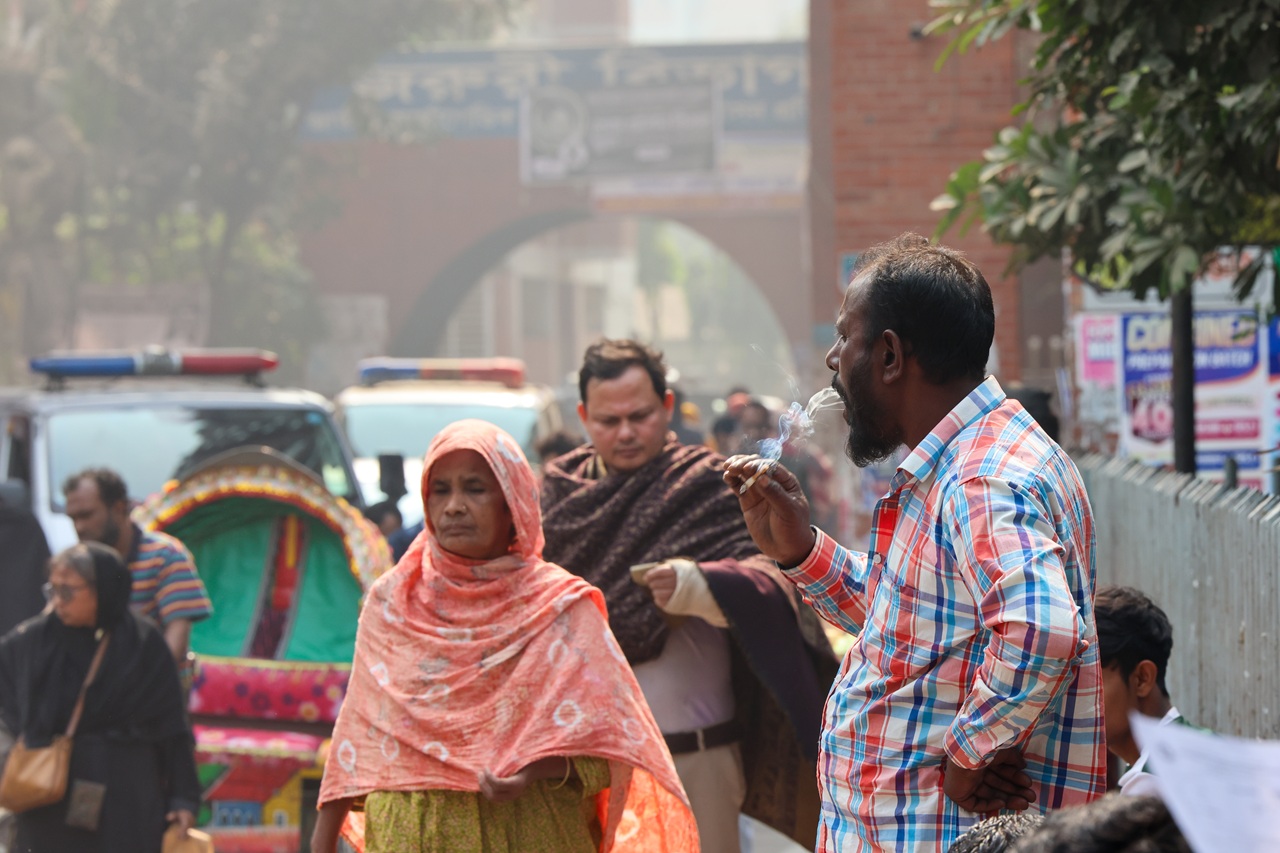
Children are especially at risk. Their lungs are still growing. Breathing smoke can lead to frequent coughs, more chest infections, asthma attacks, and long-term lung damage. Women who breathe second-hand smoke also face higher risks of heart and lung disease.




Even with the laws, many people ignore the rules. Surveys in Dhaka show that most children are exposed to second-hand smoke in public places. Many think outdoor smoking is harmless, but it’s not. Smoke travels, lingers and stays in the air. Experts say there is no safe level of exposure to tobacco smoke. This means any amount of second-hand smoke can be harmful.
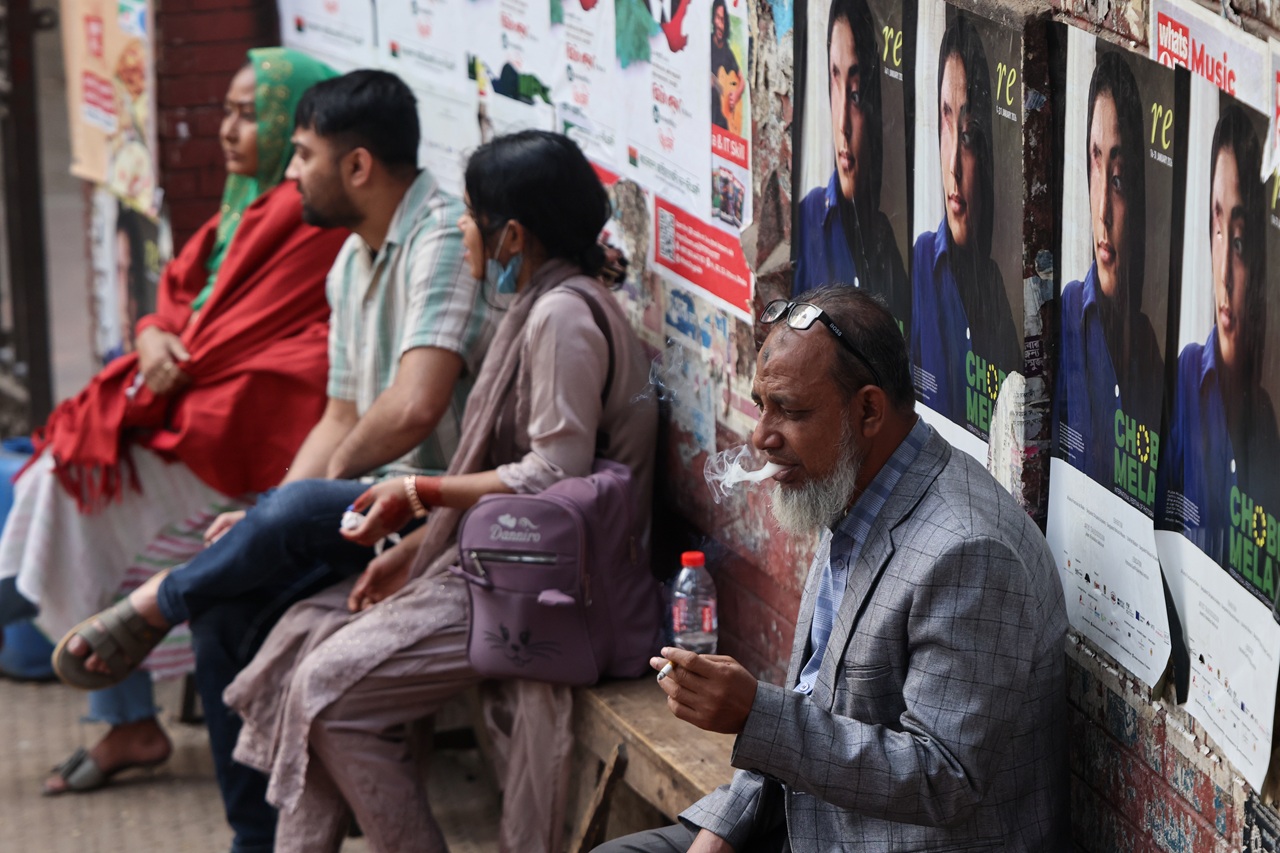
In Bangladesh, enforcement is always weak and rules are treated lightly. That is the real problem. Not the law but the mindset.
Public spaces belong to everyone, not just smokers or non-smokers. Smoking is a personal choice, but public smoking is not personal. It affects others.
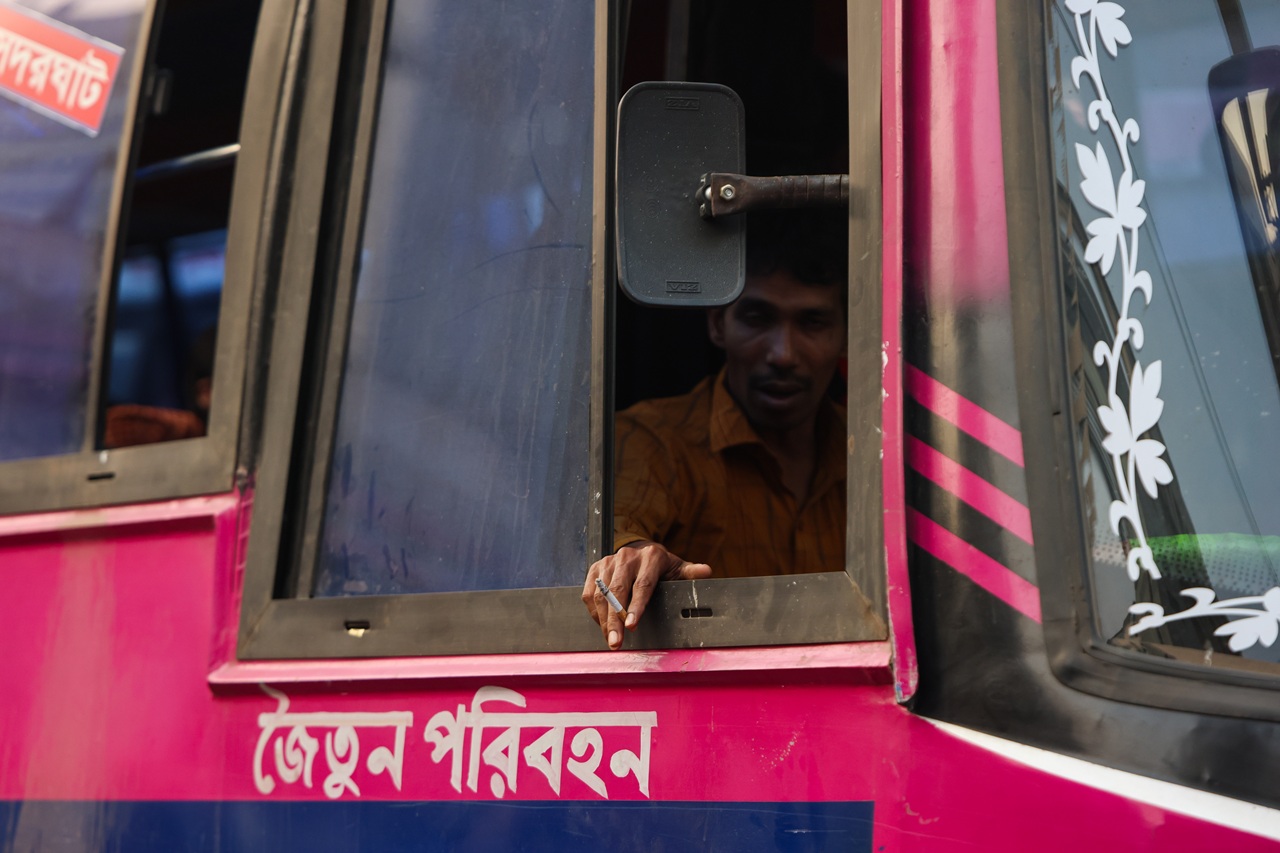
Respect for others’ health should be part of everyday life. Smokers can help by stepping away from crowds, especially near children and the elderly. Enforcement agencies must act too. Only then can public spaces be truly smoke-free.