Once rising nearly 50 feet above the surrounding land, Shah Arefin Tila stood as a natural and spiritual landmark of Sylhet. Spread across almost 500 acres, the hill is closely linked to the shrine of Hazrat Shah Arefin (RA), a companion of Hazrat Shahjalal (RA). For nearly 700 years, layers of soil and stone shaped this historic landscape. Today, that hill has been reduced to little more than a skeleton.
Relentless stone plundering over decades has stripped Shah Arefin Tila of its form. Yet even this skeletal remnant has not been spared. Illegal stone-breaking machines have been installed directly on the ruins. Workers armed with spades and shovels continue to dig, overturning debris in search of stones, determined to extract what locals describe as the hill’s “last drop of blood.”
The scale of the looting is staggering. On January 6, the Bureau of Mineral Development filed a case against 450 people for stone theft. A week earlier, Companiganj police filed a separate case naming more than 100 accused. These cases, however, appear to have done little to halt the destruction.

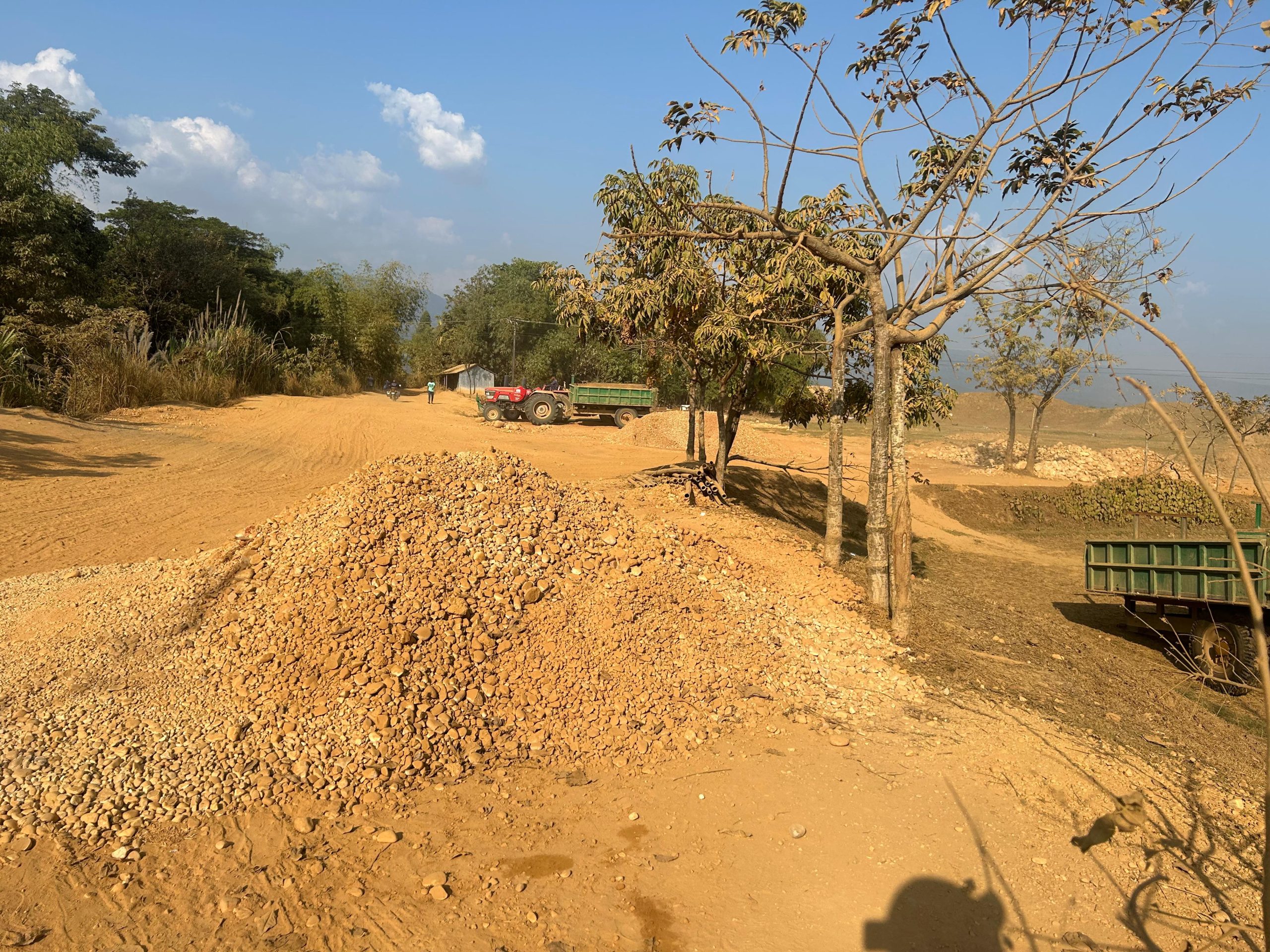
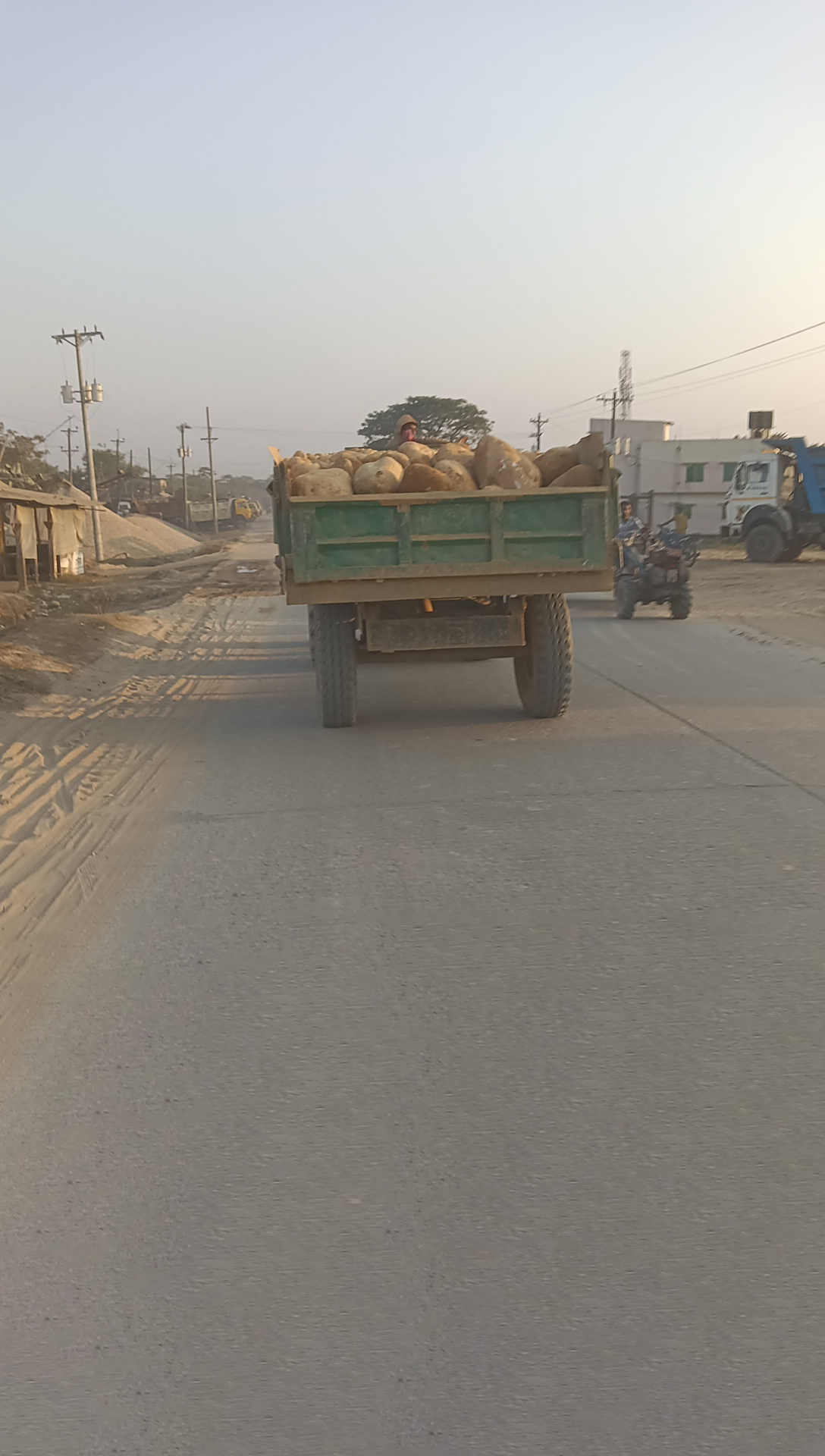
Earlier, alarmed by the devastation, Sylhet Deputy Commissioner Md Sarwar Alam visited the site on November 10. Following his visit, iron barricades were installed along the Sylhet-Bholaganj road adjacent to the hill. But the measures failed. Stone plunderers quickly adapted, using alternative routes through agricultural land to transport stones on trolleys to nearby crusher mills in Bholaganj. From there, the crushed stones are loaded onto trucks and shipped across the country.
What raises further concern is that between Sylhet city and Bholaganj, at least five to six police checkposts remain in operation. Although stone-laden trucks are reportedly stopped at these checkpoints, they continue to pass through all of them. The uninterrupted movement of looted stones has triggered serious questions about enforcement and accountability.




Local sources say the first wave of illegal extraction began around 2000. By 2014-15, stone-breaking machines were being openly used. Over the past 25 years, the removal of stone and soil has completely altered the landscape. What was once an iconic hill is now a scarred expanse of debris.
A recent field visit confirmed that the natural structure of Shah Arefin Tila no longer exists. Fresh pits are being dug into the ruins, and stones are being pulled out manually or by machine. It has become a skeleton.
Stone traders admit that no stone has been imported from India for over a month due to disputes at the Bholaganj customs station. Yet crusher mills in the area continue operating at full capacity, fuelled by stones extracted from Shah Arefin Tila. Male and female labourers work relentlessly, breaking stones in silence.
Although looted stones are openly processed, visible action by the upazila administration remains scarce. Authorities insist efforts are ongoing. Police say patrols have increased, machines have been destroyed, and arrests made. But as the Deputy Commissioner bluntly admitted, “There is nothing left at Shah Arefin. Everything has been destroyed.”
What remains is a grim reminder of how weak enforcement, prolonged inaction, and organised exploitation can erase centuries of natural and cultural heritage stone by stone.