The school bells have gone silent across Bangladesh. December’s report cards are being prepared, classrooms have emptied, and for most children, the next alarm clock will ring in a brand-new year.
The long, sweet stretch of the Bangladeshi winter holiday has arrived — that magical time when evenings turn cooler, and kids finally breathe again after exam season.
But for today’s children — the screen-swiping, algorithm-led, Gen Alpha — free time doesn’t automatically mean slow time. It means more reels, more shorts, more blinking notifications.
Meanwhile, their parents — the 90s generation — have been quietly craving a different kind of entertainment for their children.
Something warmer. Softer. Slower. Something imaginative, not overwhelming. Something with the kind of soul that today’s content rarely carries.
So this holiday season, Bangladeshi parents can plan a gentle rebellion: replacing frantic new releases with classic 90s and early-2000s movies — the very films that shaped their own childhoods. Because when a parent settles on the sofa with a child and says, “Ammu watched this when she was your age,” something rare happens: two generations meet on common ground.
This is not a nostalgic list done by rote. Think of it as a cinematic letter from one generation to the next — an invitation to meet, argue, laugh, and maybe cry together.
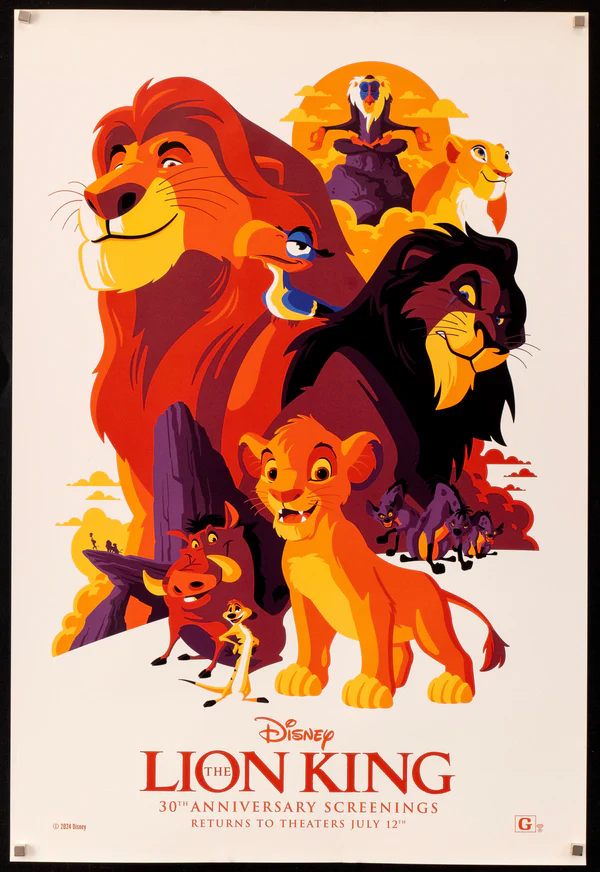
The Lion King (1994) – Age: 6+
There is a reason The Lion King became the emotional education of an entire generation. In an era before smartphones, this film taught 90s kids about courage, grief, leadership, and forgiveness — in a language so visual and poetic that it stayed with them well into adulthood. Watching it today, Bangladeshi parents find themselves explaining: “This was the first movie that made us cry. Really cry.” For Gen Alpha, the vibrant savannah, Timon and Pumbaa’s silliness, and the dramatic hero’s journey make it instantly gripping. It’s a cross-generational emotional handshake.
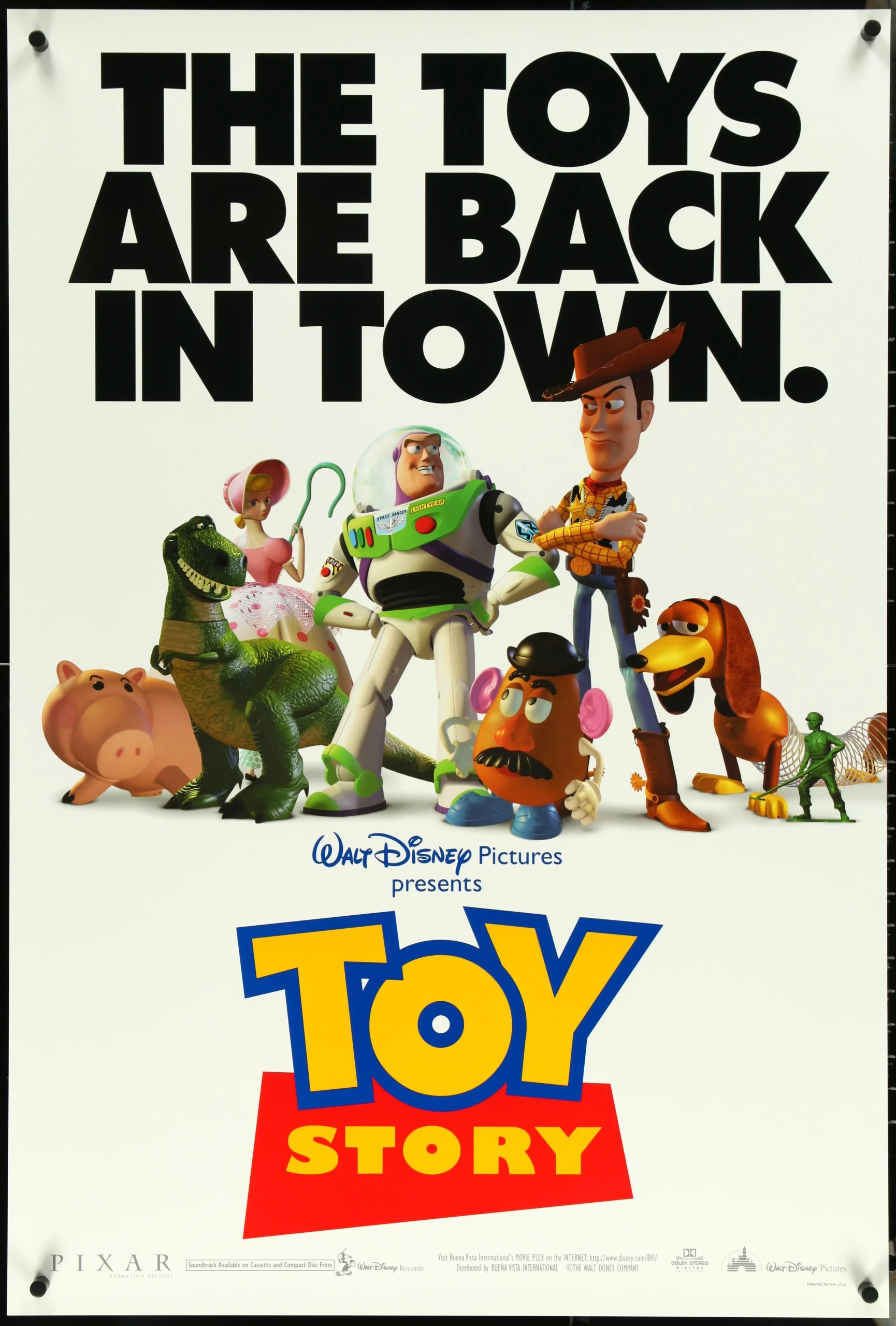
Toy Story – Age: 5+

Toy Story is not simply about toys. It is a gentle philosophy class for small people packaged as a buddy comedy. It teaches loyalty, the pain of being replaced, and the dignity of choice — themes familiar to any parent watching a child move to a new school grade. When a child in Bangladesh sees Woody and Buzz argue then reconcile, the scene functions as a tiny rehearsal for sharing, for jealousy, for friendship. It is a perfect film to watch the day after results are posted and friendships briefly shift.
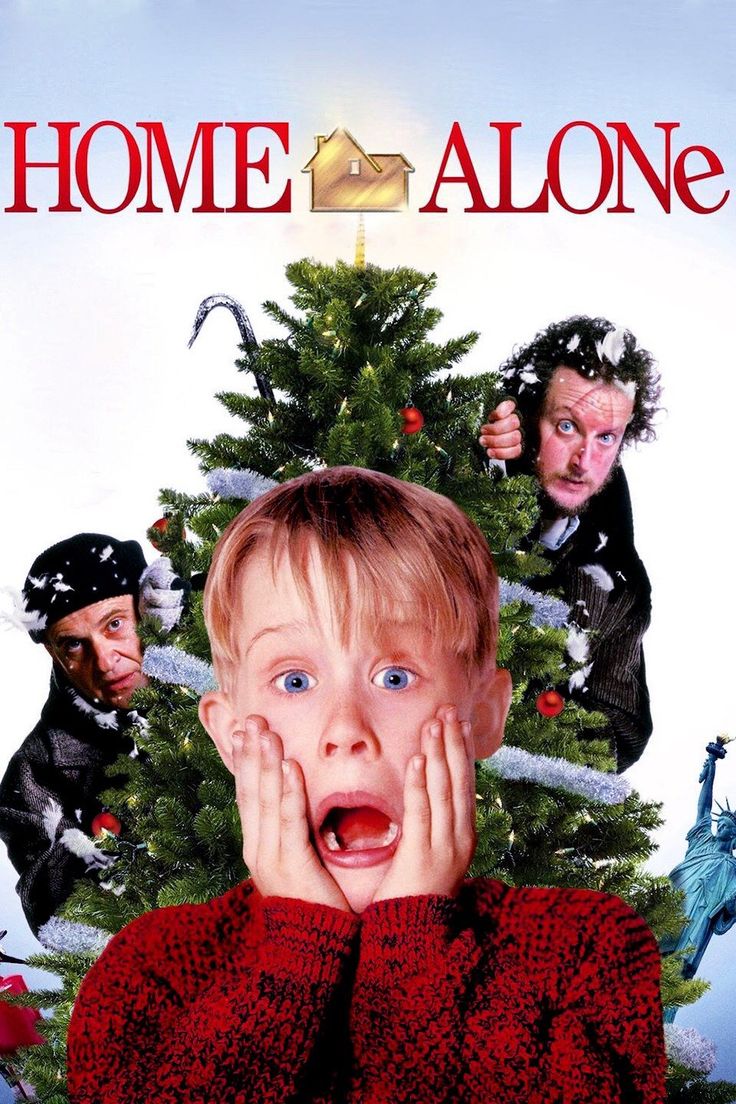
Home Alone (1990) & Home Alone 2 (1992) – Age: 7+
No winter holiday in Bangladesh is complete without a TV channel rerunning Home Alone. For 90s kids, this was the closest thing to a December ritual — sitting in front of the screen, rooting for Kevin as if he were a cousin from Dhaka’s Uttara. The traps never get old. The villains never get less foolish. And children today will laugh exactly the way their parents once did. The traps, the pratfalls, the final reunion with family ring truer because here, too, gatherings are loud, messy, and full of love.
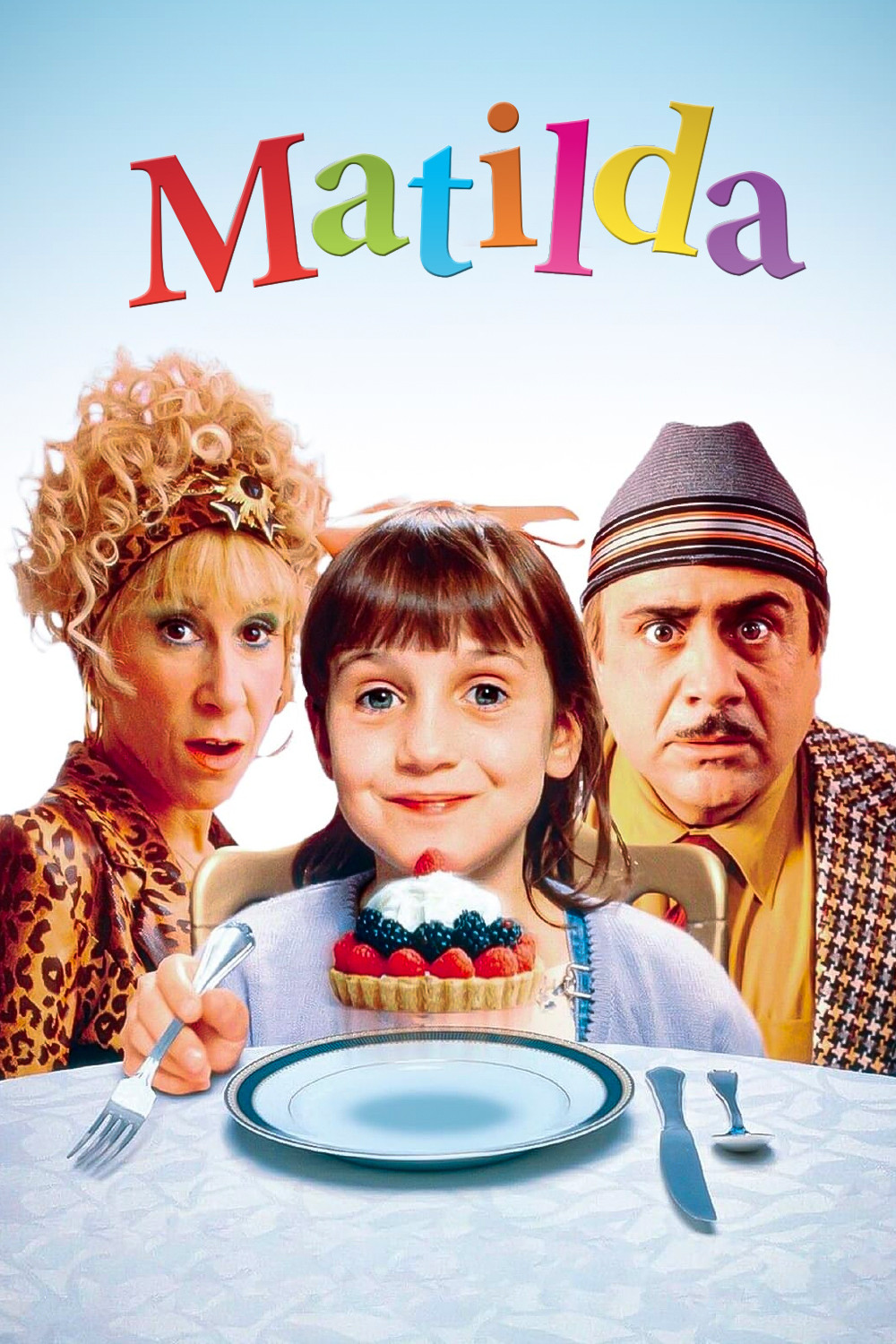
Matilda (1996) – Age: 6+
Bangladeshi parents often describe Matilda as “the first film that made us believe reading was a superpower.” Long before TikTok, this movie proved that intelligence could be magical — literally. Today’s children connect instantly with Matilda’s quiet rebellion and moral clarity. Parents, however, see something else: a story about resilience, about finding your people, and about the teacher every child deserves. It is a film that feels surprisingly modern in an era where kindness is a superpower. For parents who grew up with scarcity of resources or limited expectations, Matilda’s cleverness is a radical reassurance: intelligence and decency matter.




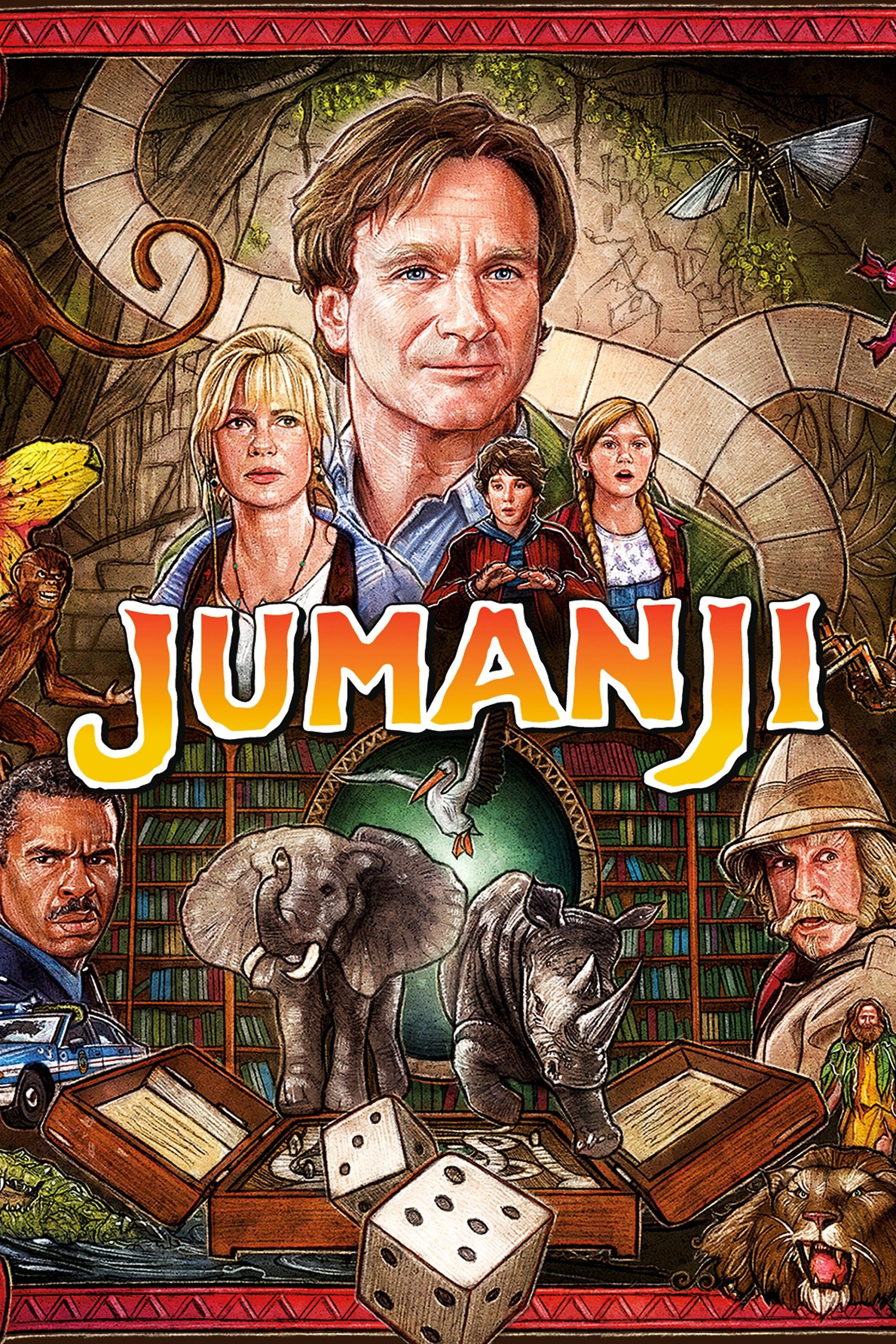
Jumanji (1995) – Age: 8+
In the 90s, kids imagined their Ludo board might suddenly come alive. That was the genius of Jumanji. The adventure wasn’t happening in a faraway galaxy — it felt like it could crash into any Bangladeshi living room. Jumanji carries a particular kind of handcrafted chaos that modern CGI sometimes loses. Its board-game peril — sudden thunderstorms, stampeding animals — plays like a tall tale told by a village elder, vivid and slightly theatrical. For children accustomed to rapid digital thrills, Jumanji is a useful reminder that suspense can be built with timing and imagination, not just spectacle.
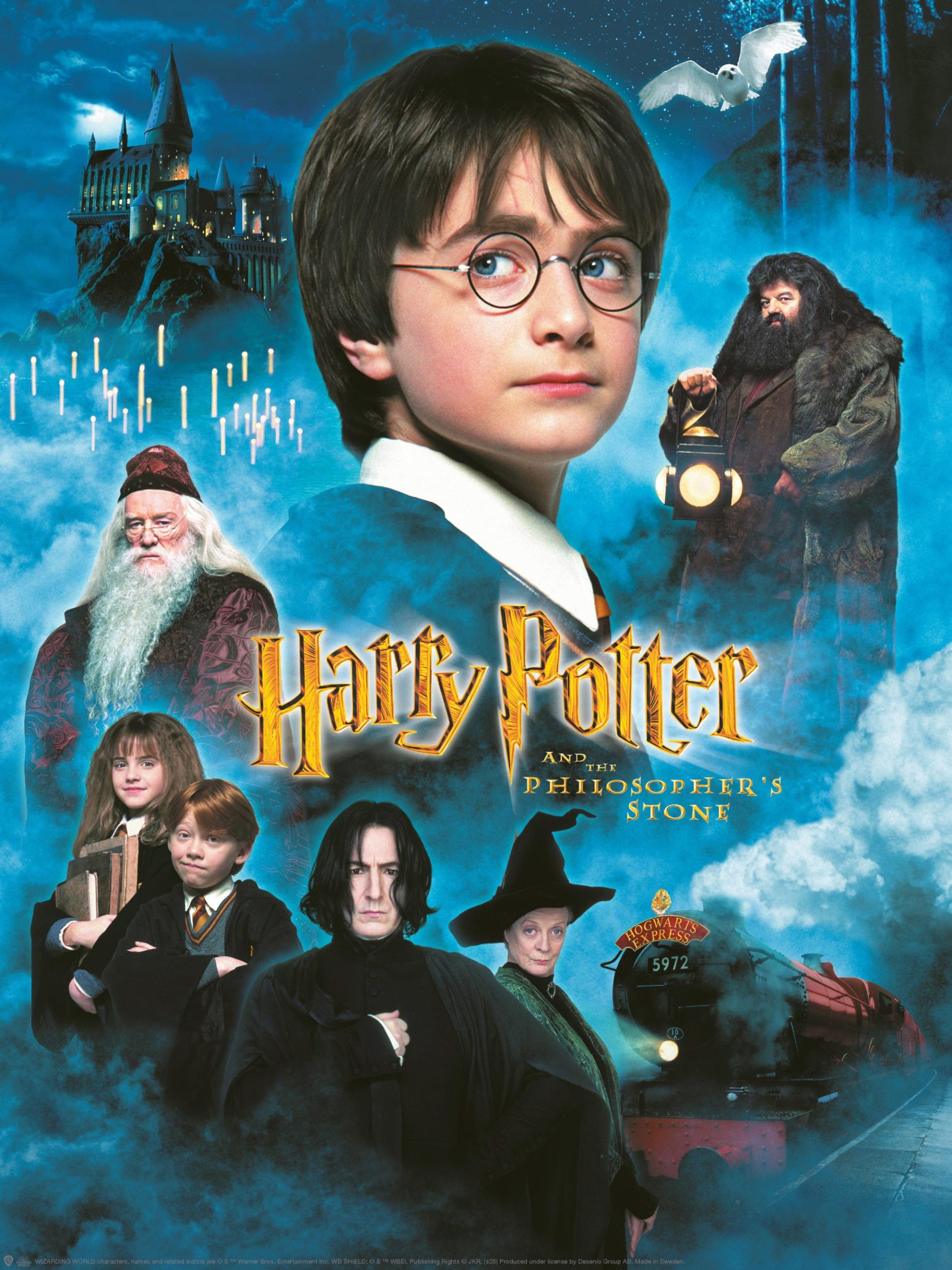
Harry Potter (series, beginning 2001) – Age: 11+
Bangladesh discovered Harry Potter almost in real time with the rest of the world — bookstores at Nilkhet sold photocopied versions of the books before the official editions arrived. Watching Harry Potter today is an act of time travel for Bangladeshi parents. It recalls the first time magic felt real. For Gen Alpha, it becomes an initiation that tells “This is the door to a world you grow up with.” And the best part? It continues for seven more films. More than a fantasy saga; it is a multigenerational rite.
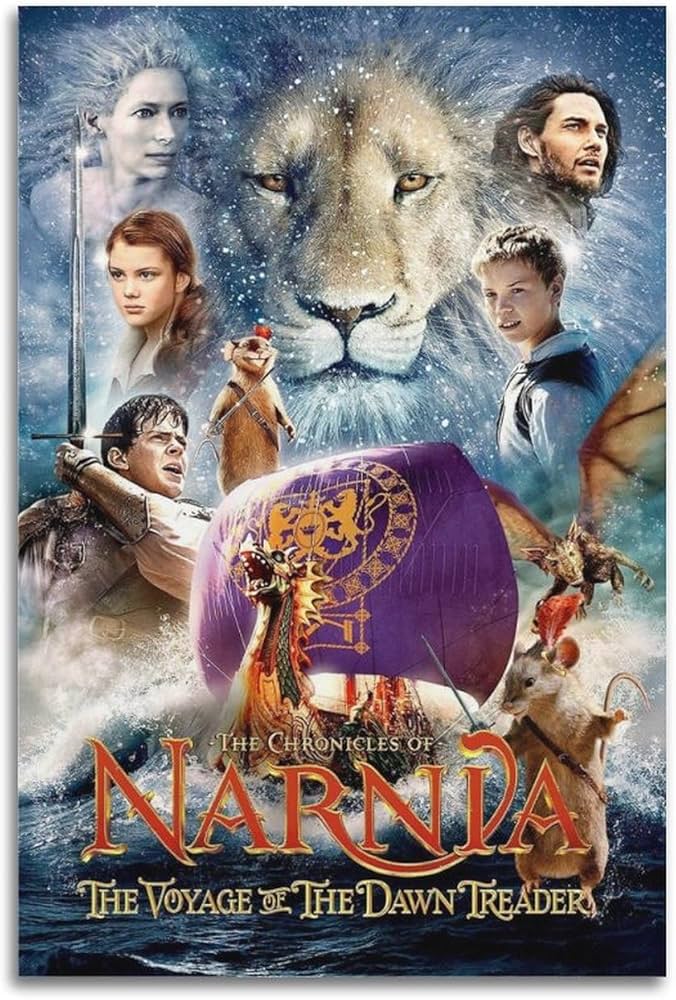
The Chronicles of Narnia (series, beginning 2005) – Age: 7+
Translates to a winter story for our climate: children stepping through ordinary doors into frost, magic, and moral dilemmas. Narnia’s blend of wonder and moral urgency makes it ideal in the winter holiday — a place where a child’s compassion matters and small acts have world-shaping consequences. It is perfect after an exam season when children are learning that choices have weight.
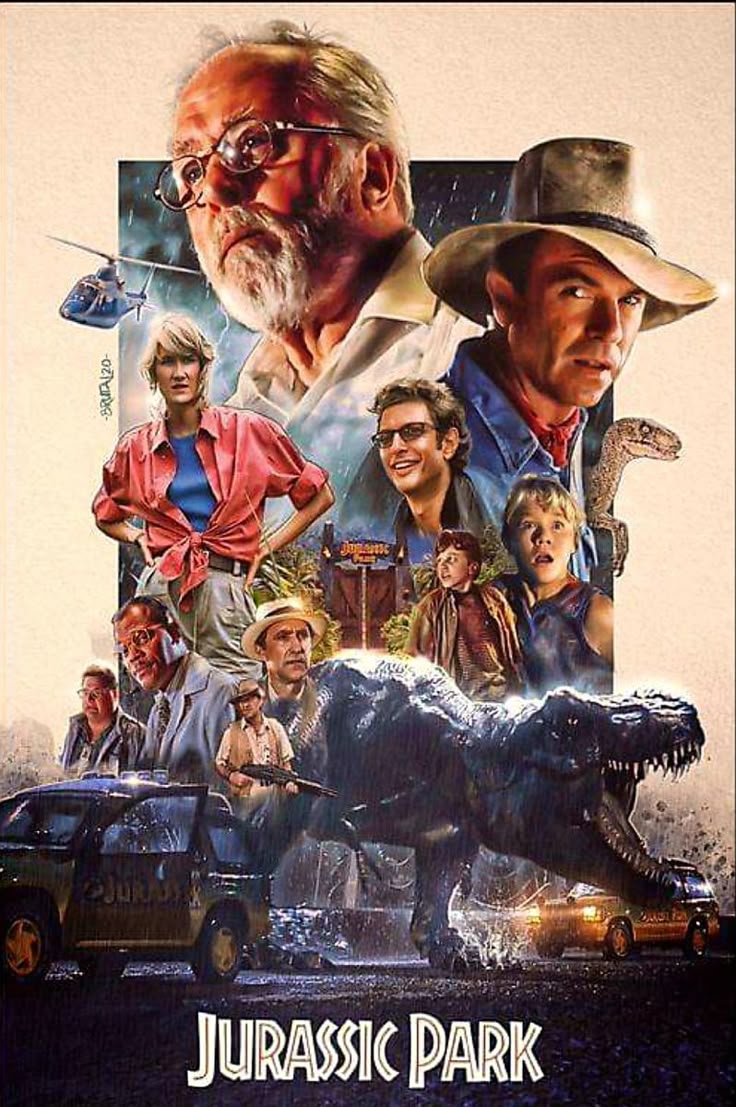
Jurassic Park Series (beginning 1993) – Age: 9+
Jurassic Park remains a masterclass in blending awe with tension. The dinosaurs are more than monsters; they are embodiments of human curiosity and its limits. For Bangladeshi children, the film is both thrilling and instructive — a story about responsibility, exploration, and the consequences of unchecked ambition. Parents can use the movie to discuss real-world science, safety, and ethics while sharing the unmatchable thrill of seeing a T-Rex erupt from the shadows. Sequels expand the adventure and moral dilemmas, keeping kids engaged across multiple holiday evenings.
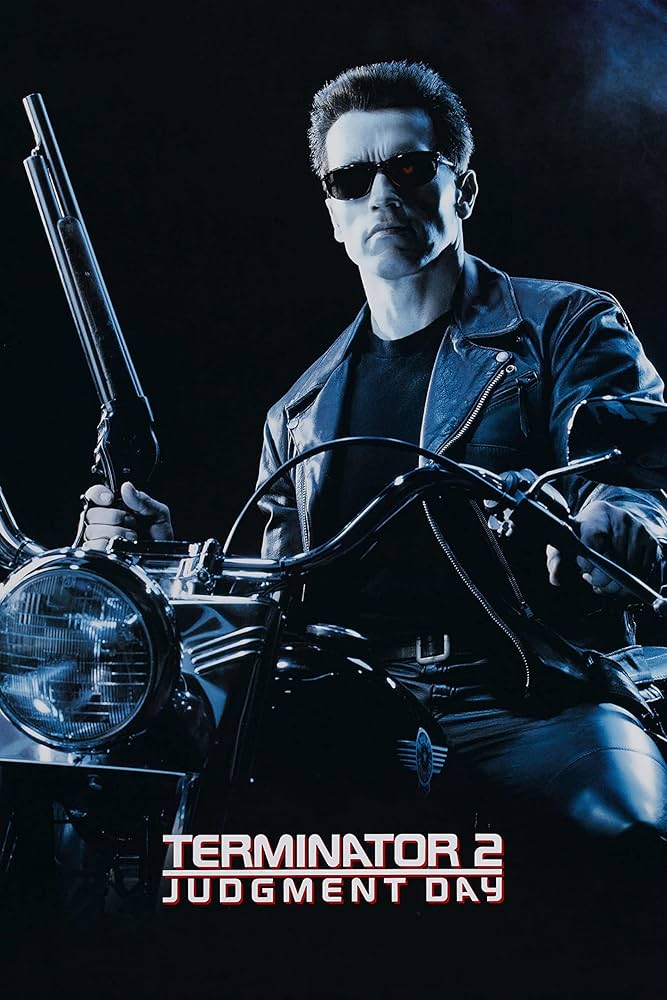
Terminator & Terminator 2 (1984 / 1991) – Age: 13+
These films are darker and more intense, making them suitable for teenagers. T2 in particular is not just an action spectacle; it is a meditation on protection, sacrifice, and what it means to learn empathy — even for a machine. For parents, watching alongside teens offers the chance to discuss technology’s ethical boundaries, artificial intelligence, and the responsibilities of invention. The combination of thrilling action and deeper questions makes these films both entertaining and thought-provoking.
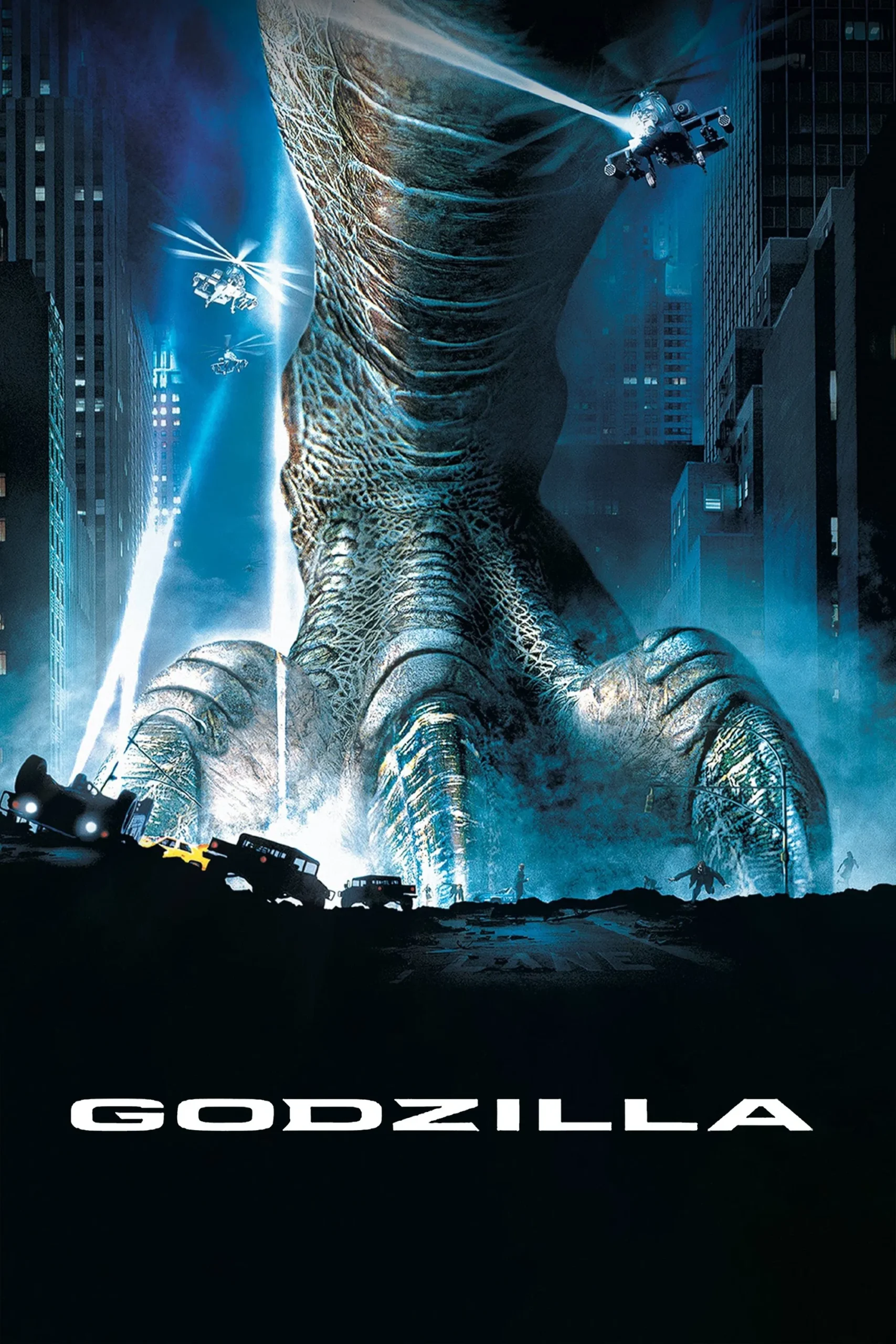
Godzilla (original 1998) – Age: 10+
The original Godzilla is more than a monster movie — it is a cinematic allegory for disaster, destruction, and the resilience needed to rebuild. For families in Bangladesh, where floods and natural disasters are part of life, Godzilla’s massive scale and emotional weight resonate beyond spectacle. It introduces children to symbolic storytelling, showing how cinema can reflect collective fears, hope, and perseverance, all while delivering awe-inspiring visuals that remain timeless. Godzilla’s destructive grandeur can be a starting point for talking about resilience and rebuilding — framed as thrilling cinema.
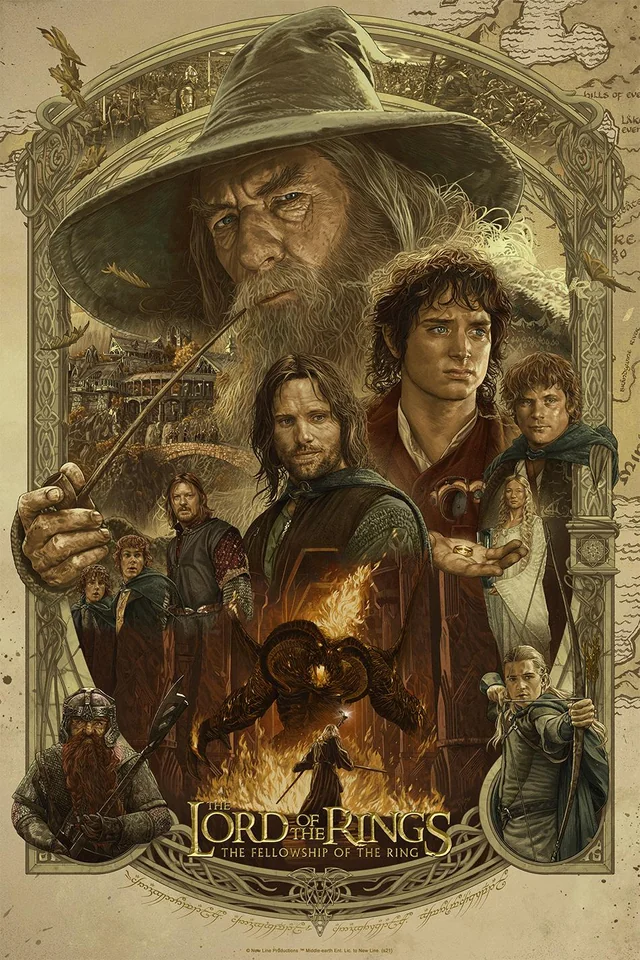
The Lord of the Rings Trilogy (2001–03) – Age: 12+
Not casual watches — a pilgrimage through loyalty, sacrifice, and how ordinary citizens answer extraordinary calls. Best reserved for older children or watched in parts, but reward patience. Parents who remember watching late at night now guide older Gen Alpha kids through epic storytelling.
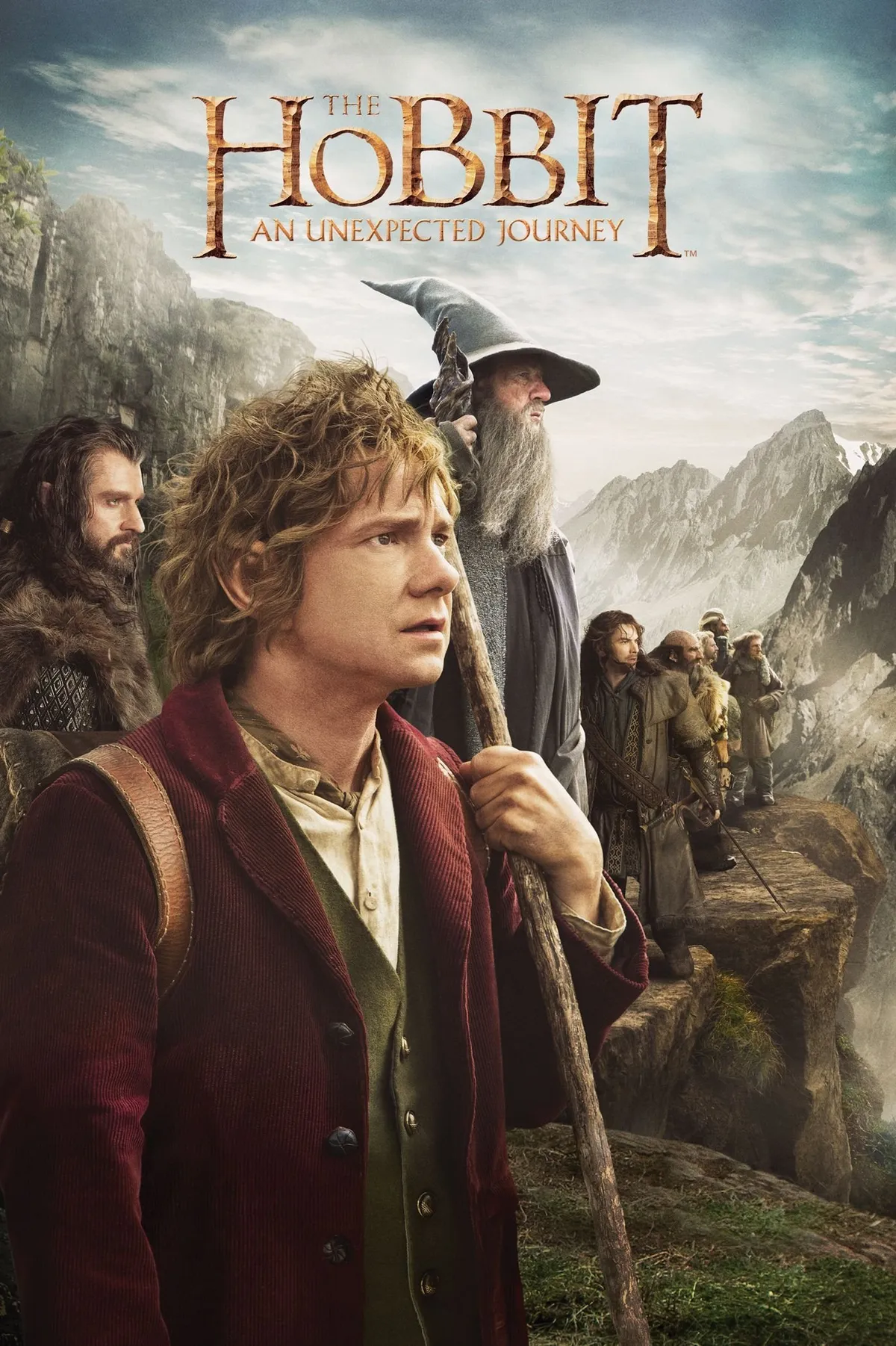
The Hobbit Trilogy (2012–2014) – Age: 10+
Peter Jackson’s prelude to The Lord of the Rings brings Tolkien’s world to preteens in a gentler, more approachable way. It is a cinematic map of courage, friendship, and cleverness without plunging too deeply into darkness. Watching Bilbo’s transformation from cautious hobbit to bold adventurer can inspire children to embrace challenges, and for parents, it’s a nostalgia-rich opportunity to compare how fantasy storytelling has matured over decades. This trilogy works beautifully for holiday afternoons, with each installment offering a mini-epic perfect for family discussion about bravery and loyalty.
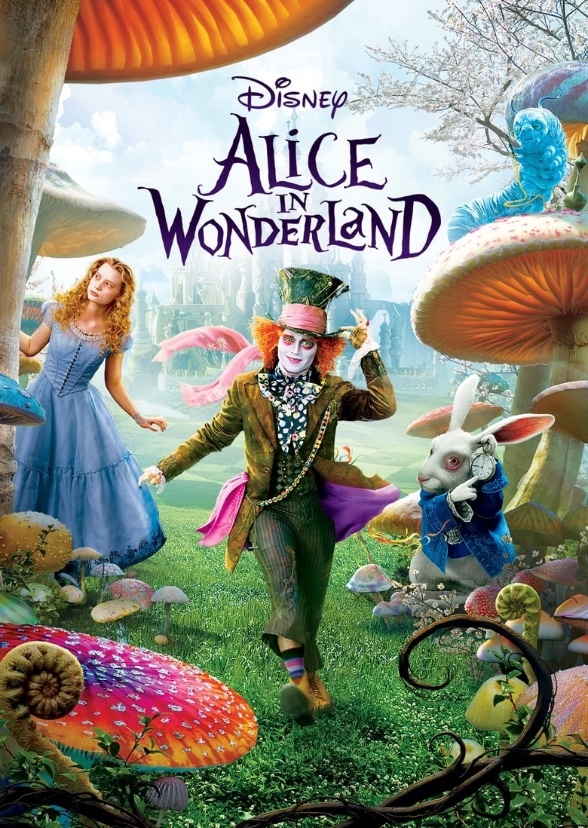
Alice in Wonderland (1951 & 2010) – Age: 7+
The 1951 Disney classic is a whimsical dreamscape where absurdity and imagination take centre stage — ideal for young children just discovering storytelling’s magic. Burton’s 2010 adaptation is darker and more visually striking, offering older children a richer exploration of metaphor, identity, and courage. The earlier version plays like a dreamscape of odd logic — perfect for younger children’s imagination. Burton’s is a grown-up fairy tale: visually striking and thematically richer, better for older kids who can appreciate metaphor and melancholy. Both versions encourage curiosity and wonder, making them timeless companions for holiday afternoons filled with family conversation, creative play, and fantastical daydreams.
These films are not simply entertainment; in the pause after exams, they become a civic act — a way for parents to hand down values, humour, and courage. They anchor children in stories that ask them to feel, to think, and to wonder without the rush of infinite scroll.
Because long after this holiday ends, a child may forget a YouTube short — but they will remember the night their parents introduced them to Simba, or Matilda, or Harry Potter, and said:
“This movie mattered to me.”