
Every minute, nearly 1.9 million neurons die- a staggering reminder that for stroke patients, time is not just a measure of urgency, but of life itself. Health experts emphasise that in the battle against stroke, every second counts – even a few minutes of delay can mean the difference between recovery and lifelong disability, or even death.
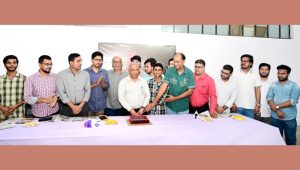
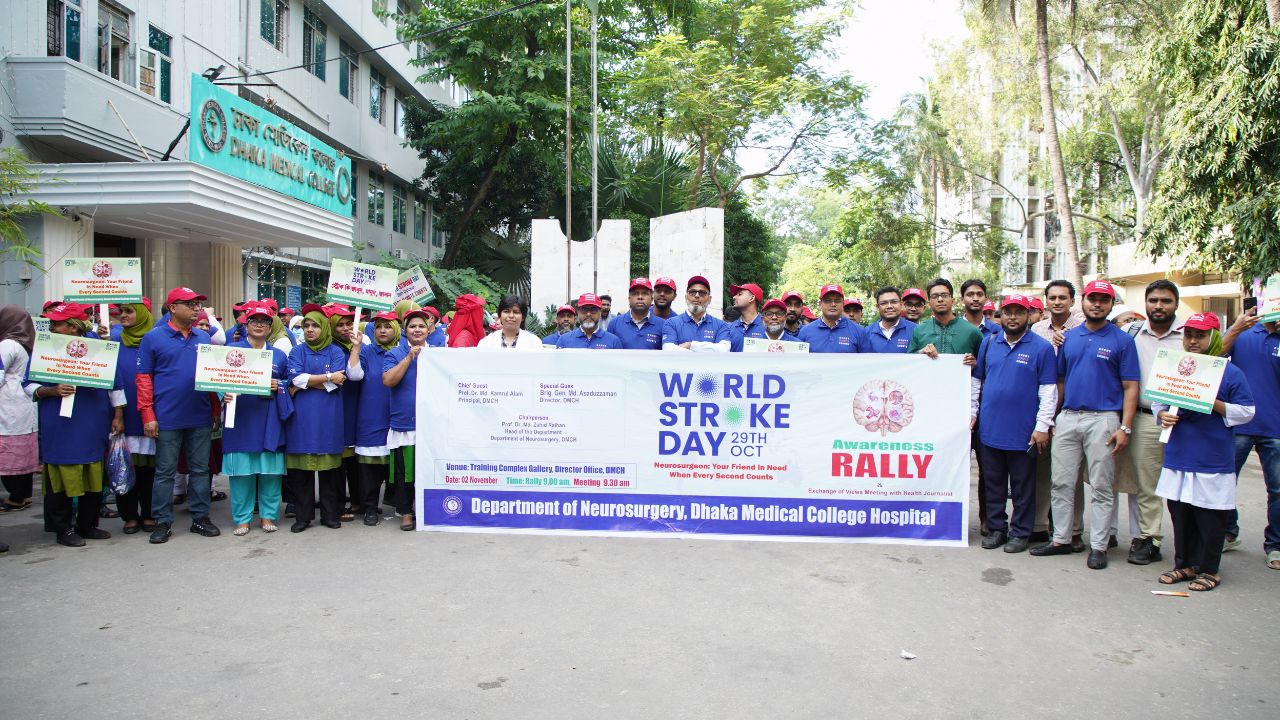
Marking World Stroke Day, Dhaka Medical College (DMC) on Sunday hosted a discussion titled ‘Every Second Counts.’ The event began with a rally, followed by a scientific session at the DMC Training Complex Gallery.
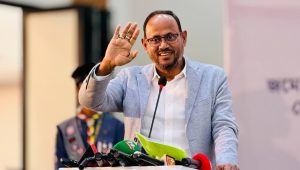
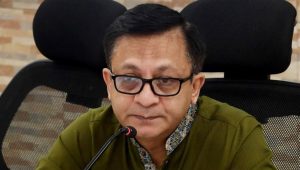
The program was graced by Professor Dr Md Shafiqul Islam, head of DMC’s Neurosurgery Department, as chief guest, while Brigadier General Dr Md Asaduzzaman, Director of DMC Hospital, attended as special guest. The session was moderated by Dr Sujon Sharif, from the Department of Neurosurgery.
Delivering the keynote, Dr Shahedur Rahman Shikdar, Assistant Professor of Endovascular and Stroke Surgery, shared alarming statistics: About 89 percent of stroke cases occur in developing countries. Every minute, 1.9 million neurons die in the brain. That’s why every second is precious. If treatment starts within four and a half hours, a patient can fully recover. Within 24 hours, life can still be saved.

He added that stroke is no longer just an illness of the elderly – it is increasingly affecting younger populations. The good news is that Bangladesh now has skilled doctors and modern treatment facilities. However, without dedicated stroke units, effective management remains impossible. Establishing new units across the country is now a national need, he said.
In his remarks, Brig Gen Dr Md Asaduzzaman stressed the urgency of awareness. Many patients fail to recognise stroke symptoms, losing crucial time before reaching hospitals. In stroke, it’s not money or medicine – time is life.



He noted that even after five decades of independence, advanced stroke treatment remains largely Dhaka-centric, leaving district-level patients at a disadvantage.
Presiding over the discussion, Professor Dr Md Shafiqul Islam highlighted that one in four people suffer a stroke in their lifetime – though 90 percent of cases are preventable.
“By changing our diet, lifestyle, and awareness level, we can control this disease. Bangladesh must expand stroke centers nationwide and develop a service network based on population density, he urged.
It’s time to build a social movement for stroke prevention, he added.
Prof Dr Fazle Elahi Milad warned that discontinuing medication for non-communicable diseases increases stroke risk. He emphasised the need for regular medication, physical activity, and avoidance of unhealthy foods.
Prof Dr Moniruzzaman, Chairman of Physical Medicine, said not all patients are fit for surgery, especially the elderly. For them, rehabilitation and physiotherapy are the most effective treatment options, he said.
Speakers also called for launching a national stroke hotline and specialised ambulance services. They urged government, private sector, and media collaboration to raise public awareness on stroke prevention and timely response.