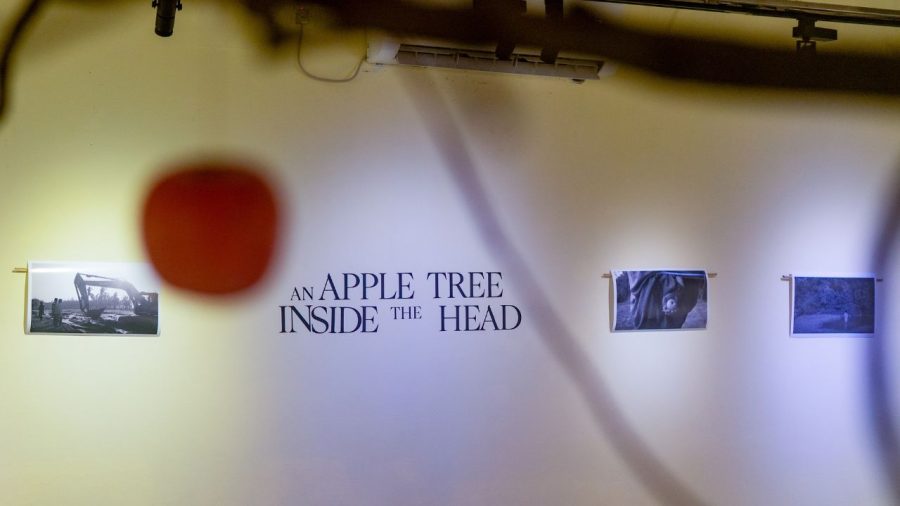

There is something intriguing about entering an exhibition devoted to a film you have not yet seen.
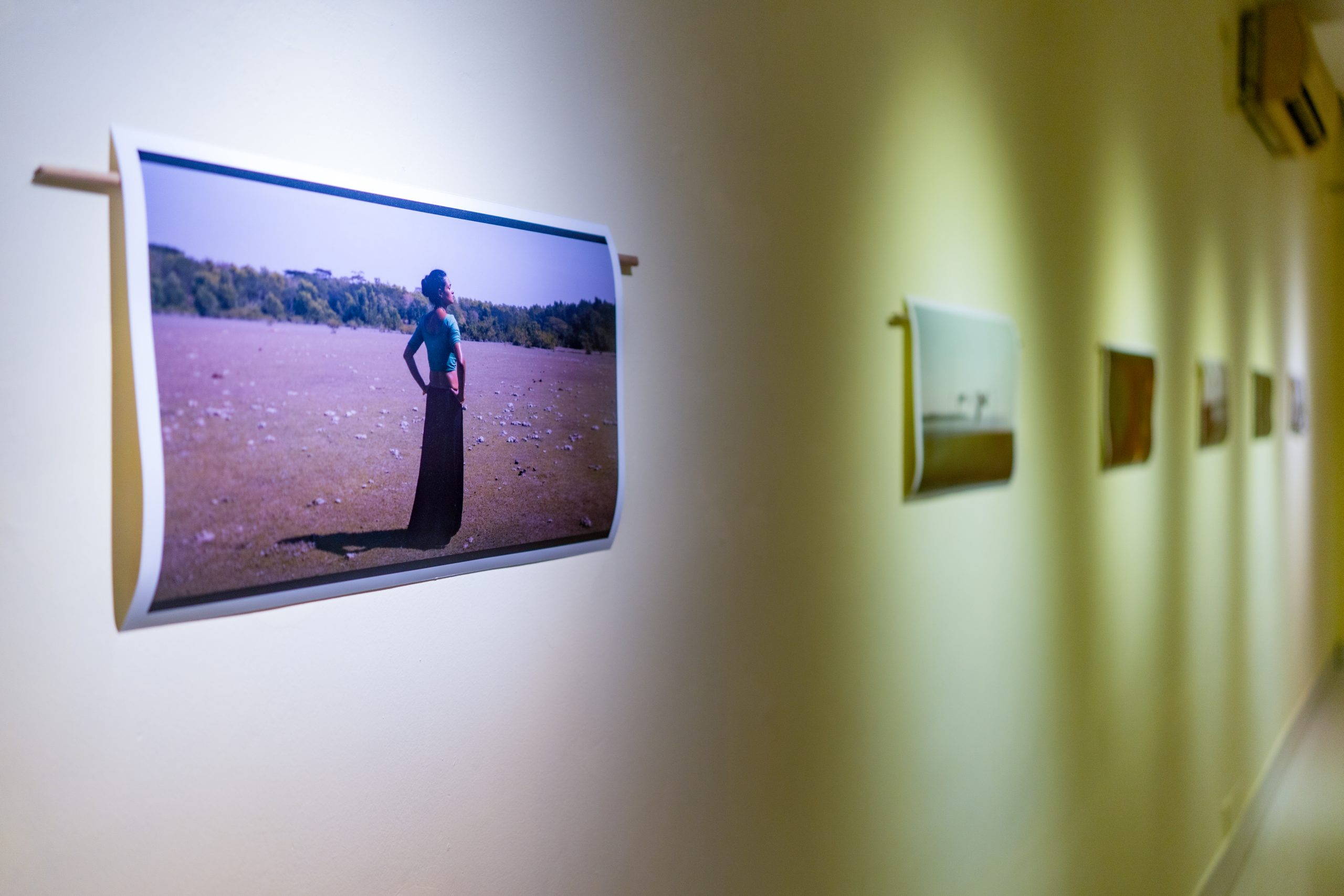
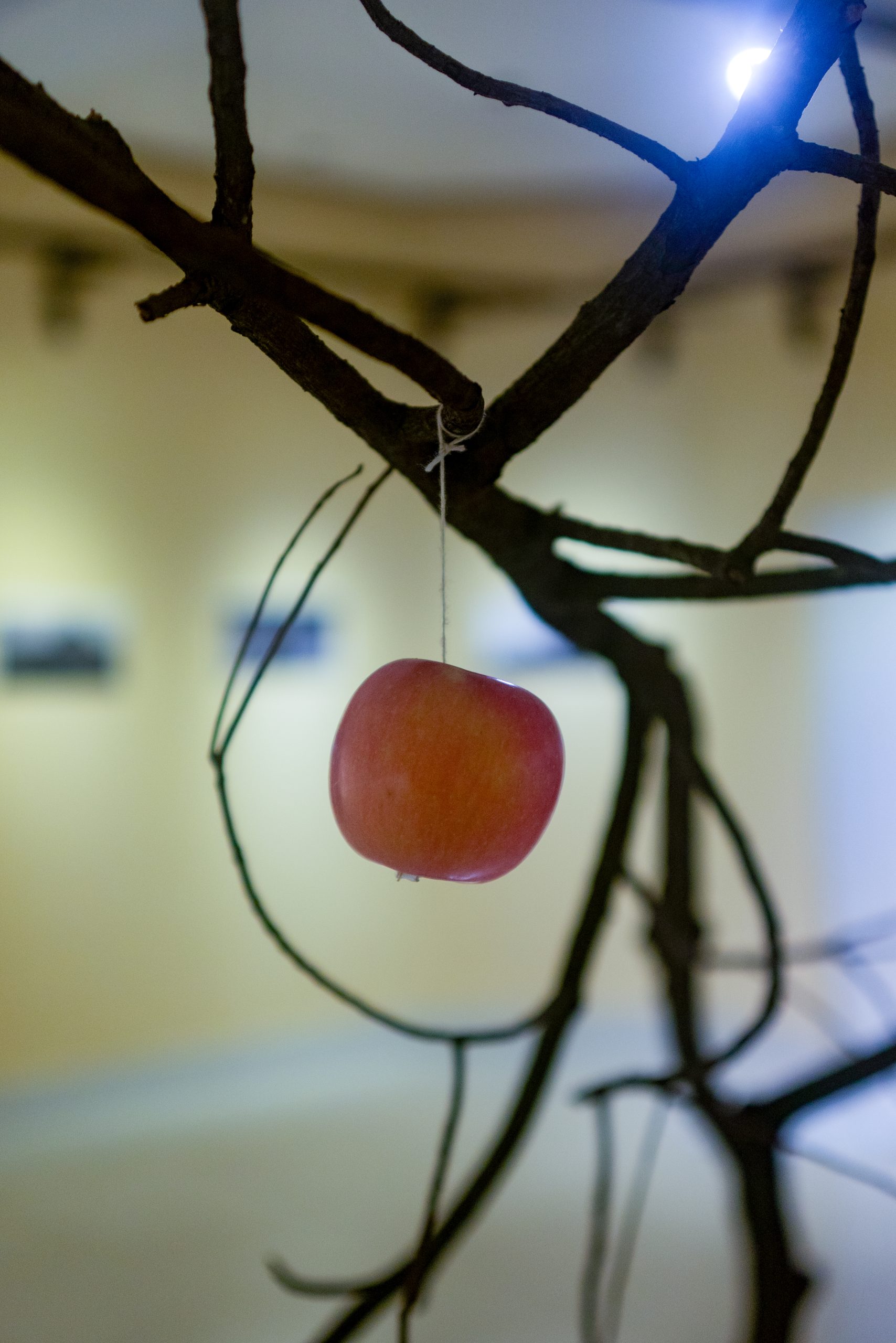
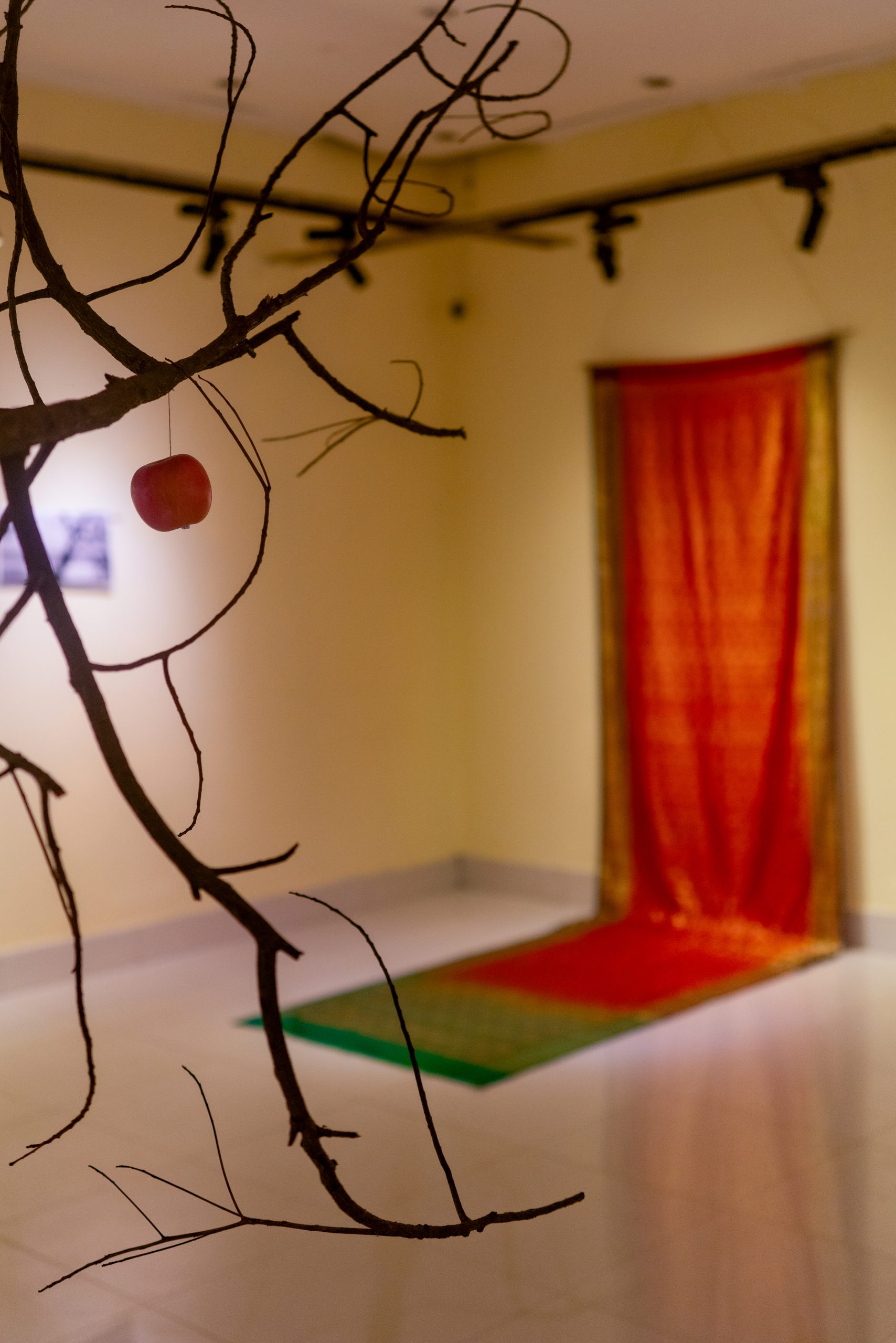
A man is holding an apple in his hand, there is a bride who looks anxious and a lonely man turns up in various parts of strange landscapes.
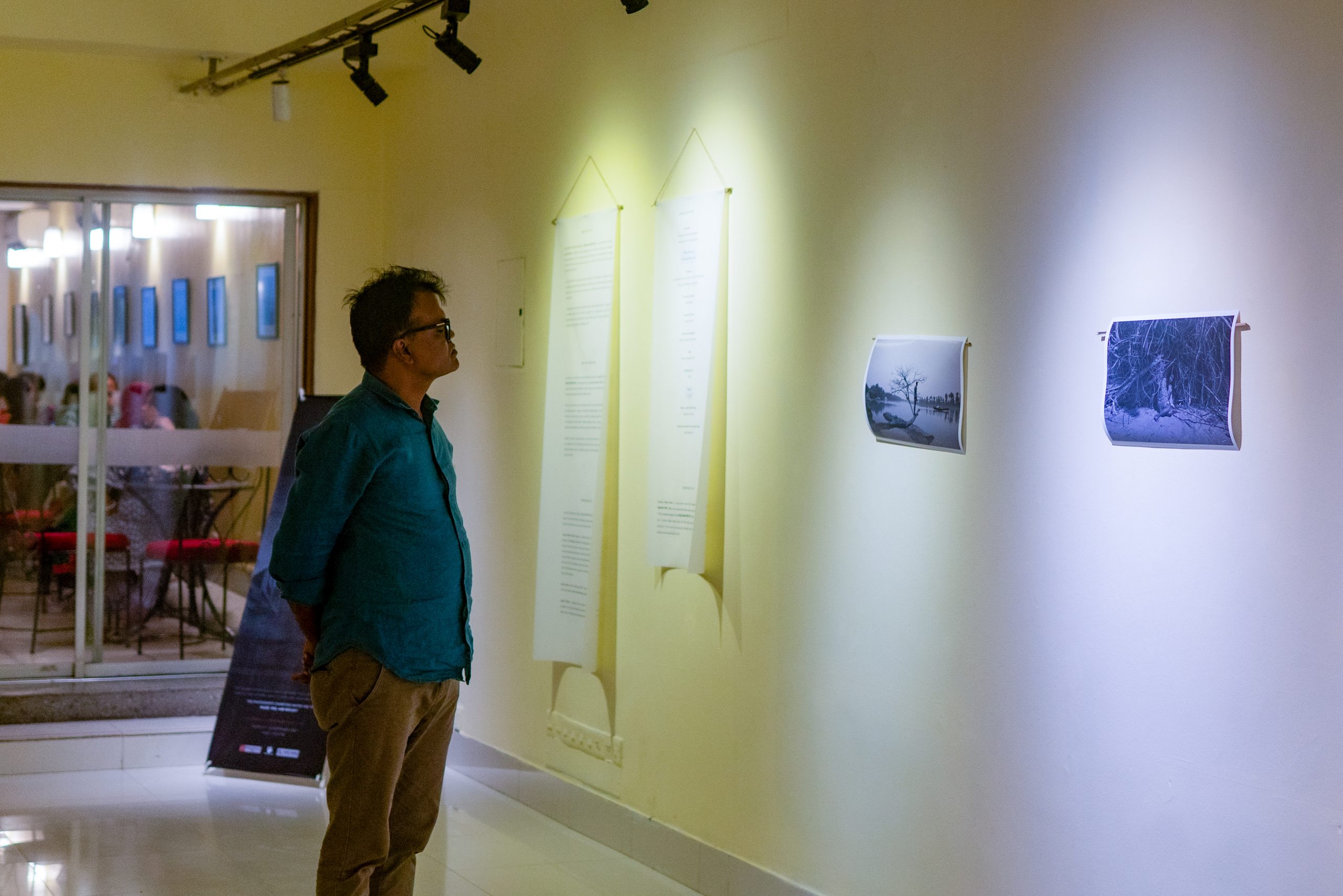
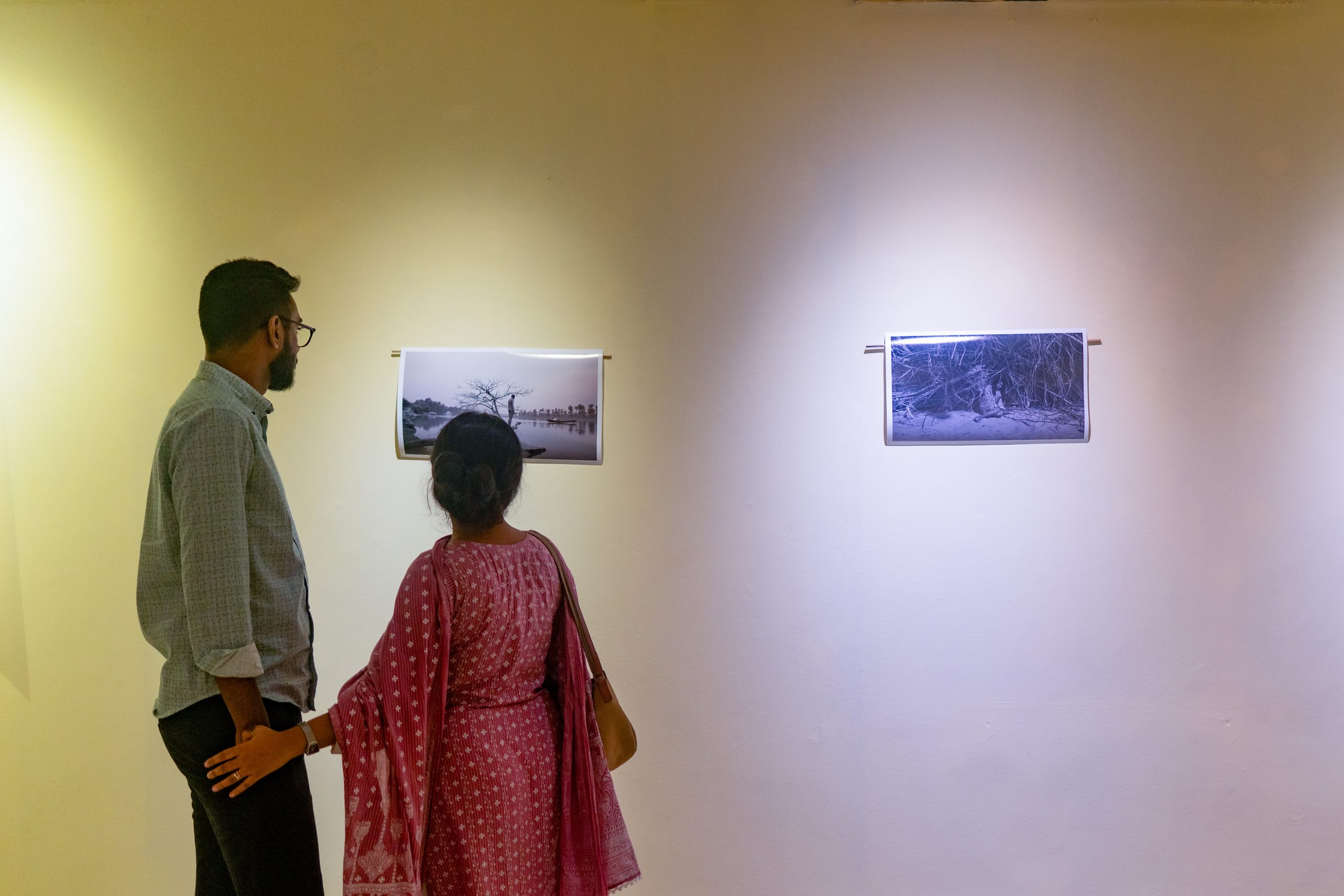
As you walk through La Galerie at the Alliance Française de Dhaka, the photographs start to seem less like stills from a film and more like fragments of a story ready to be discovered.
You look into one picture after another, and slowly the film starts to take shape, but it never fully does.
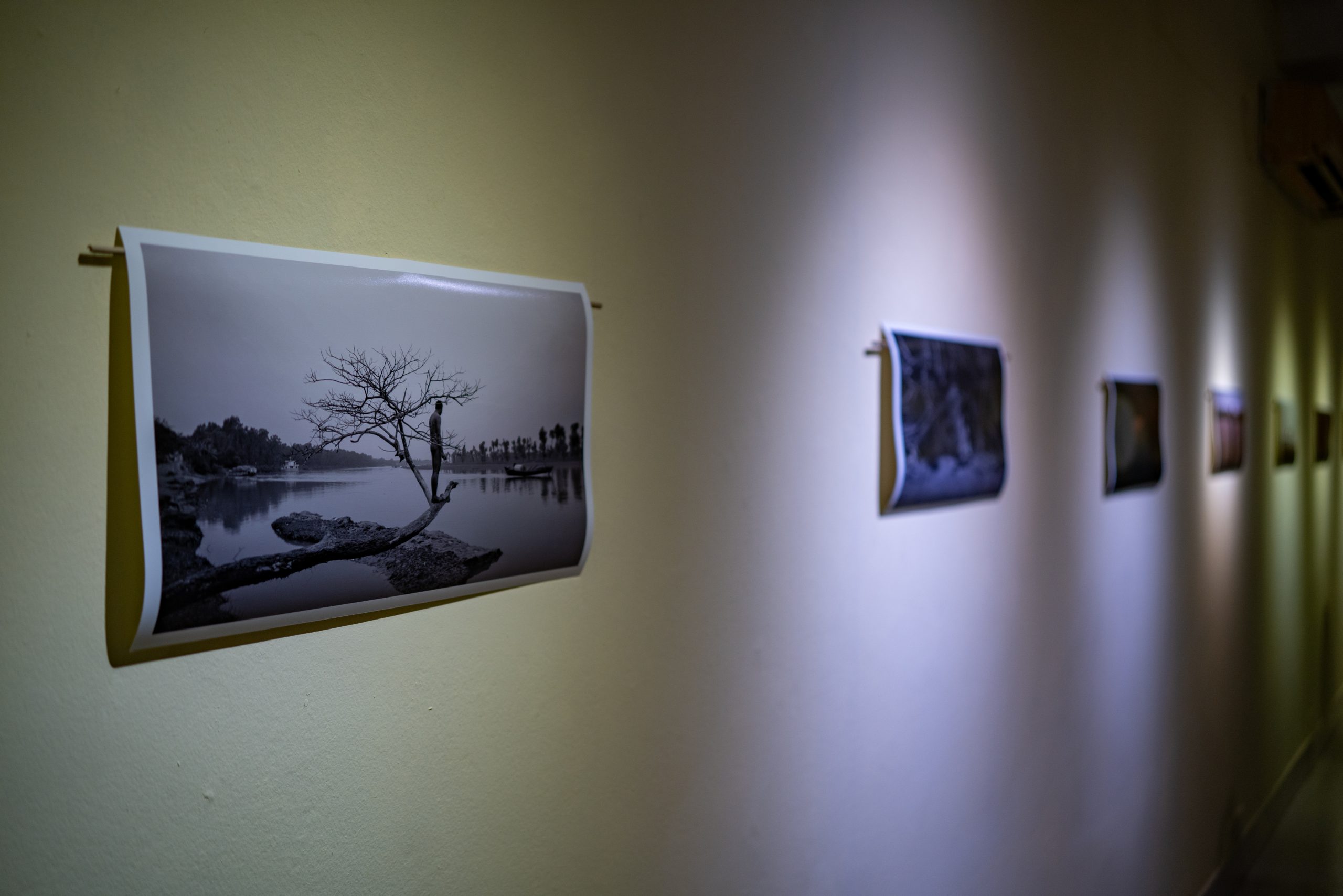
Who are these individuals? What has befallen them? Why is the man holding the apple? What is the bride waiting for? And why does a sense of loneliness appear to accompany the characters wherever they go?
Almost immediately another question arises: can a film’s teaser be conveyed via a photography exhibition?
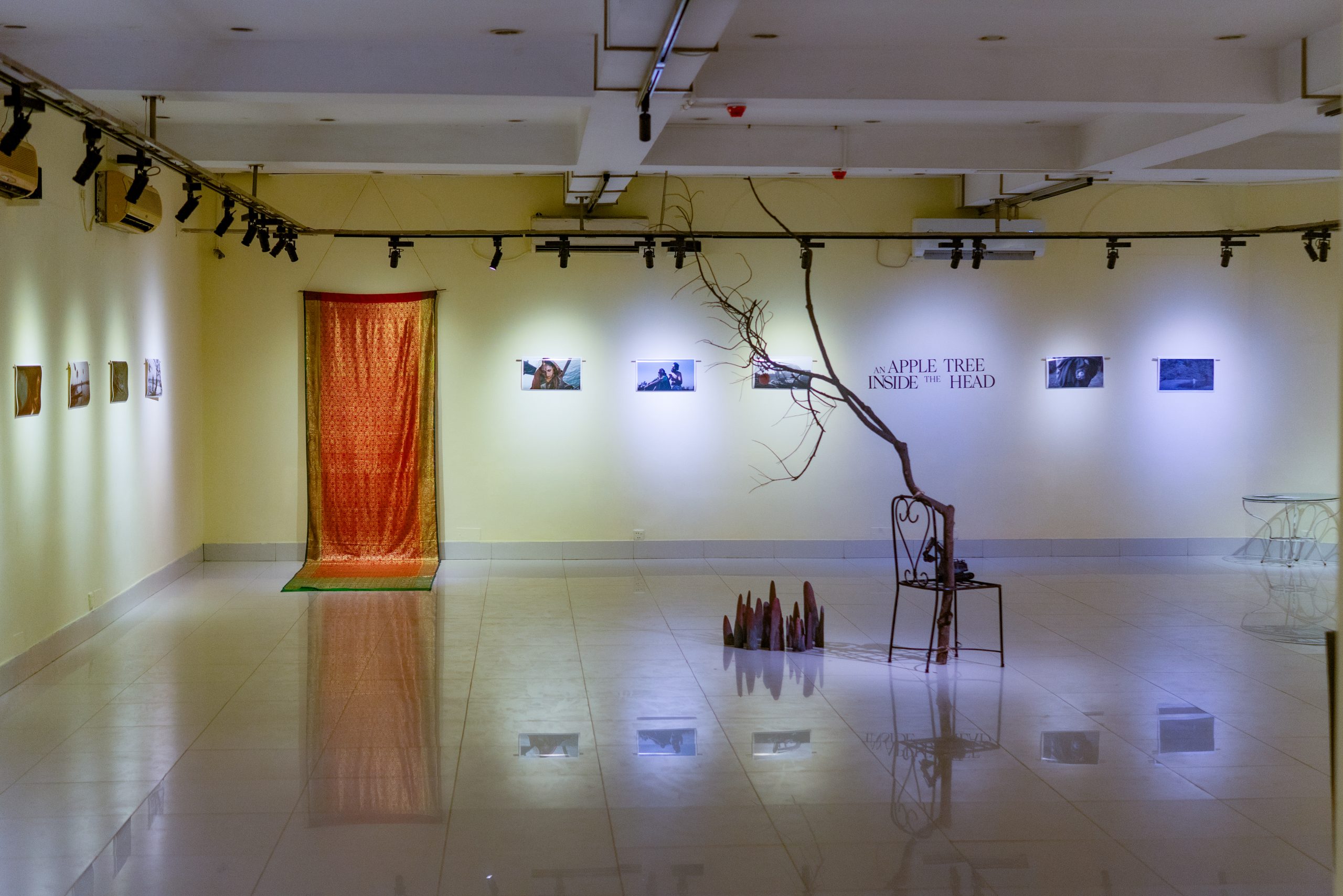
The idea seems rather odd, but in La Galerie it suddenly sounds rather natural.
Whereas a trailer is shown on the screen, photographs are displayed on the walls. Rather than having moving pictures, you have still moments. Rather than a full story, you are left with questions.
The photographs don’t offer easy answers; in fact, it might be exactly that which makes them so interesting. Someone who took the time to look at the pictures would obviously want to see the film in order to discover the story behind them.
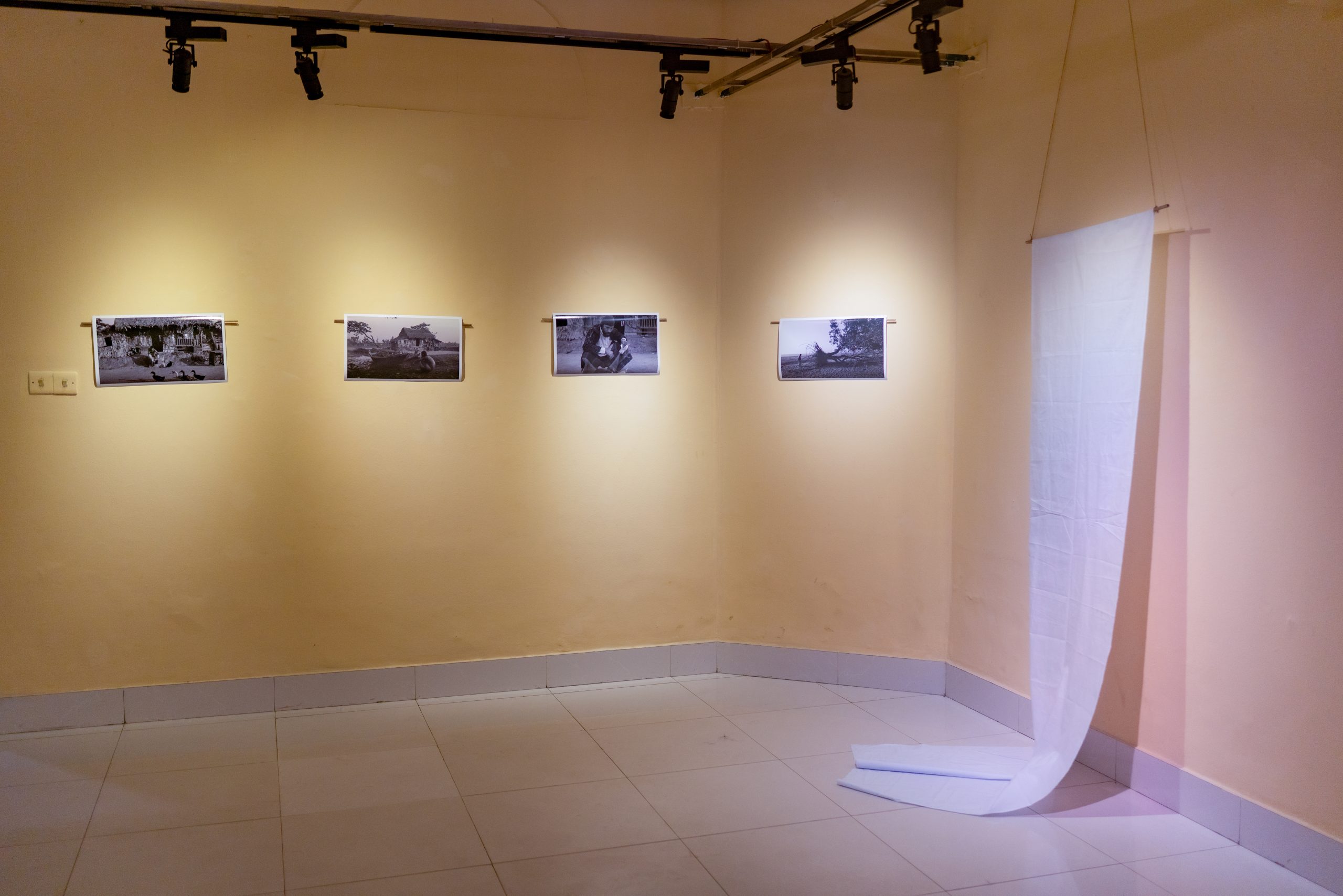
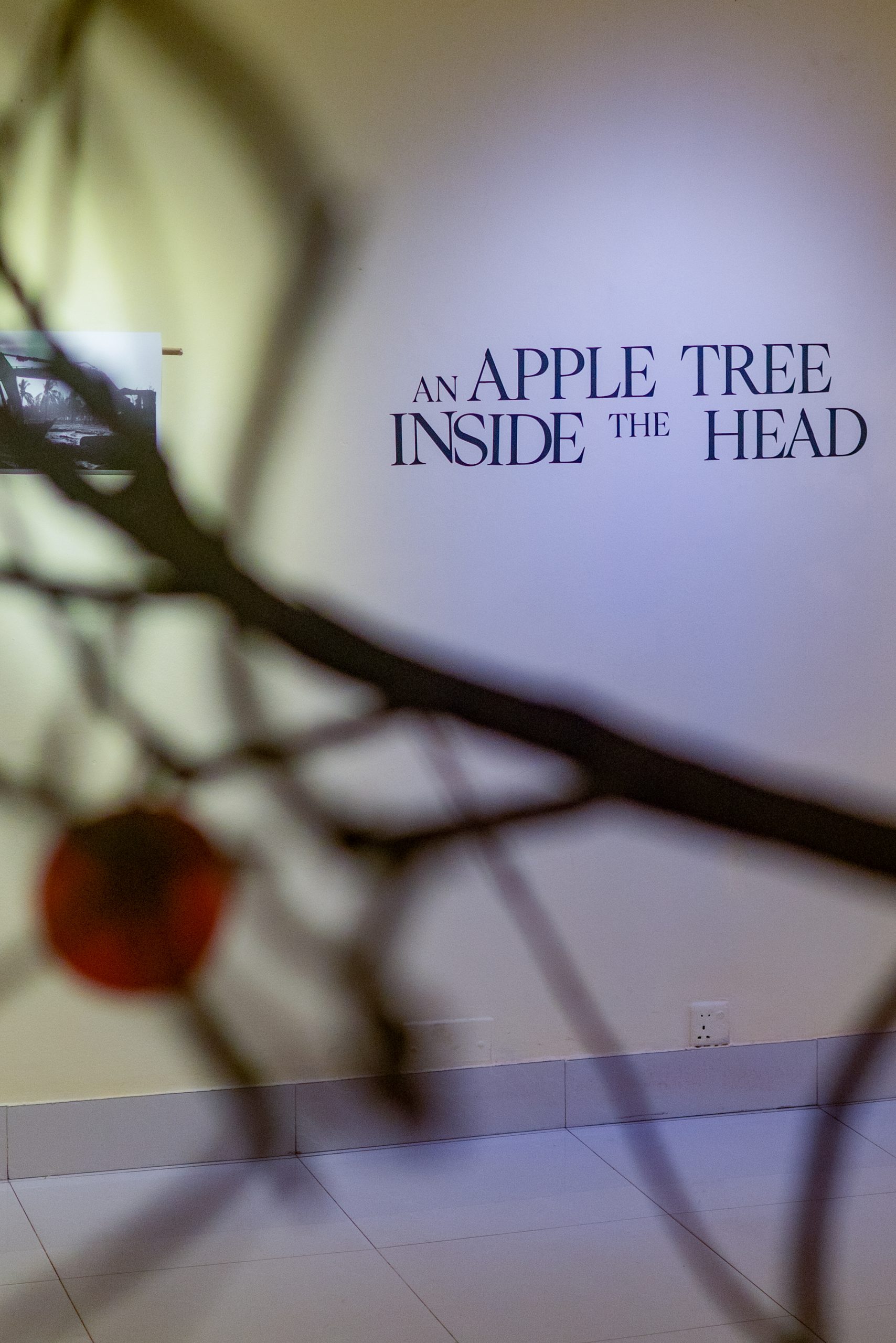
An Apple Tree Inside the Head is directed by Fazly Rabbi Mridha and features Mostafa Monwar, Jayita Mahalanobish, Abul Kalam Azad Setu and Sohag Mridha. The exhibition gathers photographs of the film’s characters, landscapes and visual environment, thus providing a visual overview of a film which has not yet reached the audiences.

The exhibition began on 15 September, and among those present were François Chambraud, director of the Alliance Française de Dhaka; Josim Ahmed, the producer; actor Jayita Mahalanobish; and Manosh Chowdhury, a film enthusiast.
For Josim Ahmed, the exhibition represents another creative journey for him; he stated that the idea had arisen from a wish to show the film’s creative process in the form of an exhibition, and at the same time thanked the co-producers and the Alliance Française de Dhaka for their support.
Josim stated that this was most likely the first time such a thing had happened in Bangladesh, describing it as an alternative way to show the film to audiences, while Jayita Mahalanobish thinks it might make the audience more curious about the film.
She said that if she were a member of the audience she would still be excited about the film because of the exhibition, and added that she thinks people outside Bangladesh would also enjoy it.
François Chambraud wished the director and the producers well and called the exhibition a representation of the film, while also expressing his enthusiasm regarding the project. He likewise stressed that Alliance Française would continue to support the arts.
Yet the photographs require more than a brief look; they make you think about what took place before each captured moment and what might follow.




The significance of that curiosity increases as the story behind the images begins to emerge.
An Apple Tree Inside the Head was written and directed by Fazly Rabbi Mridha; it centers on Mintu Mridha, whose wife, Jasmin, and son, Shohag, frequently leave the house as though they were caught in a trance. The story is based on the biblical account of Adam and Eve, drawing on themes from that narrative to explore temptation, mystery, and the line between reality and illusion.
Mintu thinks that some invisible force has entered his family and, in order to get assistance, goes to a saint, who then gives him a blessed apple said to have healing powers.
From that point on, it becomes difficult to tell reality from illusion. The apple then becomes a possible remedy, a temptation, and a mysterious sign.
Once you realize this, the way in which photographs appear changes: a gesture can act as a clue, a landscape may come across as part of the mystery, and a face can imply a story that the exhibition intentionally fails to tell in full.
For Josim Ahmed, the audience should ultimately decide what the images mean.
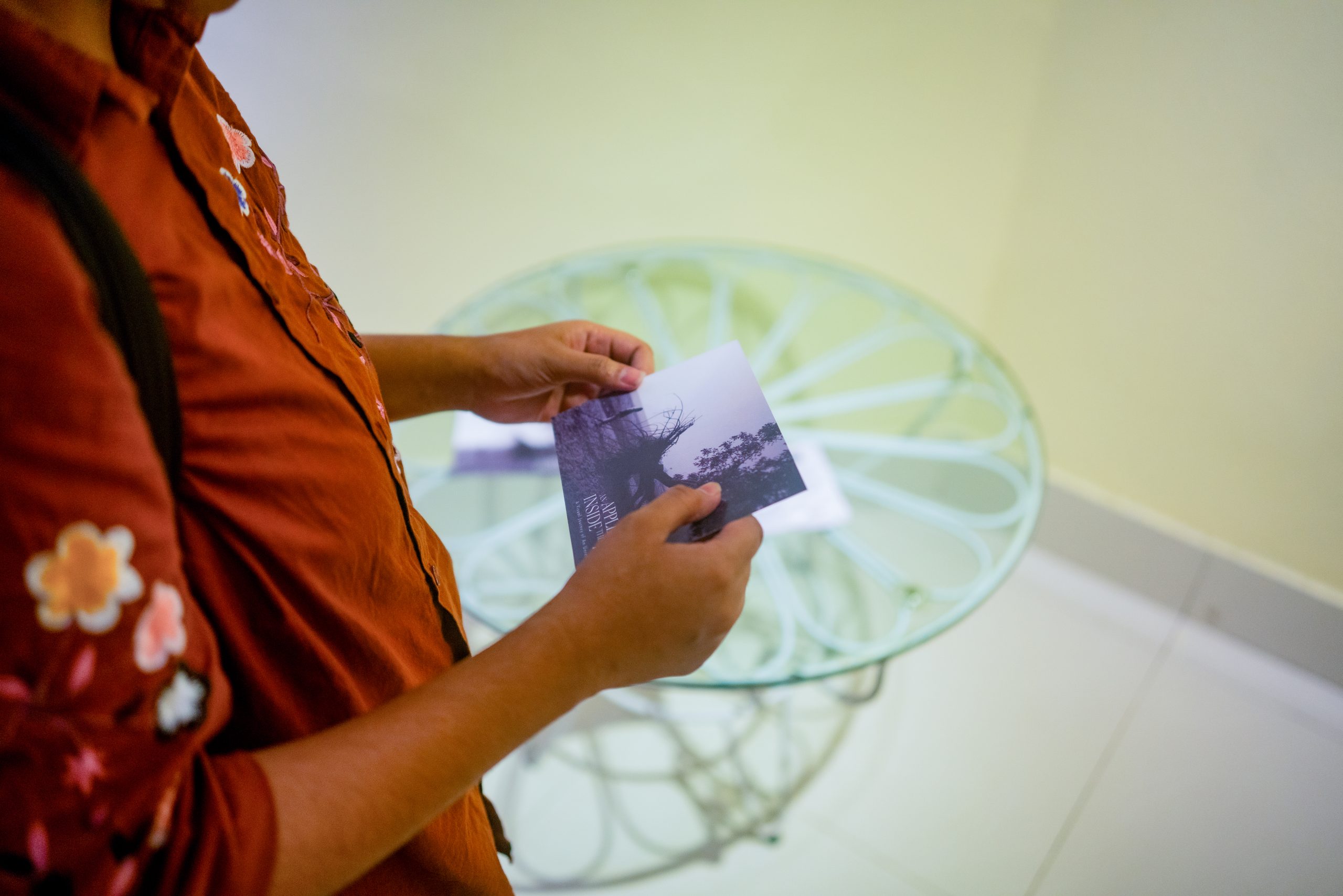
He said that they had tried to put the audience in the driving seat and have them decide whether they liked the film based on the visuals.
It may be for that reason that the exhibition serves as an introduction to the film since it doesn’t tell the viewers what to think but instead puts them in front of a number of images and lets their curiosity take charge.
The exhibition also initiates a broader discussion of the creation and presentation of cinema in Bangladesh.
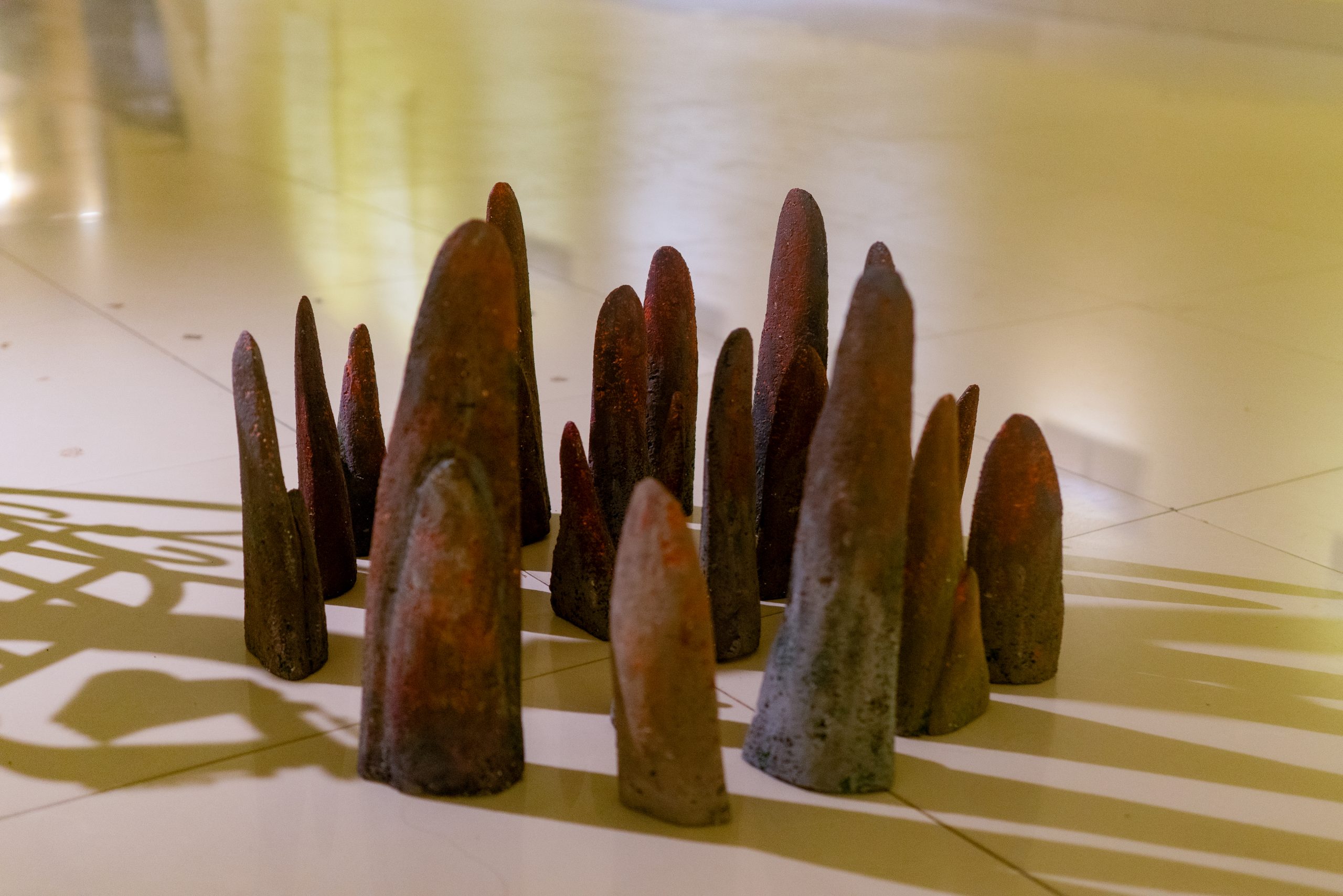
Manosh Chowdhury, a professor of anthropology at Jahangirnagar University and a writer and film enthusiast, discussed the film as well as the challenges involved in filmmaking and promoting art in Bangladesh.
“The infrastructure of Bangladeshi movie culture has always bothered me,” he said. “There are always constraints on promoting art and films in Bangladesh, but I hope this will bring change.”
He praised the effort behind the film, noting that “they went to deserted places in Bangladesh to make this movie.”
Chowdhury called it “a brilliant movie for this time in Bangladesh” and praised the performances. “Several actors tactfully managed the entire production, delivering a very heavy acting of art” he added.
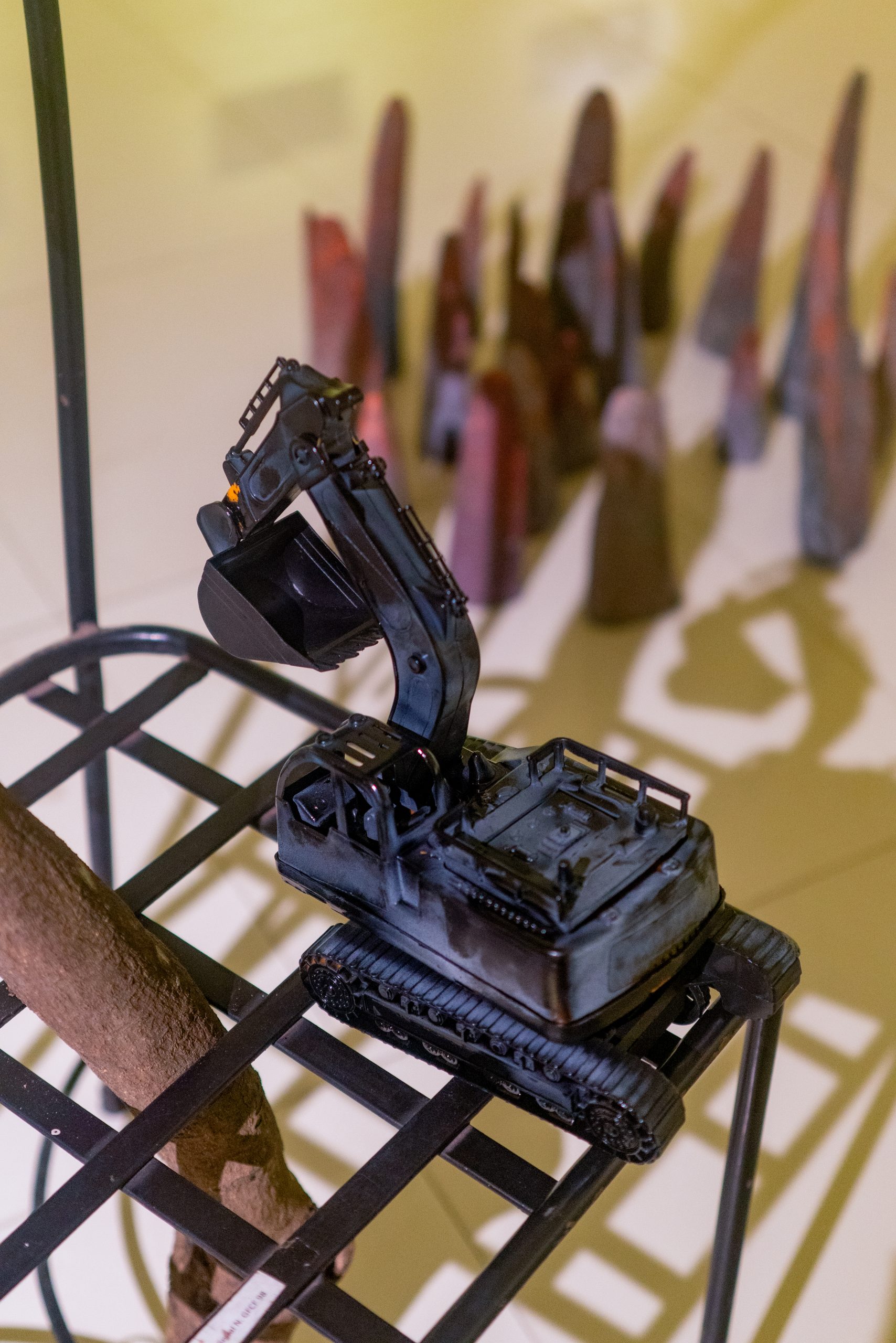
For Chowdhury, the film also demands a different way of looking.
“People need surreal points of view to watch this film, not realistic eyes,” he said.
The idea remains as you go from one photograph to the next. Rather than seeking clear answers, viewers are encouraged to embrace uncertainty and let the images exist in the space between reality and imagination.
Chowdhury also raised concerns about censorship, noting that the film contains elements that may not meet the current certification standards.
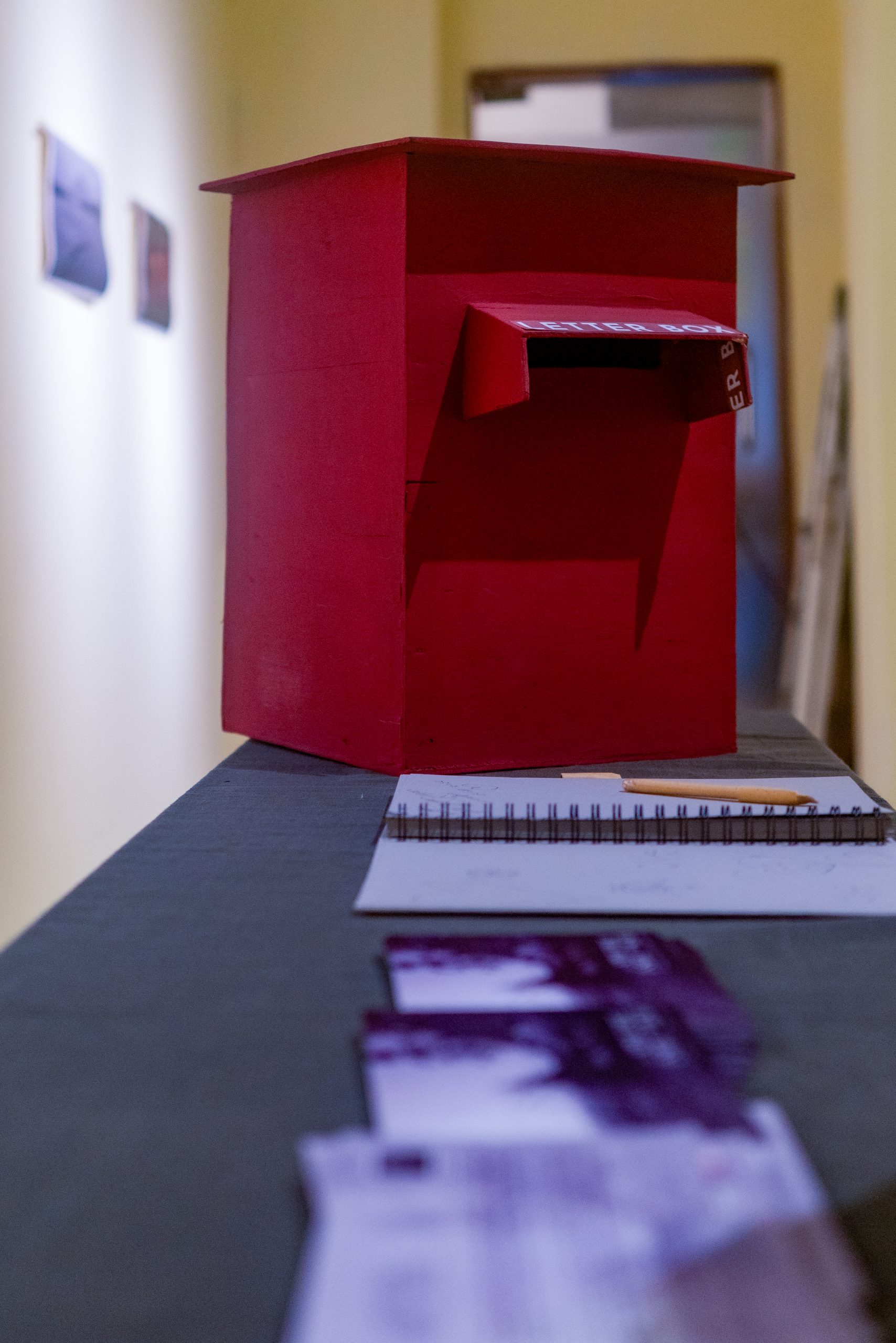
“As a regular citizen, I don’t want the censor board to cut even a single minute,” he said.
For Chowdhury, no work of art should be constrained by the censor board. He believes the exhibition itself can serve as a message about artistic freedom.
At the same time, producer Arifur Rahman regards the exhibition as another means of keeping the film alive, stating that it gives the film a new life via photography and enables audiences to enjoy it beyond the usual distribution systems.
As you look at the photographs, the exhibition starts to turn into more than just a promotional affair; it develops into a kind of dialogue between different forms of storytelling – cinema expressing itself through photography and photography generating anticipation for cinema.
The film has not yet been shown on screen, its characters have not yet acted, spoken or revealed their secrets to an audience, yet the exhibition has already achieved what a trailer usually does: it has generated curiosity without revealing the story.
Although you don’t watch the film, you do end up with a number of questions and therefore want to see it.
Maybe that is the exhibition’s subtle trick: rather than trying to explain what An Apple Tree Inside the Head is, it offers you fragments, leaves room for interpretation, and lets your curiosity finish the journey.
That might be the most unusual teaser of all for a film which is still awaiting completion.
The exhibition will stay open at La Galerie, Alliance Française de Dhaka. You can visit until 19 September, from 3pm to 9pm.