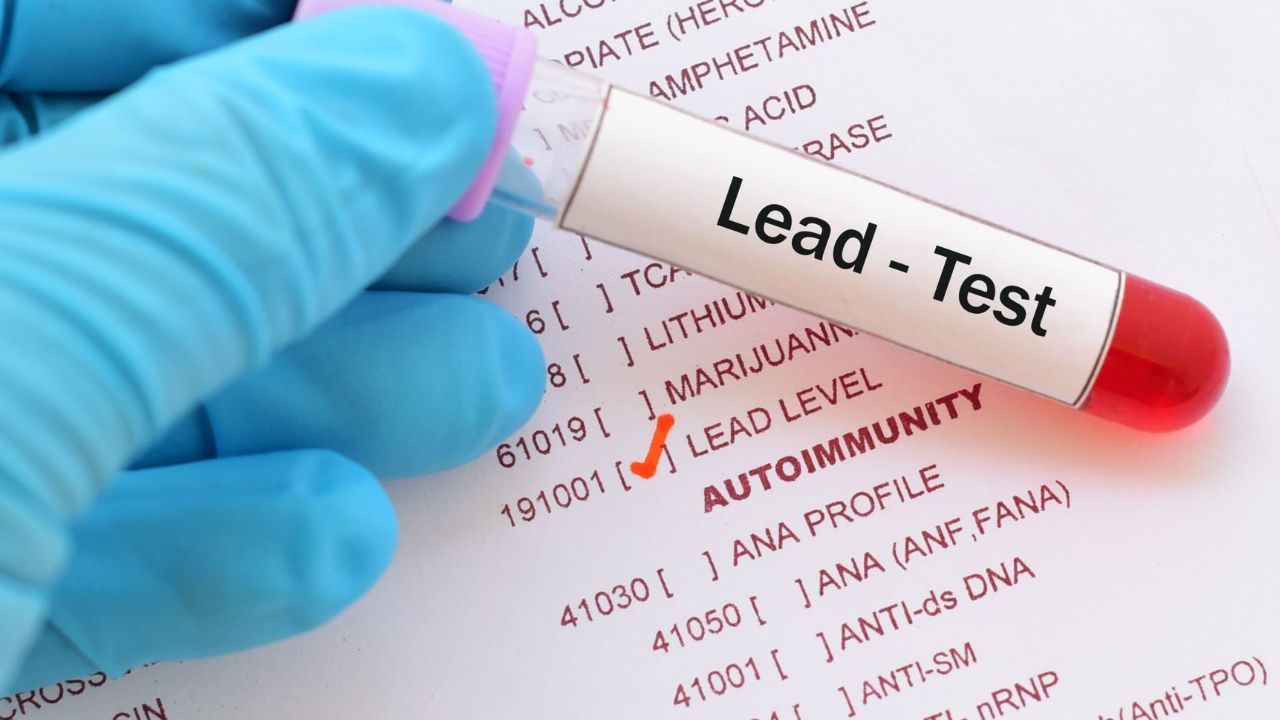

Thirty-eight percent of children in Bangladesh have “worrying” levels of lead in their blood, according to a new study conducted by UNICEF and Bangladesh Bureau of Statistics (BBS).
The study revealed that almost four in every ten children, aged 12 to 59 months, have blood lead levels above the safe limit.
The findings come from the Multiple Indicator Cluster Survey 2025 (MICS 2025), released on Sunday by the BBS in collaboration with UNICEF and other partners.

Additionally, nearly 8 percent of pregnant women were found to have elevated lead levels. Dhaka residents were the most severely affected, with 65 percent registering levels above the safe limit.



UNICEF warned that lead exposure poses a serious threat to children’s brain development and affects families across all socio-economic classes. The survey noted that more than half of the affected children come from higher-income families, while 30 percent are from lower-income households.
Based on a sample of about 63,000 households, the survey examines progress and challenges in the health, nutrition, protection, and development of children. It covers 172 criteria and 27 Sustainable Development Goal (SDG) indicators, aligning with both national priorities and global standards.
The results underscore the urgent need for measures to reduce lead exposure and protect children’s health, experts said, calling for strengthened regulation, awareness campaigns, and targeted interventions to prevent long-term developmental impacts.
BBS Director General Mohammed Mizanur Rahman and UNICEF Representative in Bangladesh Rana Flowers attended the event.