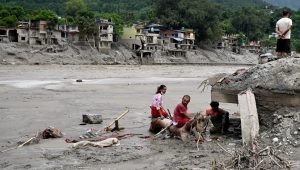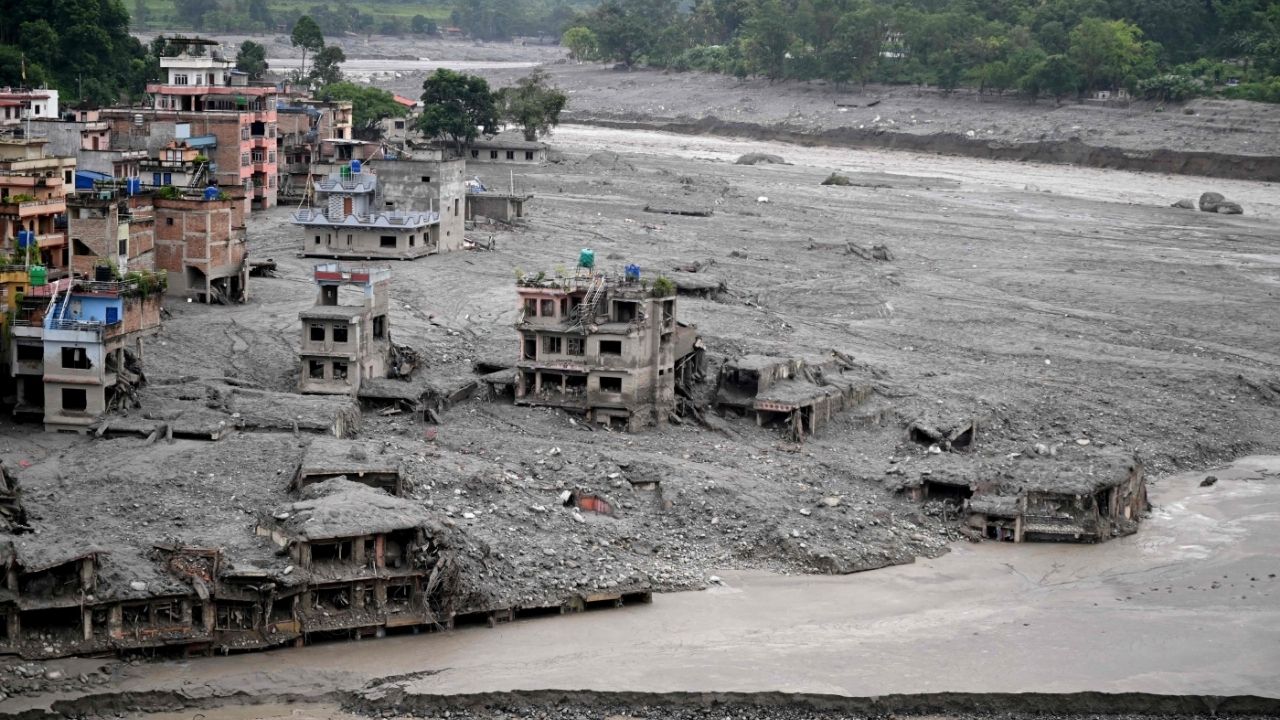
More than 2,500 buildings were destroyed in Nepal’s Trishuli valley after tsunami‑like glacial floods swept through the area on 26 August.
The destruction accounts for about two‑thirds of all buildings across three surveyed zones, according to an AFP analysis of data from Europe’s Copernicus Emergency Management Service, AFP reports.
More than seven in 10 structures were affected, underscoring the immense force of the floodwaters.
The affected areas include Timure, Syabrubesi and Bidur, towns north of Kathmandu where nearly 6,000 people lived before the disaster. Satellite images around Bharatpur, Nepal’s third largest city, were still being analysed Monday morning.
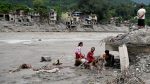

Scientists linked the flash flood to the collapse of a massive Himalayan glacier. The torrent travelled about 20km before sweeping through the Gyirong border post between Nepal and Tibet. Timure suffered some of the worst destruction, losing more than 80 percent of its buildings.
Nearly three‑quarters of structures in Syabrubesi, a gateway to the Langtang trek and a route for Hindu pilgrims, were destroyed. In Bidur, the administrative centre of Nuwakot district and base for rescue operations, more than 1,800 buildings were lost — three out of every five.
Roads and bridges were also damaged, hampering aid delivery and complicating searches for the missing.