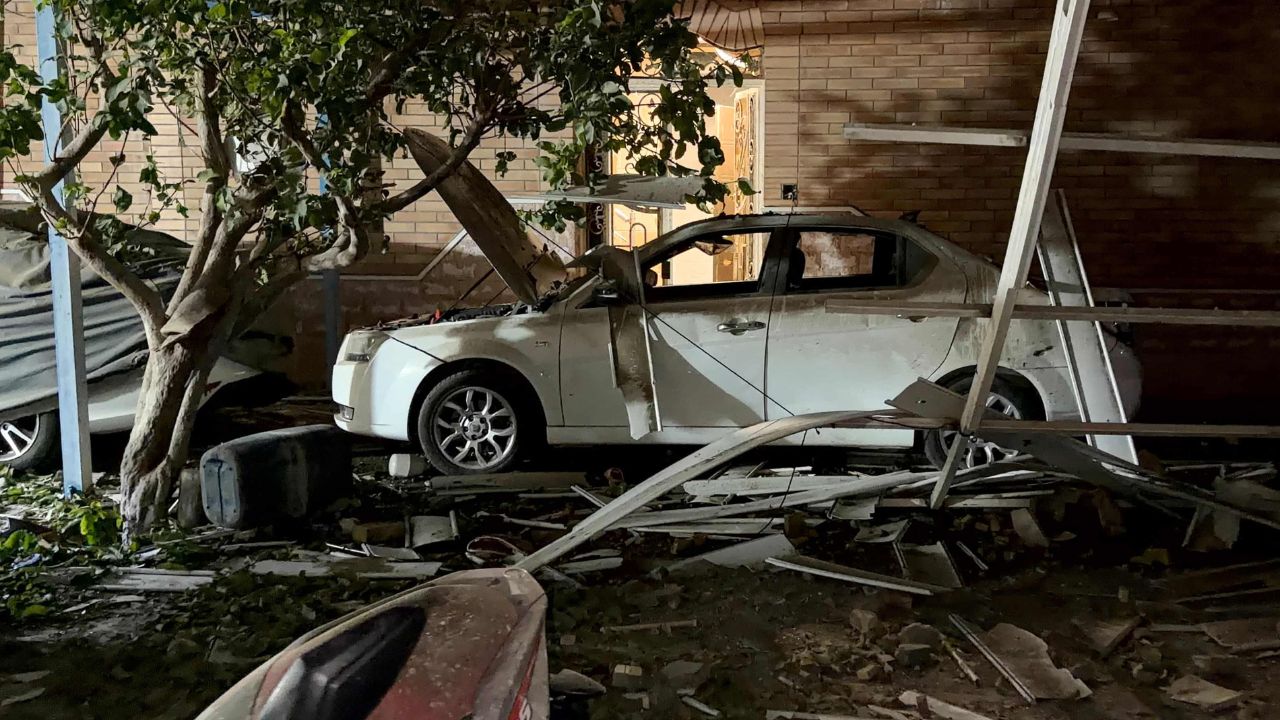



Fears of a broader regional conflict increased on Wednesday after Iran and the United States exchanged their heaviest fire since July, with US forces striking Iran’s southern coast and Tehran responding with attacks on American bases across the region.
Iranian media and the Islamic Revolutionary Guard Corps (IRGC) reported that at least 19 people, including military personnel, were killed in US strikes on Tuesday.
The IRGC also claimed that two oil tankers caught fire after striking mines and warned that shipping companies failing to follow Iran’s procedures for crossing the Strait of Hormuz would face doubled sanctions.
Iran’s Supreme Leader Mojtaba Khamenei said the country’s armed forces had prepared “unforgettable lessons” for the United States in his first public statement since fighting resumed after a month of relative calm.
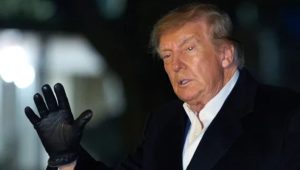
US President Donald Trump, meanwhile, said he was not concerned about whether Iran would return to negotiations to end the six-month conflict, warning that Tehran “will be hit again at a much harder and higher level.”

Washington threatened further strikes, while Iran accused the United States of targeting a wedding gathering, killing four people and injuring dozens.
Iran accuses US of hitting wedding gathering
Iran reported at least 12 deaths from overnight US strikes, including four people who were allegedly killed during a wedding celebration at a home in Sirik. Among the victims was reportedly a four-year-old child.


Earlier reports had placed the death toll at five. Iranian media said up to 68 people were wounded and published images showing injured children receiving medical treatment in hospitals.
US Navy Captain Tim Hawkins, a spokesperson for US Central Command, said Washington was aware of the reports but denied that American forces had deliberately targeted civilians.
“We are aware of reports, which originated from Iranian state media. The US military never targets civilians, unlike the IRGC,” he said.
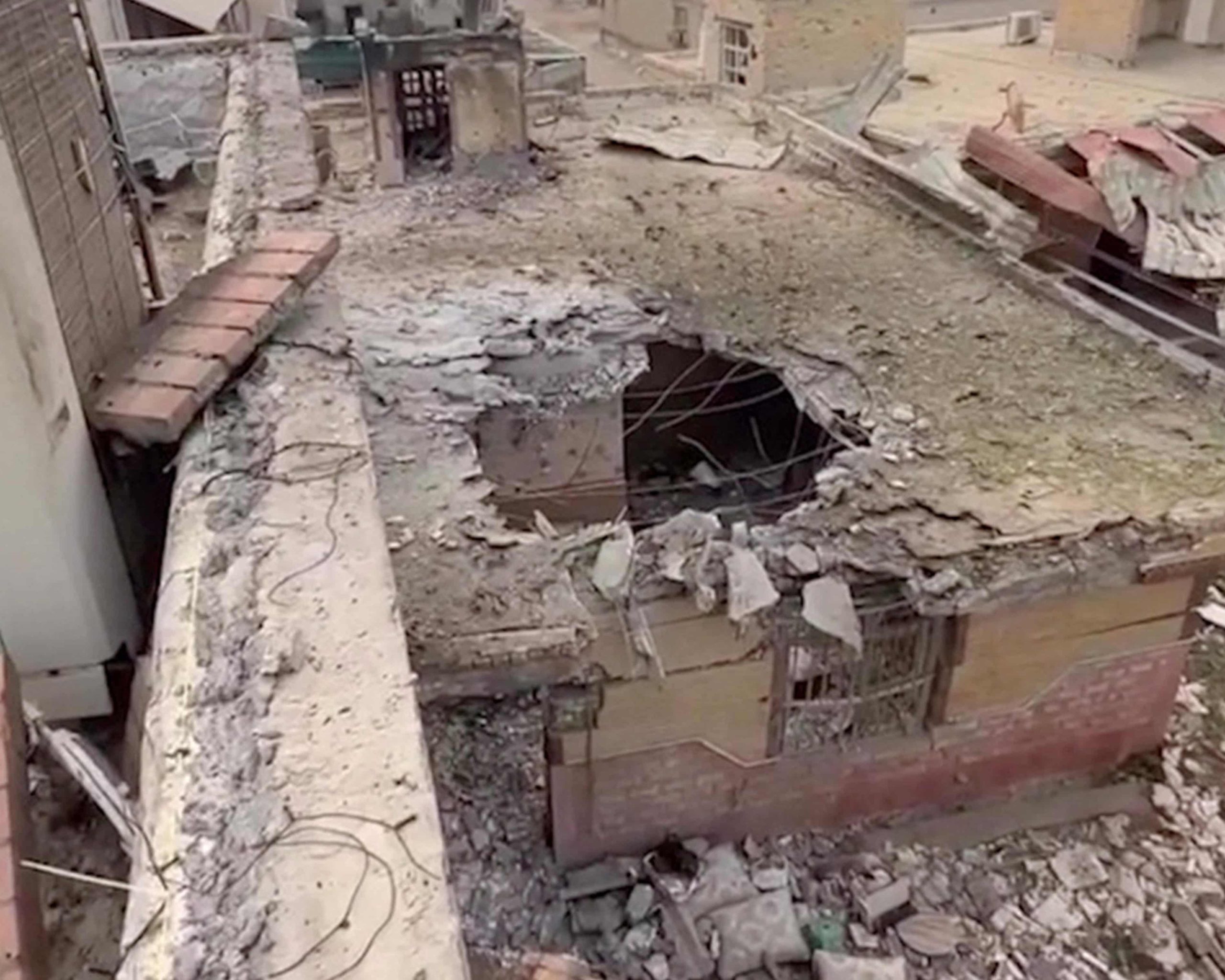
Iranian officials compared the incident with a strike on a girls’ school, which they claimed killed 160 people on the first night of the war. The Pentagon has not yet released the findings of its investigation into that incident, which would rank among the deadliest civilian casualty events involving the US military in decades.
Xi calls for new regional security framework
Meanwhile, Chinese President Xi Jinping urged Middle Eastern countries to resist external interference and consider reshaping the region’s security framework during a visit to Egypt on Wednesday.
Xi’s first trip to the Middle East in four years comes as US allies in the region reconsider their strategic partnerships following months of conflict that have disrupted trade, damaged economies and raised questions about Washington’s long-term influence.
Egypt, a key US defence partner that receives about $1.3 billion annually in military aid from Washington, has also expanded economic and military cooperation with China in recent years.
Welcomed by Egyptian President Abdel Fattah al-Sisi during a military ceremony in Cairo, Xi said regional countries should be “masters of their own destiny” and explore a new regional “security architecture,” according to China’s state news agency Xinhua.
Xi added that China was prepared to cooperate with regional nations to protect shipping routes, which have become increasingly important as the conflict disrupts traffic through the Strait of Hormuz and the Bab al-Mandeb.
The latest escalation has intensified concerns over regional stability, energy supplies and global maritime trade as the United States and Iran return to direct military confrontation after weeks of relative calm.