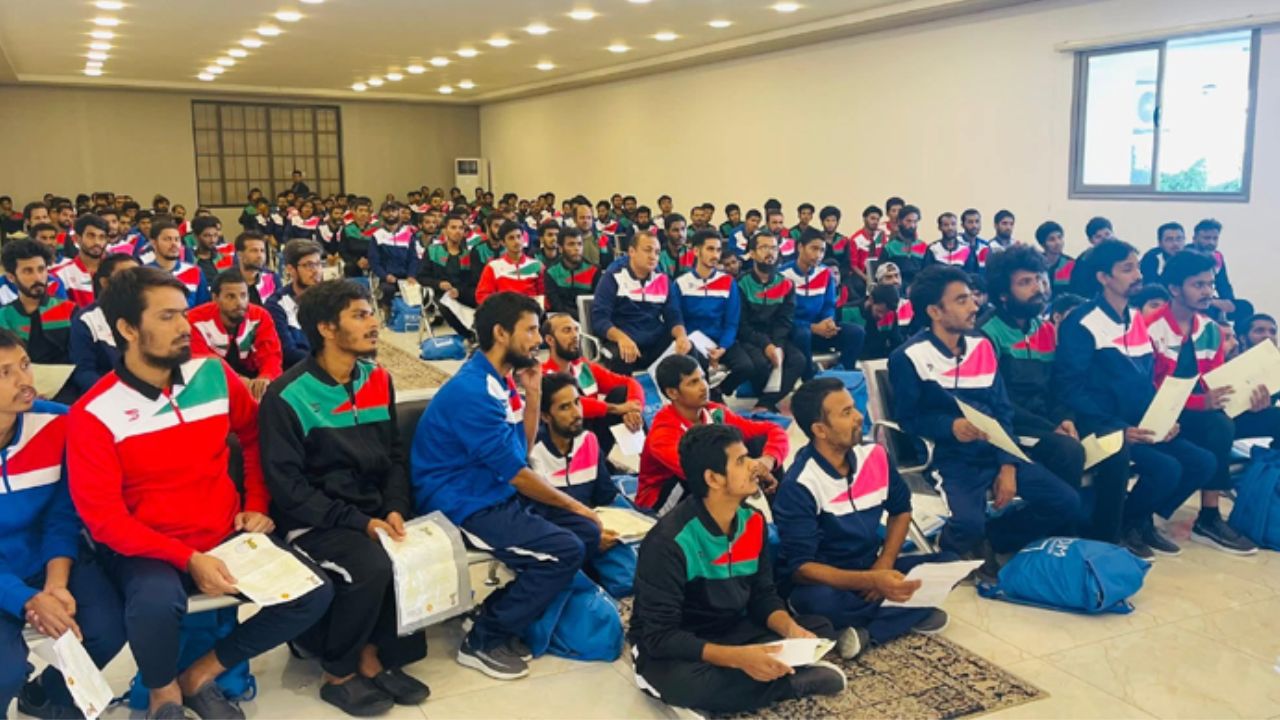

A total of 176 Bangladeshis, who were detained in Libya while attempting to migrate illegally to Europe, have returned home.
They arrived at Hazrat Shahjalal International Airport in Dhaka at 9:45am on Thursday aboard a flight operated by Buraq Air.
According to a statement from the Embassy of Bangladesh in Libya, efforts to repatriate detained Bangladeshi nationals from various detention centres are ongoing in close coordination with local authorities and the International Organisation for Migration (IOM).

As part of that effort, 176 individuals were repatriated from the Tajoura Detention Centre in Tripoli on Wednesday with assistance from the IOM. BAmbassador of Bangladesh to Libya Major General Abul Hasnat Mohammad Khairul Bashar, along with other embassy officials, was present at Libya’s immigration reception centre to bid them farewell.


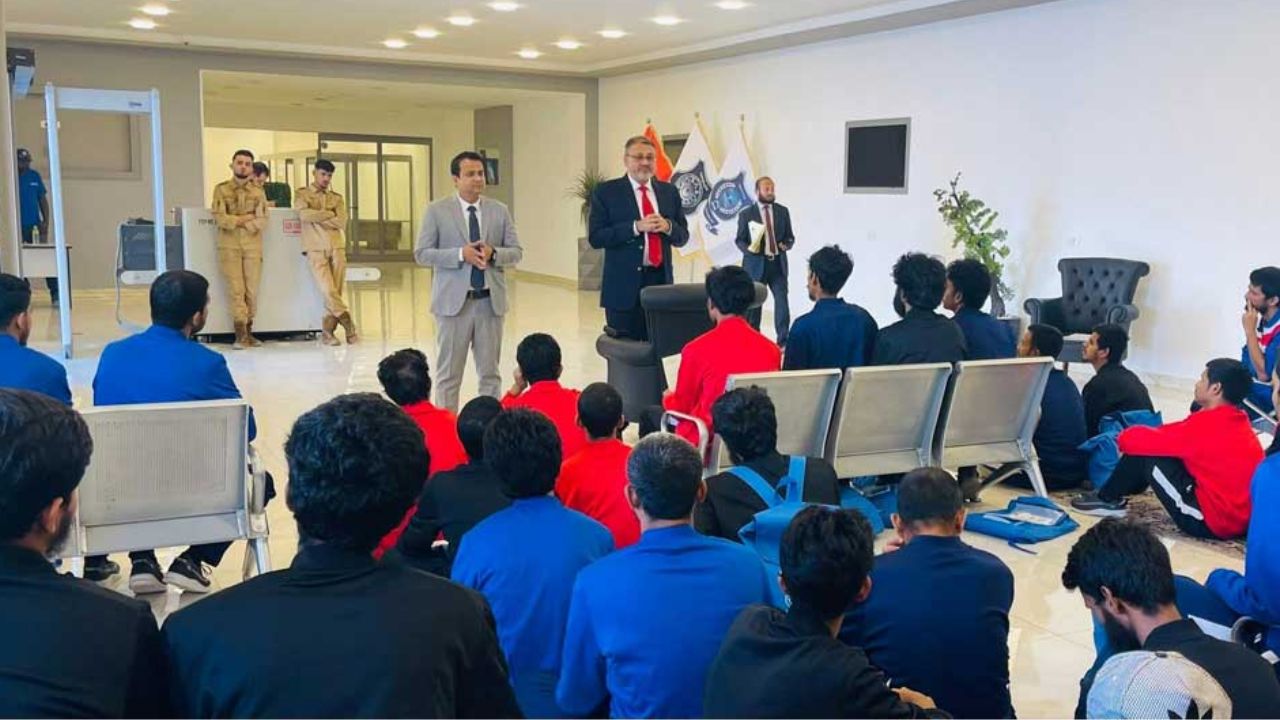
Speaking on the occasion, Ambassador Bashar said, “Irregular migration not only brings financial and physical harm to individuals but also creates suffering for their families and society. Such actions damage the image and reputation of the country.”
He urged the returnees to raise awareness about the risks of illegal migration in their communities and advised victims to cooperate with law enforcement in taking action against human trafficking networks.
“Every citizen is a valuable asset to the country,” the ambassador added. “If our citizens go abroad legally and work with skill and integrity, they can improve not only their own lives but also enhance the country’s reputation.”
Before repatriation, the embassy conducted interviews and verified the identities of the returnees, after which travel permits were issued. Their return was made possible with the necessary approvals from local authorities and the full support of the IOM, the embassy stated.