Human rights group Fortify Rights has reported that at least 140 individuals have died in Malaysian immigration detention centres since the government launched a major enforcement campaign in 2024.
Government data disclosed in parliament this month revealed a significant surge in fatalities following years of escalating arrests and the detention of refugees and migrants.
Based on these disclosures, Fortify Rights calculated that 109 deaths occurred during 2024 and 2025, while an additional 31 people died between 1 January and 30 June 2026.
The rights group linked the fatalities to a historic surge in immigration enforcement, with arrests reaching their highest levels in over a decade in 2025. This has placed immense pressure on already overcrowded facilities, which currently hold 22,045 detainees despite a self-declared capacity of 21,530.

Lynn Htet, a human rights specialist at Fortify Rights, said Malaysia’s immigration depots have become places where people are sent to die and urged the government to investigate whether detainees were denied timely and adequate medical care.
Causes of death cited by the Ministry of Home Affairs included sepsis, leptospirosis, and meningitis, conditions that Fortify Rights noted are often preventable and can be exacerbated by untreated infections, contaminated water, and poor sanitation.



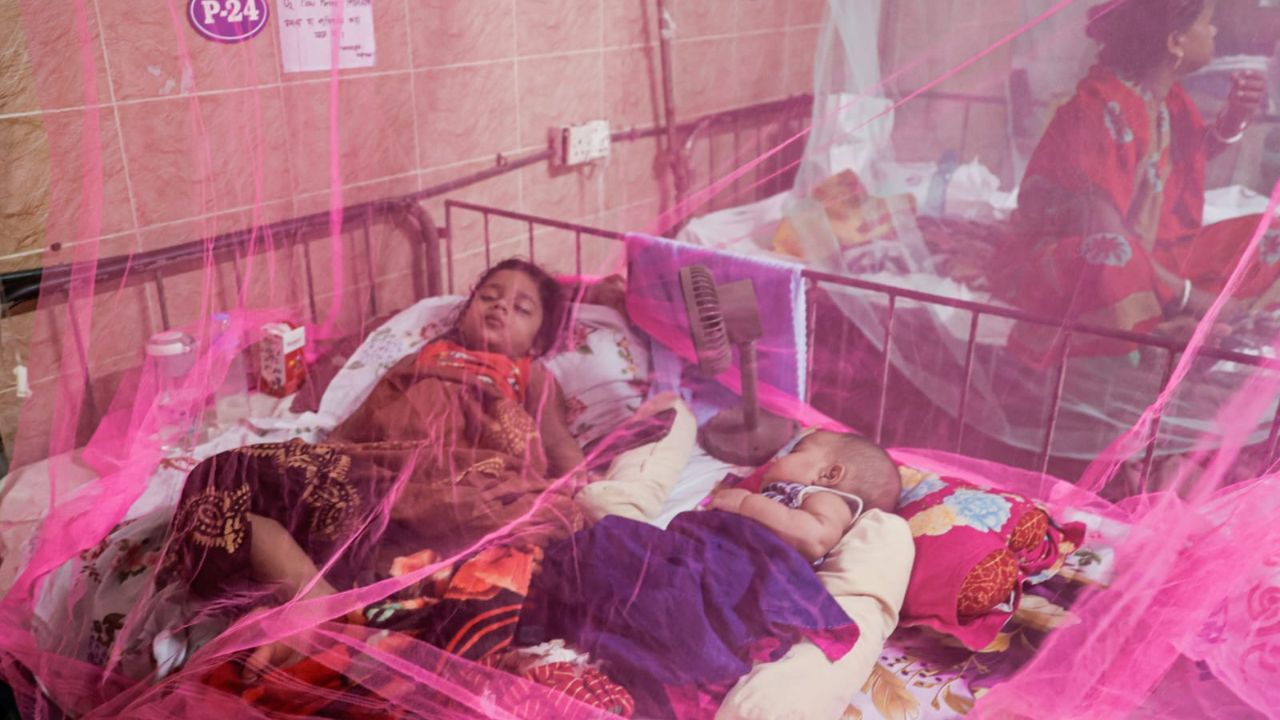
Former detainees have described a system of medical neglect where requests for treatment were frequently ignored or met with punishment. Hussein, a Bangladeshi former detainee, alleged that officers beat individuals who reported feeling sick, only allowing them to see a doctor when they were on the verge of dying.
In instances where medicine was provided, witnesses described it as grossly insufficient, with medical officers often dispensing paracetamol as a one-size-fits-all treatment for varied ailments.
A refugee from Myanmar named Jack recounted an incident in early 2026 where a Thai man appeared to suffer a stroke; however, immigration staff allegedly attempted to push paracetamol tablets into the mouth of the unconscious man before he died the following morning.
Peter Bouckaert, senior director at Fortify Rights, remarked that horrific conditions in the camps are responsible for these needless deaths and that Malaysia has a legal responsibility to treat people in its custody humanely.
Under international law, such as the Nelson Mandela Rules, states are responsible for ensuring that prisoners and detainees enjoy the same standards of healthcare available in the community.
In 2024, Ismail Bakar, the chairperson of the Enforcement Agency Integrity Commission (EAIC), also emphasised that every life is precious and that all possible precautions are needed to prevent deaths in custody.