The 2026 World Cup is already breaking sports gambling records before the knockout stage has even begun, with industry leaders predicting it could become the biggest betting event in history.
The expanded 48-nation, 104-match tournament is expected to far surpass the betting volumes generated by the 2022 edition in Qatar, driven by a more favourable regulatory landscape in the United States, deeper product offerings and market-friendly kick-off times across North America.
Numbers that tell the story
Flutter Entertainment, whose brands include FanDuel, Paddy Power, Betfair and Sky Bet, expects to manage 100,000 bets per minute globally at peak moments during the tournament, with around 10 million customers across its platforms.

“We’re expecting the World Cup to be the biggest betting event of all time given the extended format as well as the benefit of it being partly hosted in our key market, the US,” a Flutter spokesperson said. “Overall, we expect staking to be at least double what we experienced in Qatar.”
Macquarie forecasts total World Cup wagers above $50 billion globally, comfortably beating the $35 billion wagered during the 2022 edition. A key driver is the shifting regulatory environment in the United States, where access to legal betting has risen to 65% of the population, up from around 40% four years ago.
Records broken in the opening week




The United States and Brazil opening matches were FanDuel’s top two football matches ever in terms of active customers. The same two fixtures were also the biggest events in DraftKings’ sportsbook history for both total wagers and active customers.
Greg Karamitis, executive vice president at DraftKings, said the platform had seen “tremendous engagement” compared to Qatar. “We’ve seen a 5x increase in handle compared to the 2022 World Cup,” he said, adding that first-time prediction customers had tripled since the tournament began.
Deutsche Bank projects the US market alone will generate $3.3 billion in handle across the tournament, nearly double projected figures for this year’s Super Bowl.
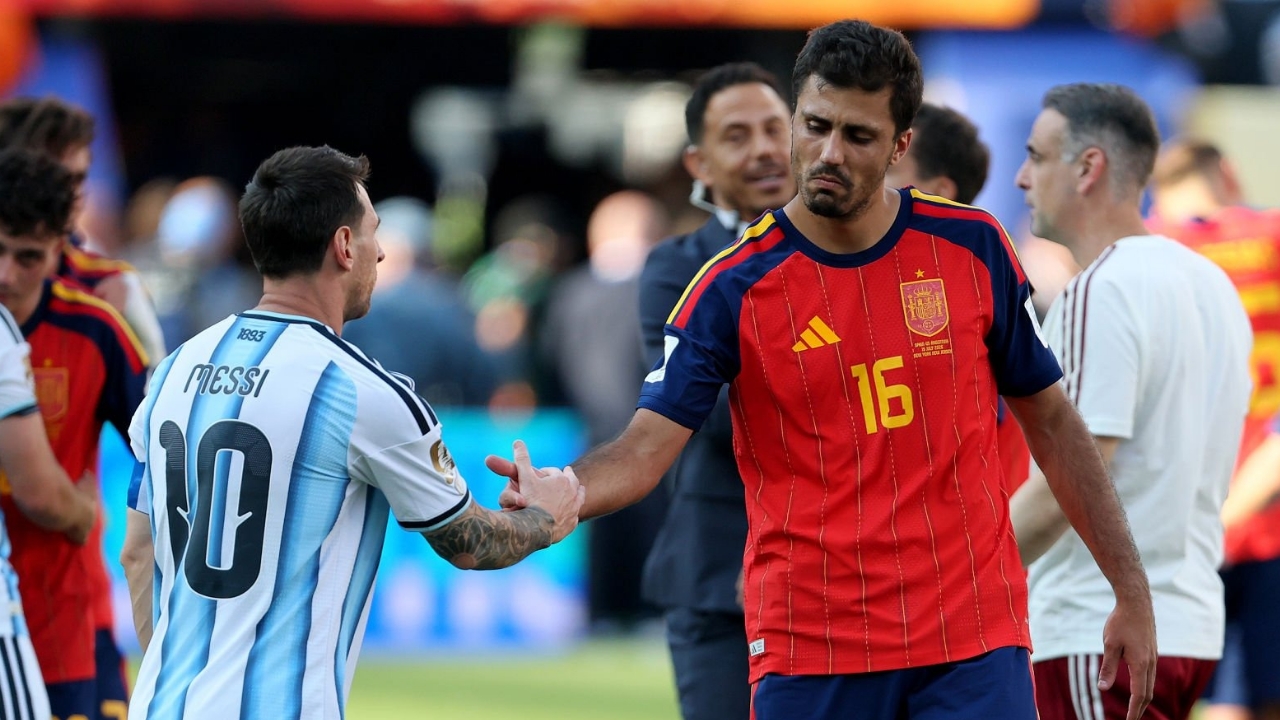
William Hill reported a six-figure payout from Lionel Messi’s first goal and a seven-figure payout in an eight-minute period to customers who backed Mexico to score first in the opening match against South Africa. England’s 4-2 win over Croatia was the bookmaker’s largest single betting event to date.
Bet365, meanwhile, said it had paid out £30 million in the first 11 days of the tournament from substitution-related bets alone, including payouts on Crysencio Summerville for the Netherlands and Marcus Rashford for England.
The longer game
Despite the record engagement, the financial impact on betting firms remains uncertain. Entain Group, whose brands include Ladbrokes, Coral and BetMGM, said it was too early to assess performance, with some surprising results such as Spain’s goalless draw against Cape Verde complicating early returns.
The broader challenge for the industry is converting World Cup excitement into lasting customer loyalty. Macquarie was direct on the point: “The ultimate financial impact will depend on converting these players into repeat, multi-sport bettors.”
For now, the numbers suggest the 2026 World Cup is delivering on its commercial promise. Whether that translates into sustained growth beyond the final whistle remains to be seen.