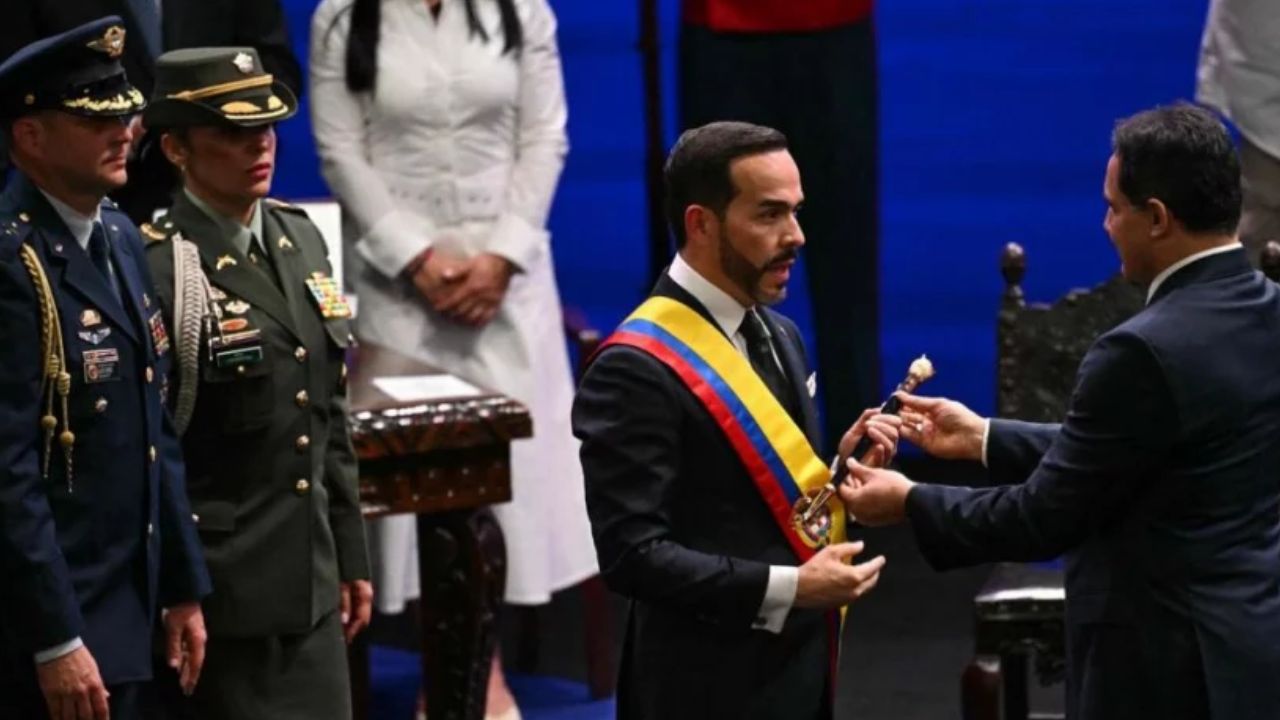
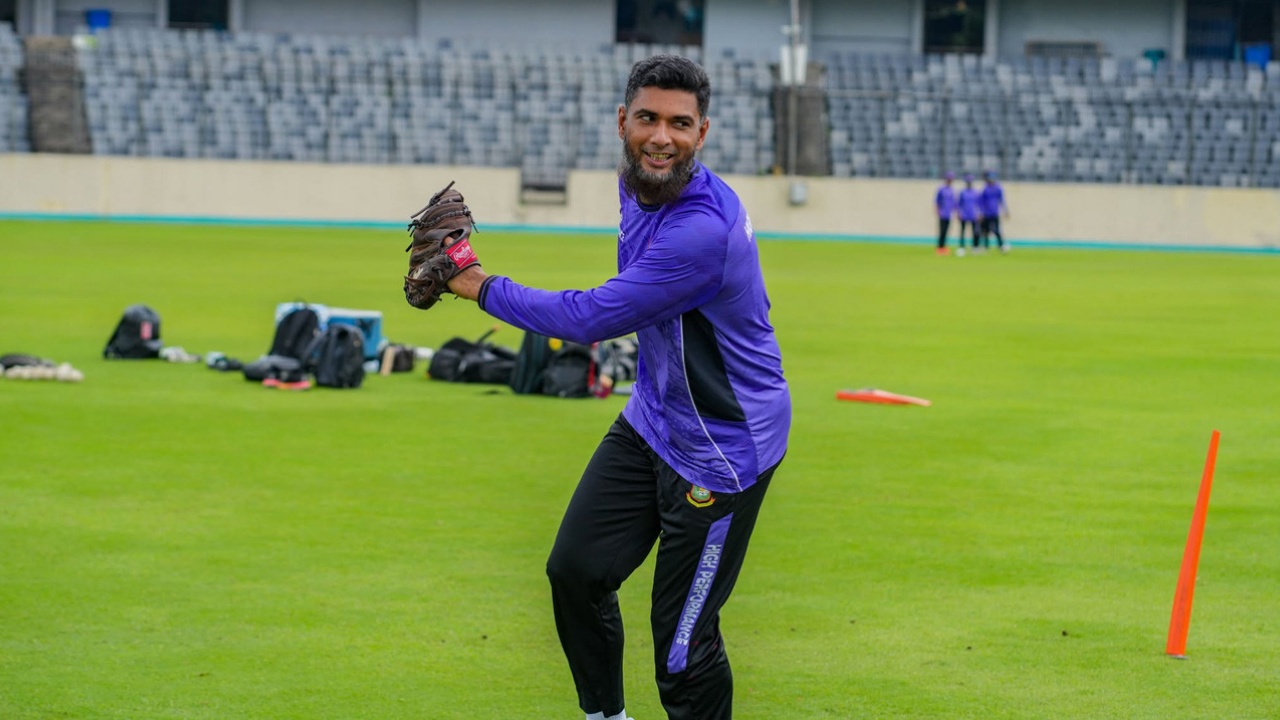


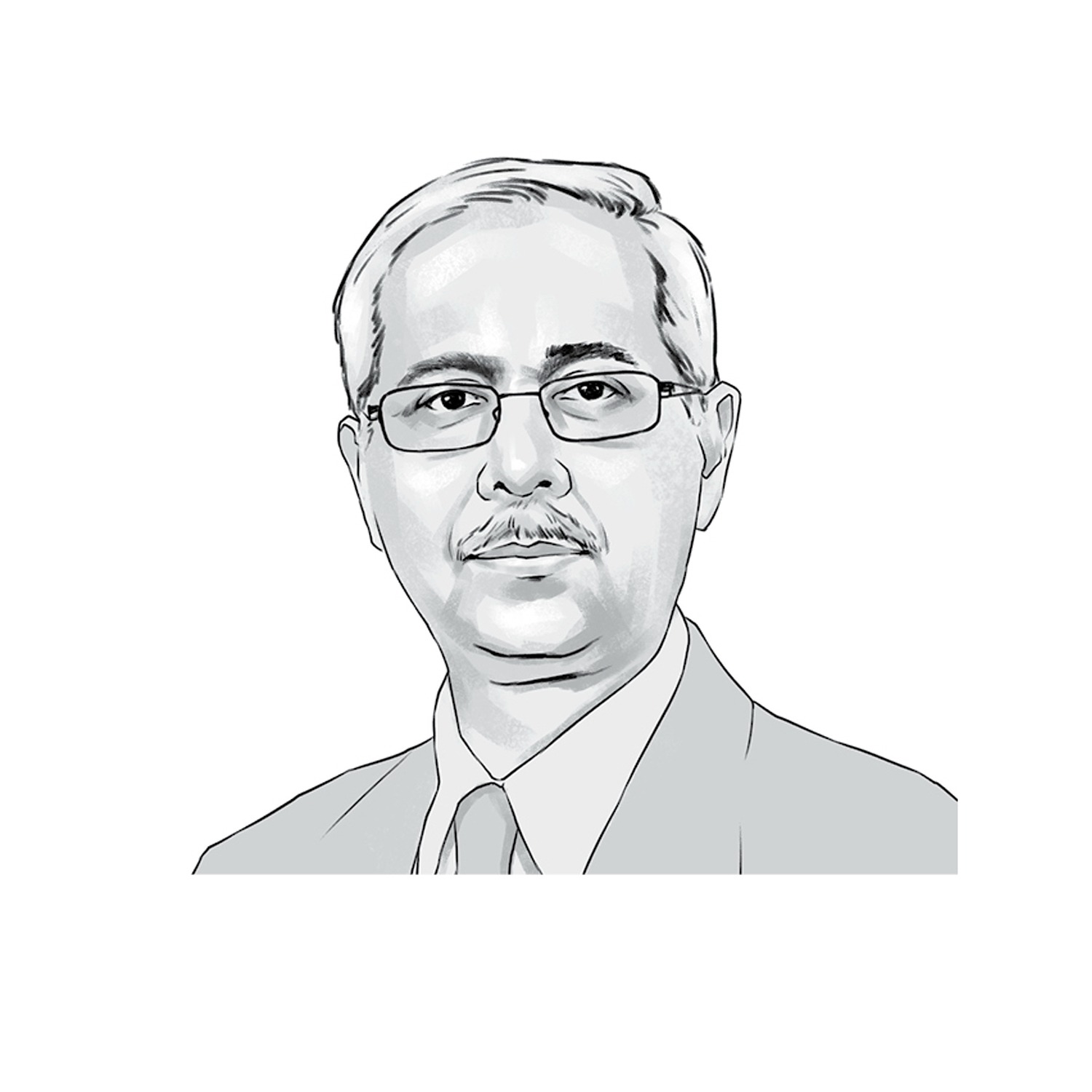

Bangladesh has achieved a major diplomatic milestone. Foreign Minister Dr Khalilur Rahman has been elected President of the 81st Session of the United Nations General Assembly (UNGA), a position widely regarded as one of the most prestigious and coveted in multilateral diplomacy. It is only the second time that Bangladesh has secured this office, the first being forty years ago when the late Humayun Rashid Choudhury presided over the 41st Session of the General Assembly in 1986–87. For Bangladesh, therefore, this is undoubtedly a proud moment. As a Bangladeshi and a former member of the Foreign Service, I share that sense of pride.
Dr Khalilur Rahman’s election was not merely a ceremonial endorsement but the outcome of a competitive contest. He secured 99 votes against the 91 received by his Cypriot rival in a narrowly fought ballot among the UN’s 193 member states. The result shows both his personal credentials and the confidence that a large number of countries have placed in him and, by extension, in Bangladesh.
Some have expressed surprise at the speed and scale of Dr Rahman’s rise. Those who have followed his career more closely, however, are unlikely to be astonished. He has an impeccable academic record and a very rich combination of national and international experience. After serving Bangladesh in the early years of his diplomatic career, he joined the UN system and held several senior positions. Some may attribute part of his success to good fortune. Yet there is little doubt that he has long demonstrated the ambition, preparation and steadfastness necessary for leadership roles of national and global significance. Such achievements rarely occur by accident. They are the product of years of professional investment, tactical placement, networking and demonstrated competence. In that sense, this accomplishment appears less a surprise than the expected culmination of a remarkable career.
Amid the celebration, however, it is important to understand what the presidency of the General Assembly actually entails. The President of the General Assembly is generally compared to the Speaker of a national parliament. The job carries a lot of prestige but has little executive authority. Unlike the Secretary-General, who heads the UN Secretariat and runs the affairs, the President does not have executive power. The office is primarily procedural, facilitative and representative in nature. The President chairs plenary meetings, guides deliberations among member states, facilitates consensus-building, oversees the Assembly’s work programme and represents the General Assembly at international events and high-level meetings.
In recent years, however, the role has evolved beyond only procedure. Successive presidents have sought to expand the relevance of their office by organising thematic debates, informal consultations, multi-stakeholder dialogues, and advocacy initiatives on global issues ranging from climate change and sustainable development to gender equality and digital governance. These initiatives generally avoid contentious political issues and focus on building consensus around broader and less divisive global challenges. Even so, the presidency remains essentially a facilitator rather than a decision-maker.
The office nevertheless enjoys considerable status within the UN system. The President is accorded the rank and protocol privileges associated with one of the highest elected positions in global diplomacy. The President operates from a dedicated Office of the President of the General Assembly (OPGA), supported by professional staff provided by the UN and supplemented by personnel seconded by member states. The office receives logistical, administrative and security support from the UN Secretariat. In short, the President is provided with the institutional resources necessary to discharge the responsibilities of the office effectively.
Historically, this high-profile position was often held by foreign ministers, foreign secretaries, permanent representatives to the UN and other senior diplomats. For much of the UN’s history, the presidency was manageable alongside other professional responsibilities because it functioned largely as a part-time assignment centred on the annual General Assembly session beginning in September. Today, however, the position has evolved into a near full-time responsibility spanning an entire year. The President travels extensively, convenes consultations, attends numerous meetings and represents the Assembly around the world.
It is therefore understandable that questions arose regarding Dr Khalilur Rahman’s ability to simultaneously serve as Bangladesh’s Foreign Minister. He has already clarified that the Hon’ble Prime Minister has agreed to release him for the duration of the presidency. How this arrangement will work in practice remains to be seen, but there can be little doubt that the demands of the office are substantial.
What, then, does this presidency mean for Bangladesh?
First and foremost, it enhances the country’s international image. The election signals that Bangladesh enjoys a considerable degree of trust, credibility and acceptability among the larger UN membership. The outcome projects Bangladesh as an active and constructive participant in multilateral diplomacy. Second, the presidency provides visibility. For one year, Bangladesh’s top diplomat will occupy the chair of the leading platform in international diplomacy. This visibility would certainly strengthen the country’s profile and reinforce its reputation as a responsible stakeholder in global affairs. Third, the presidency creates opportunities to draw international attention to issues of particular importance to Bangladesh and the wider developing world. As has been said earlier, the President cannot dictate the UN agenda, but he can encourage, convene and guide debates. Issues such as climate change, migration, sustainable development, financing for development and the plight of displaced populations, including the Rohingya crisis, are areas where we have both concern and moral standing. Through thematic discussions and dialogue, Dr Rahman may be able to ensure that these concerns receive greater visibility in the international arena.
However, it is equally important not to exaggerate what the office can achieve. The President of the General Assembly cannot deliver special favours for Bangladesh. He cannot direct UN agencies, alter the positions of member states, or secure financial assistance through personal authority. This office belongs to the entire membership of the UN, and its legitimacy depends on the President serving all member states with an even hand.
What our Foreign Minister can do is preside over the UN General Assembly with distinction, contribute to constructive multilateral dialogue, and thereby demonstrate the professionalism and competence of Bangladeshi diplomacy. That alone would be a significant accomplishment.
The election is unquestionably a diplomatic success and a source of national pride. We should celebrate this moment and wish the President-elect every success.

