By Siad Ahmed
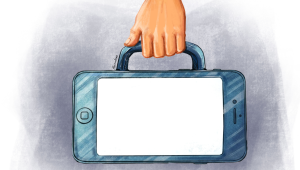
If tea stalls were the adda of the old days, comment sections on Facebook have become the adda of today’s youth.
For as long as there have been teenagers, there has been one shared frustration: no one listens. From hushed conversations behind school benches to whispered debates in playgrounds, every generation has fought to be heard – only to be told they’re too young to understand.
But Gen Z, armed with smartphones and Wi-Fi, has found a way to change the game.

Scroll under any viral post and you’ll find more than just emojis or “first!” comments. You’ll see full-blown debates; facts hurled like grenades and ideologies clashing with pinpoint precision.
“People always dismissed my opinions when we talked about complex issues, but social media comments gave me a place to express myself,” said 17-year-old Mehraj. What began as a space for self-expression has evolved into something bigger. A digital parliament for the unheard voices of a generation.




When an international crisis hits, this generation doesn’t wait for the evening news. They launch awareness campaigns overnight through memes, infographics, posters, flooding timelines with their perspective. Every post becomes a rallying cry, every thread a battleground. False narratives are dismantled in real time; propaganda is mocked until it loses its sting.
Take the July 36 Revolution, now etched into Bangladesh’s political memory. Many argue Gen Z wasn’t just present; they were instrumental. They took to the streets, but their real weapon was the digital megaphone. They broadcast the reality of dictatorship far beyond Bangladesh’s borders, forcing the global media to take notice.
“The Bangladesh government has shut down all internet and network services. We need international media coverage under every post from global outlets,” recalls 19-year-old Sami. He admits his doubts about it having any direct effect but says he can die in peace knowing he tried.
Activism doesn’t stop at our own borders. In Palestine, where thousands of children die and starve each day, these young voices refuse to be silent. Whenever a biased headline or distorted report appears, they dive into the comments armed with evidence and fury. The youth start threads like “#freepalestine” under every post from the official Instagram page “stateofisrael”.
They don’t wear uniforms. They wear hoodies, carry power banks, and wage war against misinformation at the speed of 5G.
But this new battlefield is far from perfect. The same comment sections that empower them can also trap them in digital bubbles. Misinformation spreads as fast as the truth. Harassment, cyberbullying, and mob justice are constant threats. And yes, there are moments when passionate but ill-informed teenagers dive into debates without fully understanding the history.
So, how do we protect this energy without letting it spiral into chaos? We educate. We teach digital literacy as fiercely as we once taught handwriting. Remember to think twice before saying something face-to-face; the distance of the internet can make us cruel. Words typed in a comment box cut just as deep as those spoken aloud.