
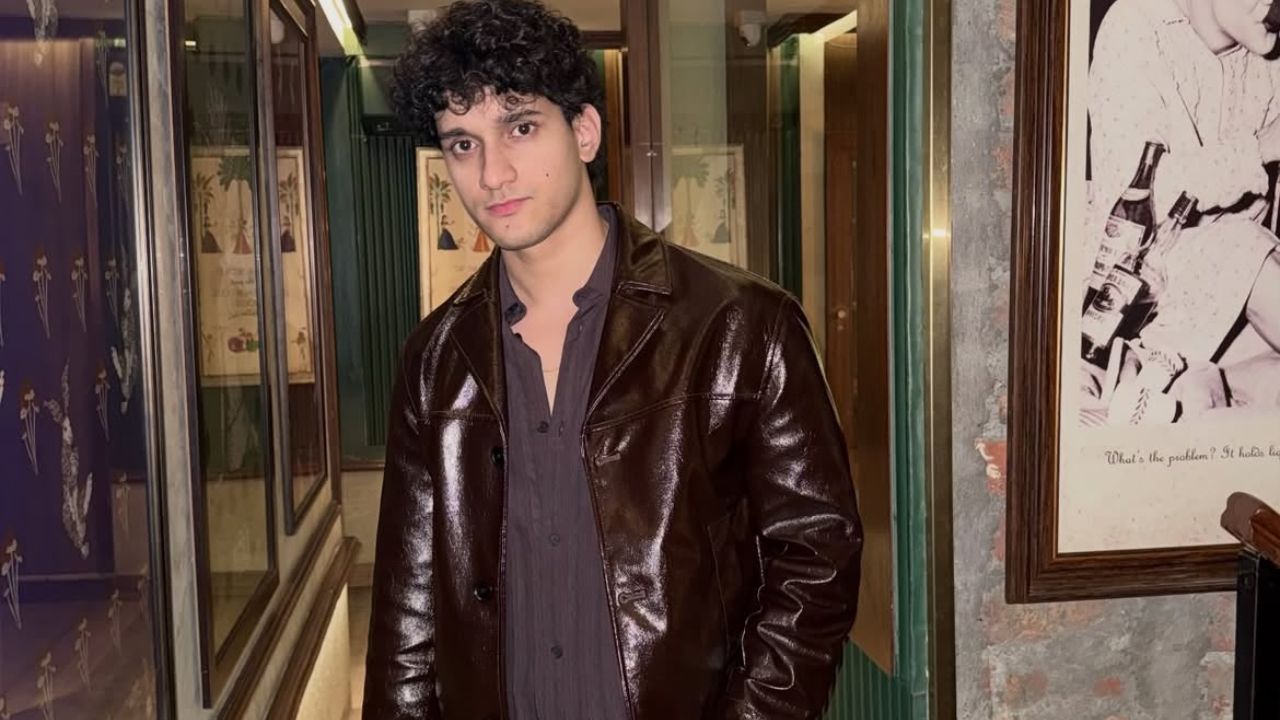



Until a few weeks ago, Saurav Das was largely recognised within journalism and activist circles.
Today, the 28-year-old Chief Spokesperson of the Cockroach Janta Party (CJP) has become one of India’s most talked-about young public figures, with social media users dubbing him the country’s latest “national crush”.
As the youth-led CJP movement gathered momentum through nationwide protests over examination security, employment and government accountability, Das emerged as one of its most prominent voices.
His composed demeanour, sharp wit and satirical yet measured responses during press conferences quickly transformed routine media briefings into viral moments, helping him gain thousands of new followers on Instagram within days.
His popularity surged even further following a widely publicised exchange with actor and BJP MP Kangana Ranaut.
The back-and-forth dominated headlines and social media conversations, with many users praising Das for responding with humour and restraint while criticising what they viewed as personal attacks.
The episode introduced him to a much broader audience beyond those already following the student-led movement.

A journalism background before politics
Long before becoming the public face of a nationwide protest movement, Das had built a career in journalism.
A graduate in Journalism and Mass Communication from Amity University, he worked as an independent investigative journalist based in New Delhi.
His reporting focused primarily on governance, law, crime, the judiciary and public accountability—subjects that would later shape his political activism.




During his university years, Das completed newsroom internships before moving into freelance investigative reporting, where he developed a reputation for covering issues related to transparency and institutional accountability.
A long-standing advocate of the RTI Act
One of the lesser-known aspects of Das’ career is his commitment to the Right to Information (RTI) Act.
According to publicly available profiles, he began filing RTI applications at a young age and used transparency laws to scrutinise public institutions and seek greater governmental accountability.
Much of his investigative work centred on exposing administrative shortcomings and encouraging openness in governance.
His interest in public policy extended beyond journalism.
Das also co-founded the Climate Action Front, reflecting his engagement with environmental advocacy alongside legal and governance issues.
Why his communication resonates
Supporters believe Das’ journalistic background has played a key role in shaping his public communication.
Years spent interviewing officials, analysing government documents and reporting on public policy have translated into concise, fact-based media appearances that resonate with younger audiences.
His ability to simplify complex issues while incorporating humour and satire has helped distinguish him during television debates and press conferences.
From investigative reporter to viral public figure
Today, whether through televised interviews, press briefings or widely shared Instagram clips, Das has become one of the defining faces of the CJP movement.
While supporters admire his courage, communication skills and willingness to challenge political figures, critics continue to question his activism and political positions.
Regardless of differing opinions, his rapid rise has made him one of the country’s most recognisable young public personalities.
For many discovering him only now, Saurav Das may appear to be an overnight internet sensation.
In reality, his journey to the national spotlight has been years in the making—beginning as a journalism student, continuing through freelance investigative reporting and RTI activism, and culminating in his emergence as one of the most visible voices of the CJP movement.