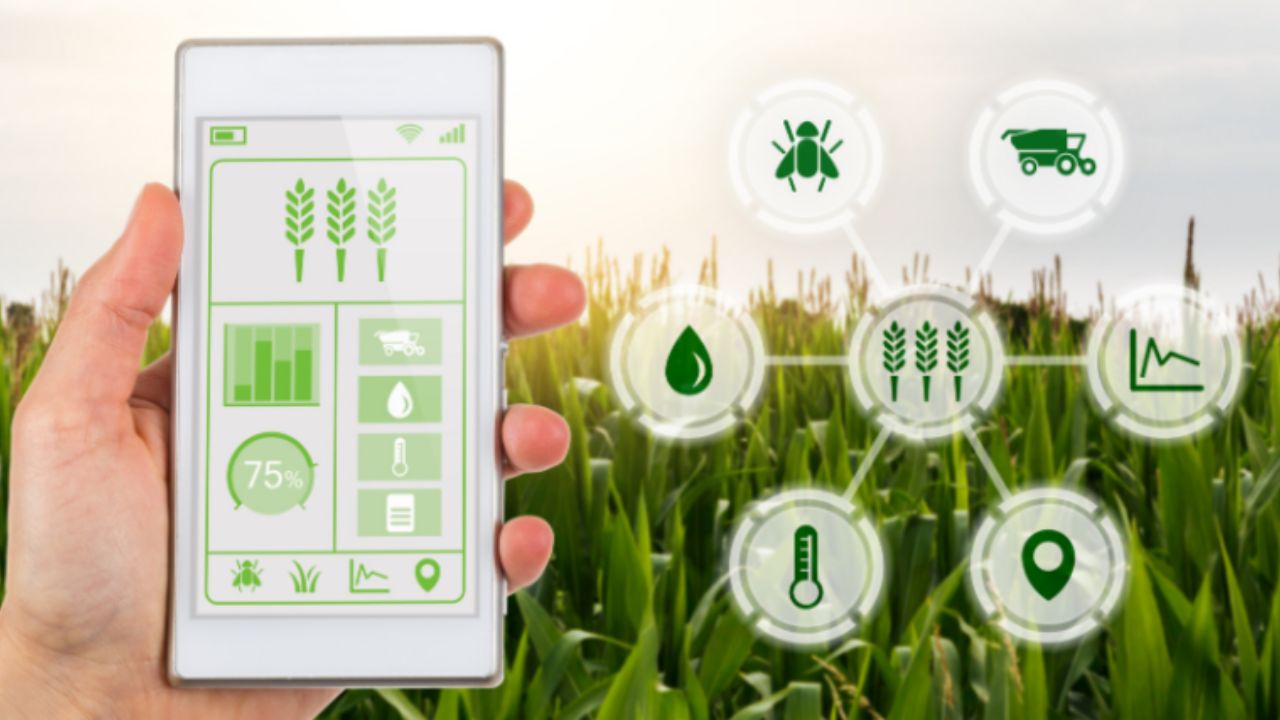



For generations, farming in Bangladesh has been built on experience, local knowledge and personal relationships. Farmers relied on neighbours and traders, using years of observation to decide what to plant, when to act and how to manage risks.
That traditional system is now being supplemented by smartphones.
As digital connectivity expands across rural Bangladesh, farmers are turning to apps for weather updates, agricultural advice, crop management, livestock support and market information, adding a new layer of decision-making to farming practices.
According to the latest Bangladesh Bureau of Statistics data, smartphone ownership has crossed 70 per cent, while 46 per cent of rural households are connected to the internet.
The shift is significant for a sector that contributes around 11 to 12 per cent of GDP and employs more than one-third of Bangladesh’s workforce.
Agri-tech startups, along with government and development initiatives, are helping farmers and rural retailers access agricultural information, financial services and digital tools.

For farmers, the biggest change is access to timely information. Weather forecasts, crop disease alerts, soil information and market prices are helping them make better decisions and reduce production risks.
“Digital tools are not replacing farmers’ traditional knowledge; they are strengthening it,” said Andalib Pranto, an agricultural trainer with an MS in Entomology and a BS in Agriculture from Gazipur Agricultural University.
“When farmers receive timely weather alerts, scientific fertiliser recommendations and expert guidance through digital platforms, they are able to make better decisions, reduce losses and increase productivity,” he said. “Digital adaptation is becoming an essential part of climate-smart agriculture in Bangladesh.”


Different digital platforms are now targeting different needs across the agricultural value chain.
Smart Krishi provides crop selection guidance, soil-based fertiliser recommendations, information on crop varieties, yield potential, crop duration and production technologies.
FOLON delivers agricultural advice, weather information, disaster alerts and crop and livestock-related guidance through smartphones.
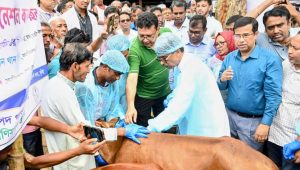
For livestock farmers, Krishi Master offers digital support on animal health management, including disease-related guidance, health monitoring, vaccination information, feed recommendations and expert advice.
The digital transition is also changing rural retail businesses. KriShop helps agricultural input retailers manage inventory, customer records, digital transactions, credit information and ordering processes.
Platforms such as iFarmer Sofol connect farmers with agricultural services, farm support and digital tools to improve farm management, while government-supported services such as e-Krishok, Krishoker Janala and BARI Krishi Projukti Bhandar provide access to agricultural information and technologies.
For Rajshahi livestock farmer Abdul Mannan, digital tools have already become part of daily farm management.
Mannan uses agricultural apps for online training, weather updates, fertiliser recommendations and livestock advice.
“Earlier, I depended mostly on neighbours or local traders for advice,” Mannan said. “Now I receive weather updates before making farming decisions, learn better livestock management techniques through online training and use mobile apps like FOLON, KRI-SHOP and Krishi Master to monitor animal health.”
He said the recommendations have helped improve farm productivity and reduce unnecessary expenses.
Retailers are also benefiting from digital services. Mobile-based ordering systems, digital payments and access to credit facilities are helping them manage inventory more efficiently and serve farmers faster.
Tasks that once required repeated trips to suppliers and markets can now be handled through smartphones, improving access to agricultural inputs.
Digital farming, however, is not replacing traditional knowledge. Instead, technology is becoming a tool that complements farmers’ experience and helps them manage a more complex agricultural environment.
As smartphone use grows in rural Bangladesh, apps are gradually changing how farmers make decisions, manage risks and run agricultural businesses.